Constructing Communities in the Late Roman Countryside » książka

topmenu




Constructing Communities in the Late Roman Countryside
ISBN-13: 9781107011625 / Angielski / Twarda / 2011 / 284 str.
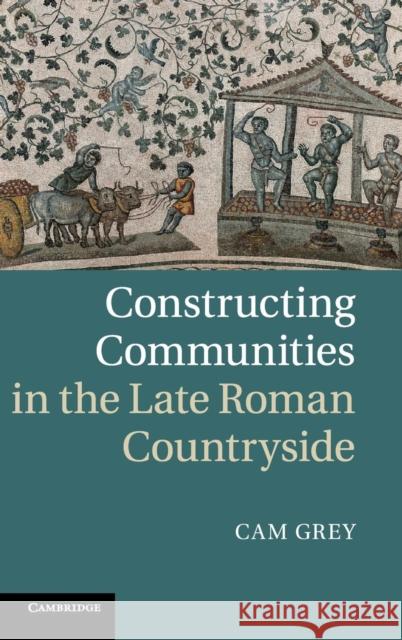
Constructing Communities in the Late Roman Countryside
ISBN-13: 9781107011625 / Angielski / Twarda / 2011 / 284 str.
cena 442,46
(netto: 421,39 VAT: 5%)
Najniższa cena z 30 dni: 362,69
(netto: 421,39 VAT: 5%)
Najniższa cena z 30 dni: 362,69
Termin realizacji zamówienia:
ok. 22 dni roboczych.
ok. 22 dni roboczych.
Darmowa dostawa!
The first comprehensive treatment of the 'small politics' of rural communities in the Late Roman world.




Czytaj nas na:
Zobacz: Księgarnia Czeska | Wydawnictwo Książkowe Klimaty | Mapa strony | Lista autorów
KrainaKsiazek.PL - Księgarnia Internetowa

KrainaKsiazek.PL - Księgarnia Internetowa

