• Wyszukiwanie zaawansowane
  • Kategorie
  • Kategorie BISAC
  • Książki na zamówienie
  • Promocje
  • Granty
  • Książka na prezent
  • Opinie
  • Pomoc
  • Załóż konto
  • Zaloguj się

Climate Change Biology » książka


zaloguj się | załóż konto
Logo Krainaksiazek.pl

koszyk

konto

szukaj
topmenu
Księgarnia internetowa
Szukaj
Książki na zamówienie
Promocje
Granty
Książka na prezent
Moje konto
Pomoc
 
 
Wyszukiwanie zaawansowane
Pusty koszyk
Bezpłatna dostawa dla zamówień powyżej 20 złBezpłatna dostawa dla zamówień powyżej 20 zł

Kategorie główne

• Nauka
 [2946600]
• Literatura piękna
 [1856966]

  więcej...
• Turystyka
 [72221]
• Informatyka
 [151456]
• Komiksy
 [35826]
• Encyklopedie
 [23190]
• Dziecięca
 [619653]
• Hobby
 [140543]
• AudioBooki
 [1577]
• Literatura faktu
 [228355]
• Muzyka CD
 [410]
• Słowniki
 [2874]
• Inne
 [445822]
• Kalendarze
 [1744]
• Podręczniki
 [167141]
• Poradniki
 [482898]
• Religia
 [510455]
• Czasopisma
 [526]
• Sport
 [61590]
• Sztuka
 [243598]
• CD, DVD, Video
 [3423]
• Technologie
 [219201]
• Zdrowie
 [101638]
• Książkowe Klimaty
 [124]
• Zabawki
 [2473]
• Puzzle, gry
 [3898]
• Literatura w języku ukraińskim
 [254]
• Art. papiernicze i szkolne
 [8170]
Kategorie szczegółowe BISAC

Climate Change Biology

ISBN-13: 9780124202184 / Angielski / Miękka / 2014 / 470 str.
Lee Hannah
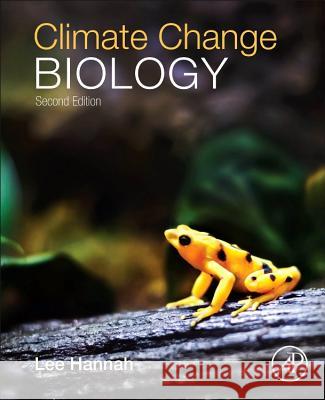
Climate Change Biology Lee Hannah 9780124202184 ACADEMIC PRESS - książkaWidoczna okładka, to zdjęcie poglądowe, a rzeczywista szata graficzna może różnić się od prezentowanej.

Climate Change Biology

ISBN-13: 9780124202184 / Angielski / Miękka / 2014 / 470 str.

Lee Hannah
cena 530,29 zł
(netto: 505,04 VAT:  5%)

Najniższa cena z 30 dni: 526,20 zł
Termin realizacji zamówienia:
ok. 10-14 dni roboczych
Bez gwarancji dostawy przed świętami

Darmowa dostawa!

Climate Change Biology, 2e examines the evolving discipline of human-induced climate change and the resulting shifts in the distributions of species and the timing of biological events. The text focuses on understanding the impacts of human-induced climate change by drawing on multiple lines of evidence, including paleoecology, modeling, and current observation. This revised and updated second edition emphasizes impacts of human adaptation to climate change on nature and greater emphasis on natural processes and cycles and specific elements. With four new chapters, an increased emphasis on tools for critical thinking, and a new glossary and acronym appendix, Climate Change Biology, 2e is the ideal overview of this field.

  • Expanded treatment of processes and cycles
  • Additional exercises and elements to encourage independent and critical thinking
  • Increased on-line supplements including mapping activities and suggested labs and classroom activities.


Kategorie:
Nauka, Biologia i przyroda
Kategorie BISAC:
Science > Global Warming & Climate Change
Science > Earth Sciences - Meteorology & Climatology
Science > Environmental Science (see also Chemistry - Environmental)
Wydawca:
ACADEMIC PRESS
Język:
Angielski
ISBN-13:
9780124202184
Rok wydania:
2014
Wydanie:
Revised
Ilość stron:
470
Waga:
0.95 kg
Wymiary:
23.37 x 18.8 x 2.54
Oprawa:
Miękka
Wolumenów:
01
Dodatkowe informacje:
Glosariusz/słownik

  • Acknowledgments
  • Section 1. Introduction
    • Chapter 1. A New Discipline: Climate Change Biology
      • A Greenhouse Planet
      • Boundaries of Life
      • Shifting Interactions
      • Chemistry of Change
      • Linkages Back to Climate
      • Climate Change Biology
    • Chapter 2. The Climate System and Climate Change
      • The Climate System
      • Evolution of the Earth's Climate
      • Natural Drivers of Change
      • Major Features of Present Climate
      • Stable States of the System
      • Human-Driven Change: Rising CO2
      • Rapid Climate Change
      • The Velocity of Climate Change
      • Modeling the Climate System
      • Regional Climate Models
      • Commonly Used GCMs
      • Emissions Pathways
      • GCM Outputs
      • Biological Assessments with Downscaled Data
  • Section 2. The Impacts of Human Induced Climate Change
    • Chapter 3. Species Range Shifts
      • First Sign of Change: Coral Bleaching
      • First Changes on Land
      • Mounting Evidence of Range Shifts
      • Patterns within the Patterns
      • Extinctions
      • Freshwater Changes
      • Pests and Pathogens
    • Chapter 4. Phenology: Changes in Timing of Biological Events Due to Climate Change
      • Arrival of Spring
      • Freshwater Systems
      • Spring Ahead, Fall Behind
      • Tropical Forest Phenology
      • Marine Systems
      • Mechanisms: Temperature and Photoperiod
      • Life-Cycles of Insect Herbivores
      • Timing Mismatches Between Species
    • Chapter 5. Ecosystem Change
      • Tropical Ecosystem Changes
      • Cloud Forests
      • Temperate Ecosystem Change
      • High Mountain Ecosystems
      • Glacier and Snowpack-Dependent Ecosystems
      • Polar and Marine Systems
      • Polar Food Webs: Changes in the Southern Ocean
      • Tropical Marine Systems
      • Pelagic Marine Systems
      • Ocean Acidification
      • Ecosystem Feedbacks to Climate System
  • Section 3. Lessons from the Past
    • Chapter 6. Past Terrestrial Response
      • Scope of Change
      • The Earth Moves
      • Climate Runs Through It
      • Fast and Far: The Record of the Ice Ages
      • Ice Racing in North America and Europe
      • Out of Land: The Southern Temperate Response
      • North Meets South
      • Rapid Change: The Younger Dryas
      • Tropical Responses
      • Milankovitch Forcing in the Biological Record
      • Lessons of Past Change
    • Chapter 7. Past Marine Ecosystem Changes
      • Effects of Temperature Change
      • Effects of Sea-Level Change
      • Changes in Ocean Circulation
      • Changes in Ocean Chemistry
    • Chapter 8. Past Freshwater Changes
      • Lakes as Windows to Past Climate
      • Types of Freshwater Alteration with Climate
      • Freshwater Biotas, Habitats, and Food Chains
      • Deep Time: Pace of Evolution and Species Accumulation
      • Recent-Time (Tertiary and Pleistocene) Records of Change
      • Fast Forward
    • Chapter 9. Extinctions
      • The Five Major Mass Extinctions
      • Causes of Extinction Events
      • Climate as the Common Factor in Major Extinctions
      • Impacts and Climate
      • Does Climate Change Always Cause Extinction?
      • Climate and Extinctions in Deep Time
      • The Past 100 Million Years
      • The Past 2 Million Years: Extinction at the Dawn of the Ice Ages and the Pleistocene Extinctions
      • The Missing Ice Age Extinctions
      • Patterns in the Losses
  • Section 4. Looking to the Future
    • Chapter 10. Insights from Experimentation
      • Theory
      • Laboratory and Greenhouse Experiments
      • Field Experiments
      • Results of Whole-Vegetation Experiments
      • Results of Field CO2 Experiments
      • Freshwater Experiments
      • Arctic Experiments
    • Chapter 11. Modeling Species and Ecosystem Response
      • Types of Models
      • Dynamic Global Vegetation Models
      • Species Distribution Models
      • Gap Models
      • Modeling Aquatic Systems
      • Earth System Models
    • Chapter 12. Estimating Extinction Risk from Climate Change
      • Evidence from the Past
      • Estimates from Species Distribution Modeling
      • Species-Area Relationship
      • A Question of Dispersal
      • The Problem with Endemics
      • Checking the Estimates
      • Not Just about Polar Bears Anymore
      • Are a Million Species at Risk?
      • Why the Future May Not Be Like the Past
    • Chapter 13. Ecosystem Services
      • Food Provision-Marine Fisheries
      • Water Provisioning
      • Carbon Sequestration
      • Fire
      • Tourism
      • Ecosystem-Based Adaptation
      • Coastal Protection
      • Water Supply
      • Food Production
      • Disaster Risk Reduction
  • Section 5. Implications for Conservation
    • Chapter 14. Adaptation of Conservation Strategies
      • Early Concepts of Protected Areas and Climate Change
      • Protected Area Planning
      • Planning for Persistence
      • Resistance and Resilience
      • Protected-Area Management
      • Marine Protected Areas
      • Protected Areas for Climate Change
    • Chapter 15. Connectivity and Landscape Management
      • Area-Demanding Species
      • Migratory Species
      • Species Range Shifts
      • Planning for Connectivity
      • Managing Connectivity in Human-Dominated Landscapes
      • Planning for Climate "Blowback”
      • Regional Coordination
      • Monitoring
    • Chapter 16. Species Management
      • Threatened Species
      • Climate Change Impacts on Threatened Species
      • Species Threatened by Climate Change
      • Assessing Species Threatened by Climate Change
      • An Iconic Example
      • Managing Species Threatened by Climate Change
      • Resources for the Job
  • Section 6. Finding Solutions: International Policy and Action
    • Chapter 17. International Climate Policy
      • United Nations Framework Convention on Climate Change
      • Intergovernmental Panel on Climate Change
      • Carbon Markets
      • Reduced Emissions from Deforestation and Degradation
      • Adaptation
      • Why Doesn't It Work?
    • Chapter 18. Mitigation: Reducing Greenhouse Gas Emissions, Sinks, and Solutions
      • Stabilizing Atmospheric Greenhouse Gas Concentrations
      • Practical Steps for the Next 50years
      • Energy Efficiency
      • Renewable Energy Sources
      • Nuclear Power
      • The End of Oil
      • Clean Coal?
      • Tar Sands, Oil Shales and Fracking
      • Geoengineering
      • Extinction Risk from Climate Change Solutions
      • Land Use Requirements of Alternate Energy
      • Short-term Wedges and Long-term Pathways
    • Chapter 19. Carbon Sinks and Sources
      • The Carbon Cycle
      • Slow Carbon
      • Fast Carbon
      • Ocean Carbon Cycle
      • Terrestrial Carbon Cycle
      • Human Influence on the Carbon Cycle
      • Recent Trends in Terrestrial Sources and Sinks
      • Carbon Cycle and Carbon Sequestration
      • Getting CO2 Back
    • Chapter 20. Assessing Risks, Designing Solutions
      • Impacts, Risks, and Adaptation
      • The Assessment Process
      • Domain and Grain
      • Biological Assessment
      • Stand-Alone Biological Assessment
      • Design of Adaptation Solutions
      • Two Examples of Adaptation Solutions
      • And Do It Again
  • References
  • Index

Hannah, Lee
Lee Hannah is Senior Researcher in Climate Change Biology at the Betty and Gordon Moore Center for Science and Oceans at Conservation International (CI). Tracking with his interest in the role of climate change in conservation planning and methods of corridor design, he heads CI's efforts to develop conservation responses to climate change. He works collaboratively with the Bren School at UC Santa Barbara to model climate impacts on species in California, and with the National Botanical Institute in Cape Town, South Africa to model biotic change resulting from global warming in biodiversity hot spots in that region. He has written on the global extent of wilderness and the role of communities in the management of protected areas.


Udostępnij

Facebook - konto krainaksiazek.pl


Opinie o Krainaksiazek.pl na Opineo.pl

Partner Mybenefit

Krainaksiazek.pl w programie rzetelna firma Krainaksiaze.pl - płatności przez paypal

Czytaj nas na:

Facebook - krainaksiazek.pl
  • książki na zamówienie
  • granty
  • książka na prezent
  • kontakt
  • pomoc
  • opinie
  • regulamin
  • polityka prywatności

Zobacz:

  • Księgarnia czeska

  • Wydawnictwo Książkowe Klimaty

1997-2025 DolnySlask.com Agencja Internetowa

© 1997-2022 krainaksiazek.pl
     
KONTAKT | REGULAMIN | POLITYKA PRYWATNOŚCI | USTAWIENIA PRYWATNOŚCI
Zobacz: Księgarnia Czeska | Wydawnictwo Książkowe Klimaty | Mapa strony | Lista autorów
KrainaKsiazek.PL - Księgarnia Internetowa

Polityka prywatnosci - link
Krainaksiazek.pl - płatnośc Przelewy24
Przechowalnia Przechowalnia






