• Wyszukiwanie zaawansowane
  • Kategorie
  • Kategorie BISAC
  • Książki na zamówienie
  • Promocje
  • Granty
  • Książka na prezent
  • Opinie
  • Pomoc
  • Załóż konto
  • Zaloguj się

Chronic Wound Management: The Significance of Evidence and Technology » książka


zaloguj się | załóż konto
Logo Krainaksiazek.pl

koszyk

konto

szukaj
topmenu
Księgarnia internetowa
Szukaj
Książki na zamówienie
Promocje
Granty
Książka na prezent
Moje konto
Pomoc
 
 
Wyszukiwanie zaawansowane
Pusty koszyk
Bezpłatna dostawa dla zamówień powyżej 20 złBezpłatna dostawa dla zamówień powyżej 20 zł

Kategorie główne

• Nauka
 [2950560]
• Literatura piękna
 [1849509]

  więcej...
• Turystyka
 [71097]
• Informatyka
 [151150]
• Komiksy
 [35848]
• Encyklopedie
 [23178]
• Dziecięca
 [617388]
• Hobby
 [139064]
• AudioBooki
 [1657]
• Literatura faktu
 [228597]
• Muzyka CD
 [383]
• Słowniki
 [2855]
• Inne
 [445295]
• Kalendarze
 [1464]
• Podręczniki
 [167547]
• Poradniki
 [480102]
• Religia
 [510749]
• Czasopisma
 [516]
• Sport
 [61293]
• Sztuka
 [243352]
• CD, DVD, Video
 [3414]
• Technologie
 [219456]
• Zdrowie
 [101002]
• Książkowe Klimaty
 [124]
• Zabawki
 [2311]
• Puzzle, gry
 [3459]
• Literatura w języku ukraińskim
 [254]
• Art. papiernicze i szkolne
 [8079]
Kategorie szczegółowe BISAC

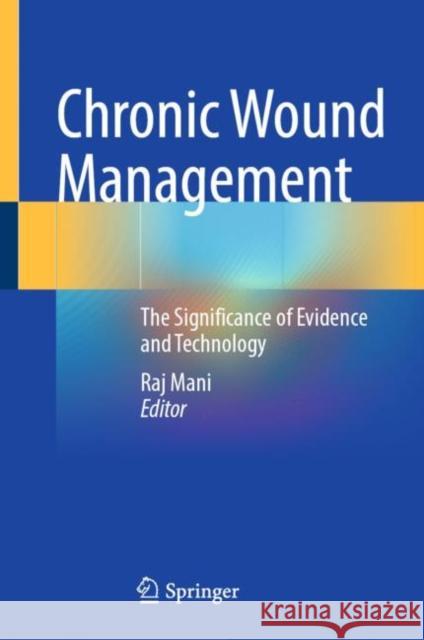
Chronic Wound Management: The Significance of Evidence and Technology

ISBN-13: 9783031261091 / Angielski / Twarda / 2023
Raj Mani
Chronic Wound Management: The Significance of Evidence and Technology Raj Mani 9783031261091 Springer - książkaWidoczna okładka, to zdjęcie poglądowe, a rzeczywista szata graficzna może różnić się od prezentowanej.

Chronic Wound Management: The Significance of Evidence and Technology

ISBN-13: 9783031261091 / Angielski / Twarda / 2023

Raj Mani
cena 563,56
(netto: 536,72 VAT:  5%)

Najniższa cena z 30 dni: 539,74
Termin realizacji zamówienia:
ok. 22 dni roboczych
Dostawa w 2026 r.

Darmowa dostawa!
inne wydania

This book describes how chronic wounds follow a completely different healing trajectory to acute wounds and discusses the factors associated with these poor healing trajectories. These factors include age, chronic inflammation, phenotypic changes in such cells as macrophages, fibroblasts, and keratinocytes, colder, alkaline wound milieu, wound related hypoxemia, and diabetes. Other factors implicated include reperfusion injury, poor patient compliance, presence of undiagnosed and therefore unmanaged biofilms and wound pain.The past decades have yielded reliable evidence-based guidelines and standardized care, but the healing of diabetic foot wounds continues to be unpredictable notwithstanding these advances, while the recurrence rates are also high. The benefits of technology in wound diagnosis are evidence-based and the use of this technology also features in guidelines.  However, the same argument cannot be extended to adjuvant devices to facilitate wound closure even though many devices potentially benefit wound healing.Chronic Wound Managementdescribes how innovation is based on technology that itself informs evidence, the gap between the evidence available, the performance of technology and how do we bridge this gap. It reviews the lessons learnt from the COVID-19 pandemic and whether traditional medicine systems offer us real or imaginary benefits. Consequently, this book is an important addition to the literature in the area and an essential read for all healthcare professionals working with these patients.

This book describes how chronic wounds follow a completely different healing trajectory to acute wounds and discusses the factors associated with these poor healing trajectories. These factors include age, chronic inflammation, phenotypic changes in such cells as macrophages, fibroblasts, and keratinocytes, colder, alkaline wound milieu, wound related hypoxemia, and diabetes. Other factors implicated include reperfusion injury, poor patient compliance, presence of undiagnosed and therefore unmanaged biofilms and wound pain.



The past decades have yielded reliable evidence-based guidelines and standardized care, but the healing of diabetic foot wounds continues to be unpredictable notwithstanding these advances, while the recurrence rates are also high. The benefits of technology in wound diagnosis are evidence-based and the use of this technology also features in guidelines.  However, the same argument cannot be extended to adjuvant devices to facilitate wound closure even though many devices potentially benefit wound healing.  

Chronic Wound Management describes how innovation is based on technology that itself informs evidence, the gap between the evidence available, the performance of technology and how do we bridge this gap. It reviews the lessons learnt from the COVID-19 pandemic and whether traditional medicine systems offer us real or imaginary benefits. Consequently, this book is an important addition to the literature in the area and an essential read for all healthcare professionals working with these patients.

Kategorie:
Nauka, Medycyna
Kategorie BISAC:
Medical > Dermatologia
Wydawca:
Springer
Język:
Angielski
ISBN-13:
9783031261091
Rok wydania:
2023
Wydanie:
2023
Oprawa:
Twarda
Wolumenów:
01

Foreword.- Introduction.- The role of technology in managing vascular wounds.- The diabetic foot its complications and the mantra for change.- Adjuvants in wound care: Biologic transducers in wound healing.- Adjuvants in wound care: Physical, Electromagnetic, biologic devices.- Role of plant products in wound healing.- Pressure ulcers.- Atypical wounds and wounds resulting from Infection.- Biofilms and impaired wound healing.- Update on technology and evidence-based management of scars.- Surgical Flaps in wound healing.- Wound imaging.- Translation of wound devices into practice.- Chronic wound pain.

Raj Mani has substantial experience in research and clinical management of chronic wounds; his early work was focused on perfusion and tissue oxygenation which contributed initially to the diagnosis and subsequently to the management of wounds. This work interfaced first with developments in other centers and then with the Cochrane Wounds Group, which led to the establishment of a sound literature-base to mark the start of evidence based wound management. In recent years, he with international peers drew up guidelines for optimizing the use of technology in wound management. This book will address existing gaps in management and discuss probable causes and offer remedies for such gaps.

Dr Mani has contributed to the advancement of wound management through publications in journals, book chapters and books: Raj also initiated the publication of a journal - the International Journal of Lower Extremity Wounds (IJLEW) - of which he was the Editor-in-Chief till 2018. IJLEW which was followed by another couple of journals (also from the UK) and books in this field formed a platform from which better clinical management and research from practice developed. This benefited practitioners (Tissue Viability Nurses, Podiatrists, doctors-in-training) as well as Specialists.

Dr Mani worked mostly from the UK though his contributions have been recognized in Asia including China as well as in Europe and USA (through activities of professional societies.

This book describes how chronic wounds follow a completely different healing trajectory to acute wounds and discusses the factors associated with these poor healing trajectories. These factors include age, chronic inflammation, phenotypic changes in such cells as macrophages, fibroblasts, and keratinocytes, colder, alkaline wound milieu, wound related hypoxemia, and diabetes. Other factors implicated include reperfusion injury, poor patient compliance, presence of undiagnosed and therefore unmanaged biofilms and wound pain.


The past decades have yielded reliable evidence-based guidelines and standardized care, but the healing of diabetic foot wounds continues to be unpredictable notwithstanding these advances, while the recurrence rates are also high. The benefits of technology in wound diagnosis are evidence-based and the use of this technology also features in guidelines.  However, the same argument cannot be extended to adjuvant devices to facilitate wound closure even though many devices potentially benefit wound healing.  

Chronic Wound Management describes how innovation is based on technology that itself informs evidence, the gap between the evidence available, the performance of technology and how do we bridge this gap. It reviews the lessons learnt from the COVID-19 pandemic and whether traditional medicine systems offer us real or imaginary benefits. Consequently, this book is an important addition to the literature in the area and an essential read for all healthcare professionals working with these patients.


Udostępnij

Facebook - konto krainaksiazek.pl


Opinie o Krainaksiazek.pl na Opineo.pl

Partner Mybenefit

Krainaksiazek.pl w programie rzetelna firma Krainaksiaze.pl - płatności przez paypal

Czytaj nas na:

Facebook - krainaksiazek.pl
  • książki na zamówienie
  • granty
  • książka na prezent
  • kontakt
  • pomoc
  • opinie
  • regulamin
  • polityka prywatności

Zobacz:

  • Księgarnia czeska

  • Wydawnictwo Książkowe Klimaty

1997-2025 DolnySlask.com Agencja Internetowa

© 1997-2022 krainaksiazek.pl
     
KONTAKT | REGULAMIN | POLITYKA PRYWATNOŚCI | USTAWIENIA PRYWATNOŚCI
Zobacz: Księgarnia Czeska | Wydawnictwo Książkowe Klimaty | Mapa strony | Lista autorów
KrainaKsiazek.PL - Księgarnia Internetowa

Polityka prywatnosci - link
Krainaksiazek.pl - płatnośc Przelewy24
Przechowalnia Przechowalnia




