Chinese Male Homosexualities: Memba, Tongzhi and Golden Boy » książka





Chinese Male Homosexualities: Memba, Tongzhi and Golden Boy
ISBN-13: 9780415451895 / Angielski / Twarda / 2010 / 320 str.
Chinese Male Homosexualities: Memba, Tongzhi and Golden Boy
ISBN-13: 9780415451895 / Angielski / Twarda / 2010 / 320 str.
(netto: 715,64 VAT: 5%)
Najniższa cena z 30 dni: 730,42
ok. 22 dni roboczych
Bez gwarancji dostawy przed świętami
Darmowa dostawa!
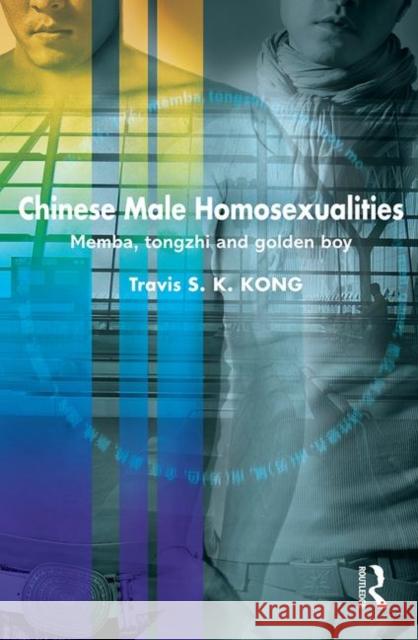
This book presents a groundbreaking exploration of masculinities and homosexualities amongst Chinese gay men. It provides a sociological account of masculinity, desire, sexuality, identity and citizenship in contemporary Chinese societies, and within the constellation of global culture. Kong reports the results of an extensive ethnographic study of contemporary Chinese gay men in a wide range of different locations including mainland China, Hong Kong and the Chinese overseas community in London, showing how Chinese gay men live their everyday lives. Relating Chinese male homosexuality to the extensive social and cultural theories on gender, sexuality and the body, postcolonialism and globalisation, the book examines the idea of queer space and numerous 'queer flows' - of capital, bodies, ideas, images, and commodities - around the world. The book concludes that different gay male identities - such as the conspicuously consuming memba in Hong Kong, the urban tongzhi, the 'money boy' in China and the feminised 'golden boy' in London - emerge in different locations, and are all caught up in the transnational flow of queer cultures which are at once local and global.
This book presents a rich exploration of masculinities and homosexualities in China. It provides an historical account of sexuality and masculinity from ancient China onwards; reports the results of an extensive ethnographic survey of contemporary Chinese gay men from a wide range of different locations in China, showing how they live their everyday lives; relates homosexuality in China to the extensive social and cultural theories on gender, sexuality and the body, looking especially at the idea of "queer space" and how this is developed in China, and also to theories of postcolonialism and globalisation; and includes a textual analysis of queer culture. The book concludes that divergent and contradictory pictures of modern Chinese masculinities – such as "memba", "tongzhi" and "golden boy" - emerge in different locations, these being hybridized identities emerging from the coexistence of universalised rhetoric and styles and indigenous Chinese cultural and social traditions.




Czytaj nas na:
KrainaKsiazek.PL - Księgarnia Internetowa


