Chemistry of Antibiotics and Related Drugs » książka





Chemistry of Antibiotics and Related Drugs
ISBN-13: 9783031075810 / Angielski / Twarda / 2022
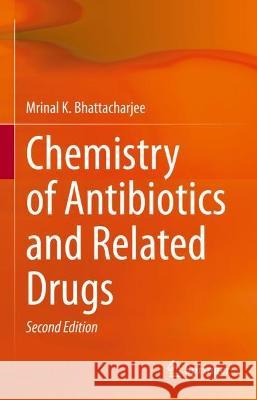
Chemistry of Antibiotics and Related Drugs
ISBN-13: 9783031075810 / Angielski / Twarda / 2022
(netto: 191,66 VAT: 5%)
Najniższa cena z 30 dni: 192,74
ok. 16-18 dni roboczych.
Darmowa dostawa!
This textbook builds on the success of the earlier edition, offering alternative strategies for discovering new antibiotics. It discusses how the various types of antibiotics and related drugs work to cure infections. Then it delves into the very serious matter of how bacteria are becoming resistant to these antibiotics. It also covers the global action plan on antimicrobial resistance from the World Health Organization and discusses several Antibiotic Stewardship Programs adopted by agencies at local levels.Appropriate for a one-semester course at either the graduate or advanced undergraduate level, the book is self-contained and written in accessible language. It includes all necessary background biochemistry material and a discussion of the latest developments in the field of antibiotics. Original research works are frequently cited and experimental procedures and interpretation of results are emphasized.
Chemistry of Antibiotics and Related Drugs
Contents:
1 Introduction
1.1 Definition of antibiotics
1.2 History of antibiotics
1.3 The ideal antibiotic
1.4 Sources of antibiotics
1.5 Discovery of modern antibiotics
1.6 Classification of Antibiotics
1.7 Background Biochemistry information
1.7.1 Enzymes
1.7.2 Enzyme inhibitors
1.7.3 Enzyme mechanisms
1.7.4 Metabolism and metabolic pathways
1.7.5 Thermodynamics of metabolic pathways
1.7.6 High energy compounds
1.7.7 Metabolically irreversible and near equilibrium reactions
1.7.8 Membrane transport
2 Development of resistance to antibiotics
2.1 Antibiotics no longer considered to be miracle drugs
2.2 Detection of antibiotic resistance
2.3 Classification of antibiotic resistance
2.4 Resistance development by point mutations
2.5 Selection for resistance
2.6 Resistance development by resistance gene acquisition
2.7 Mechanism of antimicrobial resistance
2.8 Synthetic antibiotics
2.9 Alternative approaches for studying antibiotics
2.10 Antibiotic use in animals2.10.1 Therapeutic use
2.10.2 Subtherapeutic use
2.11 Prevention of antibiotic resistance development
3 Antibiotics that inhibit cell wall synthesis
3.1 Background biochemistry information
3.1.1 Carbohydrates
3.1.2. Molecular structure of bacterial cell wall
3.2 Biosynthesis of peptidoglycan of the cell wall
3.2.1 Stage 1: The cytosolic phase of synthesis
3.2.2 Stage 2: The membrane phase of synthesis
3.2.3 Stage 3: The cell wall phase of synthesis
3.3 Antibiotics that inhibit cell wall biosynthesis
3.3.1 Antibiotics targeting the cytosolic phase of synthesis
3.3.1.1 Fosfomycin
3.3.1.2 D-Cycloserine
3.3.2 Antibiotics targeting the cell wall phase of synthesis
3.3.2.1 Penicillin3.3.2.2 Cephalosporin
3.3.2.3 Mechanism of action of penicillin
3.3.2.4 Resistance to b-lactam antibiotics
3.3.2.5 b-lactamase: an enzyme that inactivates b-lactam drugs
3.3.2.6 Mechanism of action of b-lactamases
3.3.2.7 b-Lactamase inhibitors
3.3.2.8 Inhibitors of metallo-b-lactamases
3.3.2.9 Extended Spectrum b-Lactamases (ESBLs)
3.3.2.10 Methicillin Resistant Staphylococcus aureus (MRSA)
3.3.2.11 Unusual b-lactams: monobactam
3.3.2.12 Unusual b-lactams: carbapenems
3.3.3 Antibiotics targeting the membrane phase of synthesis
3.3.3.1 Bacitracin
3.3.3.2 Moenomycin
3.3.3.3 Lantibiotics: Mersacidin
3.3.3.4 Vancomycin3.3.3.5 Mechanism of action of vancomycin
3.3.3.6 Resistance development to vancomycin
3.3.4 Teixobactin, a newly discovered antibiotic
4 Antimetabolites: Antibiotics that inhibit nucleotide synthesis
4.1 Antimetabolites
4.2 Background biochemistry information: Folic acid
4.3 Antibiotics that inhibit folate metabolism
4.3.1 Sulfa drugs
4.3.2 Mechanism of action of sulfonamides
4.3.3 Negative aspects of sulfonamides
4.3.4 Non-sulfonamide antimetabolites of folic acid
4.3.5 Antimetabolites as dihydrofolate reductase (DHFR) inhibitors
4.3.6 Antimetabolites as anti-bacterial, anti-malarial and anti-cancer agents
4.3.7 Thymidylate synthase inhibitor: 5-fluorouracil
4.3.8 Other antimetabolites: Azaserine and Diazo-oxo-norleucine
5 Antibiotics that inhibit nucleic acid synthesis
5.1 Background biochemistry information
5.1.1 Structure of Nucleotides
5.1.2 Watson-Crick model of DNA
5.1.3 Superhelical structure of DNA
5.1.5 DNA Replication
5.2 Intercalators as antibiotics
5.3 Inhibitors of DNA gyrase: Quinolones
5.4. Nitroheterocyclic aromatic compounds as antibiotics
5.4.1 Nitroimidazoles: Antibiotics that cleave DNA
5.4.2 Nitrofurans: multiple possible mechanisms of action
5.5 RNA synthesis: background biochemistry information
5.6 Rifamycins
5.7 Actinomycin D (Dactinomycin)
5.8 Fidaxomicin: A new antibiotic with a new target
6 Antibiotics that inhibit protein synthesis
6.1 Protein synthesis: background biochemistry information
6.2 Antibiotics that inhibit protein synthesis
6.2.1 Puromycin
6.2.2 Aminoglycosides
6.2.3 Resistance to aminoglycosides
6.2.4 Tetracyclines
6.2.5 Chloramphenicol
6.2.6 The MLS group of antibiotics
6.2.6.1 Macrolides
6.2.6.2 Lincosamides
6.2.6.3 Streptogramins
6.2.7 Oxazolidinones
6.2.8 Protein synthesis antibiotics with unusual mechanisms of action
6.2.8.1 Thermorubin
6.2.8.2 Fusidic Acid
6.2.8.3 Mupirocin
6.2.8.4 Peptide deformylase inhibitors: Actinonin
6.2.8.5 Methionine aminopeptidase inhibitors
7 Antibiotics that affect the membrane and other structural targets
7.1 Background Biochemistry information
7.1.1 Function of biological membranes
7.1.2 Composition of the membrane
7.2 Inhibition of bacterial membrane function
7.2.1 Antiseptics and disinfectants that disrupt microbial cell membrane7.2.2 Antibiotics that function by disrupting microbial cell membrane
7.2.2.1 Antimicrobial peptides (AMPs)
7.2.2.2 Gramicidins
7.2.2.3 Tyrocidin
7.2.2.4 Gramicidin S
7.2.2.5 Polymyxins and Colistins
7.2.2.6 Daptomycin
7.2.2.7 Other AMPs: Defensins, Magainins, Bacteriocins
7.2.2.8 Lantibiotics
7.3 Antibiotics affecting other structural targets
8 Antifungals, Antimalarials and Antivirals
8.1 Antifungal Drugs: Antibiotics that inhibit growth of fungi
8.1.1 Antibiotics that bind to ergosterol: Polyenes8.1.2 Antibiotics that inhibit biosynthesis of ergosterol
8.1.2.1 Azoles
8.1.2.2 Allylamines and morpholines
8.1.3 Antibiotics that inhibit biosynthesis of fungal cell wall
8.1.4 Flucytosine: Antimetabolite antibiotic that inhibits fungal DNA and
protein syntheses
8.1.5 Combination therapy against fungal infection
8.2 Antimalarial drugs: Antibiotics that inhibit growth of malarial parasites
8.2.1 DDT the most well-known insecticide
8.2.2 Antimalarial drugs: quinine, chloroquine and mefloquine
8.2.3 Antifolates as antimalarial antibiotics
8.2.4 Artemisinins
8.2.5 Quick detection of resistant strains
8.3 Antiviral drugs: Agents that inhibit multiplication and spread of viruses
8.3.1 Targets of antiviral antibiotics
8.3.2 Antivirals that inhibit entry and uncoating of viruses
8.3.3 Antivirals that inhibit synthesis of DNA or RNA of viruses
8.3.4 Protease inhibitors as antiviral drugs
8.3.5 Neuraminidase inhibitors as antiviral drugs
8.3.6 Antiviral drugs with unusual mechanisms of action8.3.6.1 Antisense oligonucleotides
8.3.6.2 Interferons
8.3.7 Resistance development against antiviral drugs
9 Alternative Approaches for Antibiotic Discovery
9.1 Drug Repurposing
9.1.1 Repurposing the Anticancer Drug YM155
9.1.2 Chloroquine
9.1.3 Teicoplanin
9.1.4 Remdesivir
9.2 Anti-virulence Approaches
9.2.1 Inhibition of Quorum sensing
9.2.2 Inhibition of Biofilms
9.2.3 Bacterial Toxin Neutralization
9.2.4 Metal Ion Chelation
9.3 New Sources of Antibiotics
9.3.1 New Appropriate Methods for Antibiotic Discovery
9.3.2 Antibiotics from Plants
9.3.3 Antibiotics Against Persisters and Slow-growing Bacteria
9.3.4 Nanoparticles as antibiotics
9.4 Improving Delivery of Antibiotics
9.4.1 Steps to Increase Antibiotic Bioavailability9.4.2 Nanoparticles for Drug Delivery
9.4.3 Antibiotics Against Intracellular Pathogens10 Global Action Plan and Antibiotic Stewardship
10.1 Global Action Plan
10.2 National Action Plans
10.2.1 National Action Plan of USA.
10.2.2 National Action Plans of the European Commission
10.2.3 National Action Plan of China
10.2.4 National Action Plan of India
10.3 Antibiotic Stewardship Programs
10.3.1 Definition
10.3.2 Significance of Antibiotic Stewardship
10.3.3 Regulatory Agencies
10.3.4 Healthcare Providers
10.3.5 Farmers Use Antibiotics for Growth Promotion of Animals
10.3.6 Patients Have a Great Responsibility
10.3.7 Uncontrolled and Unlicensed Drug Formulations
10.3.8 Government Can Bring About the Fastest Changes
10.3.8.1 Cost Factor
10.3.8.2 Research Funding
10.3.9 Researchers Make the Greatest Contribution Towards Antibiotic
Discovery
10.3.10 Print and Online News Media Have a Role to Play
10.4 Antibiotic Use in Dentistry.
10.4.1 Antibiotics for Prophylaxis
10.4.2 Antibiotics for Toothache
10.4.3 Antibiotics Following Tooth Extraction
10.5 Vaccines Against Bacteria.
References
Index
Mrinal Bhattacharjee did his Ph.D. from The Ohio State University and currently works as an Associate Professor at Long Island University where he teaches Biochemistry, Organic Chemistry and General Chemistry classes. His research interests include molecular biology of oral bacteria and the discovery and study of new antibiotics, especially from natural sources.
This textbook builds on the success of the earlier edition, offering alternative strategies for discovering new antibiotics. It discusses how the various types of antibiotics and related drugs work to cure infections. Then it delves into the very serious matter of how bacteria are becoming resistant to these antibiotics. It also covers the global action plan on antimicrobial resistance from the World Health Organization and discusses several Antibiotic Stewardship Programs adopted by agencies at local levels.
Appropriate for a one-semester course at either the graduate or advanced undergraduate level, the book is self-contained and written in accessible language. It includes all necessary background biochemistry material and a discussion of the latest developments in the field of antibiotics. Original research works are frequently cited and experimental procedures and interpretation of results are emphasized.




Czytaj nas na:
1997-2026 DolnySlask.com Agencja Internetowa
KrainaKsiazek.PL - Księgarnia Internetowa


