CLEAR ALIGNERS » książka





CLEAR ALIGNERS
ISBN-13: 9786209386107 / Angielski / Miękka / 2025 / 208 str.
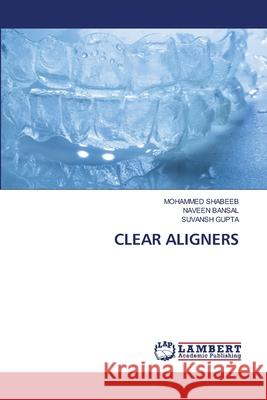
Orthodontic treatment is majorly influenced by aesthetic considerations associated with social perceptions. The Increasing demand for more aesthetic orthodontic appliances has elicited an aesthetic revolution marked by the invention and use of invisible appliances, such as aesthetic brackets, lingual appliances, and more advanced clear aligners. Among these appliances, clear aligners are often preferred over brackets by adults, owing to more aesthetic and more comfortable than conventional fixed appliancesClear aligners, also known as clear-aligner treatment. The clear aligner treatment process is based on the sequential use of aligners made with soft transparent thermoplastic materials. Various thermoplastic materials are currently used for fabrication, including polyvinyl chloride, polyurethane (PU), polyethylene terephthalate (PET), and polyethylene terephthalate glycol (PETG). These aligners are made from a thin, transparent plastic that fits over the buccal, - lingual/palatal and occlusal surfaces of the teeth. Conventionally, they are worn for a minimum of 20 hours per day and are changed sequentially every two weeks.




Czytaj nas na:
KrainaKsiazek.PL - Księgarnia Internetowa


