• Wyszukiwanie zaawansowane
  • Kategorie
  • Kategorie BISAC
  • Książki na zamówienie
  • Promocje
  • Granty
  • Książka na prezent
  • Opinie
  • Pomoc
  • Załóż konto
  • Zaloguj się

Botanical Leads for Drug Discovery » książka


zaloguj się | załóż konto
Logo Krainaksiazek.pl

koszyk

konto

szukaj
topmenu
Księgarnia internetowa
Szukaj
Książki na zamówienie
Promocje
Granty
Książka na prezent
Moje konto
Pomoc
 
 
Wyszukiwanie zaawansowane
Pusty koszyk
Bezpłatna dostawa dla zamówień powyżej 20 złBezpłatna dostawa dla zamówień powyżej 20 zł

Kategorie główne

• Nauka
 [2946600]
• Literatura piękna
 [1856966]

  więcej...
• Turystyka
 [72221]
• Informatyka
 [151456]
• Komiksy
 [35826]
• Encyklopedie
 [23190]
• Dziecięca
 [619653]
• Hobby
 [140543]
• AudioBooki
 [1577]
• Literatura faktu
 [228355]
• Muzyka CD
 [410]
• Słowniki
 [2874]
• Inne
 [445822]
• Kalendarze
 [1744]
• Podręczniki
 [167141]
• Poradniki
 [482898]
• Religia
 [510455]
• Czasopisma
 [526]
• Sport
 [61590]
• Sztuka
 [243598]
• CD, DVD, Video
 [3423]
• Technologie
 [219201]
• Zdrowie
 [101638]
• Książkowe Klimaty
 [124]
• Zabawki
 [2473]
• Puzzle, gry
 [3898]
• Literatura w języku ukraińskim
 [254]
• Art. papiernicze i szkolne
 [8170]
Kategorie szczegółowe BISAC

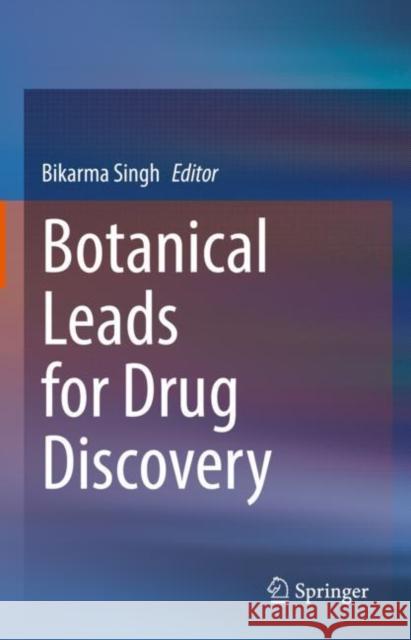
Botanical Leads for Drug Discovery

ISBN-13: 9789811559167 / Angielski / Twarda / 2020 / 468 str.
Bikarma Singh
Botanical Leads for Drug Discovery Bikarma Singh 9789811559167 Springer - książkaWidoczna okładka, to zdjęcie poglądowe, a rzeczywista szata graficzna może różnić się od prezentowanej.

Botanical Leads for Drug Discovery

ISBN-13: 9789811559167 / Angielski / Twarda / 2020 / 468 str.

Bikarma Singh
cena 605,23 zł
(netto: 576,41 VAT:  5%)

Najniższa cena z 30 dni: 578,30 zł
Termin realizacji zamówienia:
ok. 22 dni roboczych
Bez gwarancji dostawy przed świętami

Darmowa dostawa!
inne wydania
Kategorie:
Technologie
Kategorie BISAC:
Medical > Farmacja
Medical > Farmakologia
Science > Chemia - Organiczna
Wydawca:
Springer
Język:
Angielski
ISBN-13:
9789811559167
Rok wydania:
2020
Wydanie:
2020
Ilość stron:
468
Waga:
0.81 kg
Wymiary:
23.88 x 16.41 x 2.31
Oprawa:
Twarda
Wolumenów:
01

1. Cannabinoids as Promising Anti-Inflammatory Agent ..............................

Nagma Banjare, Bhushan S. Bhale and Prem N. Gupta*
1. Introduction
2. Pharmacokinetic-Pharmacodynamic Profile
3. Uses in different inflammatory disease condition
3.1. Rheumatoid Arthritis (RA)
3.2 Type 1 Daibetes Mellitus (DM1)
3.3. Multiple Sclerosis (MS)
3.4. Alzheimer’s disease (AD)
3.5. Edema and hyperalgesia
3.6. Inflammatory lung diseases (ILD)
3.7. Atherosclerosis
4. Conclusion
Abbreviations
Competing of interest
Acknowledgement
References

2. Phytochemistry and Pharmacological Activities of Rhodiola imbricata, a High Value Medicinal Herb of Cold Desert Himalaya ............................................

Venugopal Singamaneni, Upasana Sharma, Bashir Lone and Prasoon Gupta*
1. Introduction
2. Morphology and Distribution of Golden root
3. Traditional Uses
4. Phytochemistry
5. Phyto-chemotypes identified through GC-MS
5.1. Phyto-chemotypes identified from n-hexane root extract
5.2. Phyto-chemotypes identified from Chloroform root extract
5.3. Phyto-chemotypes identified from Dichloroethane root extract
5.4. Phyto-chemotypes identified from Ethyl acetate root extract
5.5. Phyto-chemotypes identified from methanol root extract
5.6. Phyto-chemotypes identified in 60% ethanol root extract:
6. Biological Aspects
6.1. Immunomodulatory Activity
6.1.1. IL-6, TNF-α and NO Production:
6.1.2. Phosphorylated I-kB in Human PBMCs:
6.1.3. Activation of Transcription Factor NF-κB in Human PBMCs:
6.2. Radiomodulatory and Free-Radical Scavenging Activity:
6.2.1. Electron donation ability of aqua-alcoholic fractionated extract:
6.2.2. O•-2 Quenching Ability of Aqua-Alcoholic Fractionated Extract
6.2.3. NO Scavenging Potential of Aqua-Alcoholic Fractionated Extract
6.2.4. Erythrocyte Protection Potential of Aqua-Alcoholic Fractionated Extract
6.3. Anti Cellular and Immunomodulatory Activity:
6.3.1. Haemolytic activity
6.3.2. Effect on proliferation of HL60 and EL-4 cells
6.3.3. ELISPOT Assay for TNF-α
6.3.4. Effect on RANTES Production
6.4. Immunopotentiating Activity
6.5. Anticancer Activity
6.5.1. Effect on cell viability
6.5.2. Effect on proliferation of K-562 cells
6.5.3. Measurement of ROS in K-562 cells
6.5.4. Effect on apoptosis
6.5.5. Effect on cell cycle
6.5.6. Effect on NK cell cytotoxicity
6.6. Radio Protective Activity
6.6.1. Maximum tolerated dose (MTD)
6.6.2. Whole body survival
6.6.3. Protection to hemopoietic stem cells
6.7. Dermal Wound Healing
6.8. Immunological Properties of R. Imbricata Aqueous Extract
6.8.1. TLR4-MD2 expression by flow cytometry
6.8.2. Enhanced intracellular granzyme-B production
6.8.3. Increased production of TH1 cytokines
6.9. Antiproliferative Activity
6.10. Radioprotective Activity
6.11. Safety Study
6.12. Anti Oxidant Activity
6.12.1. Free radical scavenging activity
6.12.2. Effect on anti-lipid per-oxidation activity
6.12.3. Superoxide Scavenging Activity
6.12.4. Iron Chelation Activity
6.12.5. Hydrogen peroxide radical scavenging activity
6.12.6. Total flavonoid content
6.12.7. Total phenolic content
6.13. Anti Oxidative Effect During Cold, Hypoxia and Restraint Exposure
6.13.1. Adaptogenic Activity
6.13.2. Acute Toxicity
6.14. Cytoprotective Activity
6.15. Hepatoprotective Activity
6.15.1. Acute Toxicity
6.15.2. Effect on haematological parameters
6.15.3. Effect on serum biochemical markers
6.15.4. Effect on in vivo antioxidant activity
6.15.5. Histopathological examination
7. Future Direction
Abbreviations
Competing of interest
Acknowledgement
References

3. Herbal Medicines as a Rational Alternative for the Treatment of Human Diseases ...................................................................................

Anand Kumar Chaudhari, Somenath Das, Bijendra Kumar Singh, Jitendra Prasad, Nawal Kishore Dubey and Abhishek Kumar Dwivedy*
1. Introduction
2. Traditional knowledge of herbal medicines (HMs)
2.1. Ayurveda
2.2. Traditional Chinese Medicines (TCMs)
2.3. Kampo
2.4. Unani medicines
2.5. Russian herbal medicines
2.6. Africa traditional herbal medicines
2.7. Traditional medicines of Korea, Sasang constitutional medicines (SCM)
3. Past, present and future scenario of human disease prevention by plant products
4. Prevention of important diseases using herbal medicines (HMs)
4.1. HMs against malaria
4.2. HMs against diabetes
4.3. HMs against cancer
4.4. HMs against Alzheimer’s and Parkinson’s
4.5. HMs against HIV
4.6. HMs against bacterial food poisoning and fungal mycotoxicosis
4.7. HMs against tuberculosis
4.8. HMs against epilepsy
4.9. HMs against hepatitis
4.10. HMs against multiple sclerosis
5. Complementary and alternative medicine (CAM): Modern technological platform for reverse pharmacology
6. Safety paradigm of traditional herbal medicine
7. Conclusion and future prospective
Abbreviations
Competing of interest
Acknowledgement
References


4. Medicinal Applications of Cannabidiol from genus Cannabis
Debojyoti Bag, Aliya Tabbasum, Nidhi Arora, Praveen Kumar Verma and Sanghapal D. Sawant*
1. Introduction
2. Origin and history of Cannabis
3. Chemical aspects of Cannabis
4. Chemistry of Cannabidiol (CBD) and Tetrahydrocannabinol (THC)
5. Clinically approved formulations based on cannabidiol
6. Therapeutic applications of CBD
4.1 Neurodegenerative disorders
4.2 Diabetes mellitus
4.3 Rheumatoid Arthritis
4.4 Cancer
4.5 Pain
4.6 HIV/AIDS
4.7 Nausea and vomiting
4.8 Recreational uses
7. Pharmacology of CBD
5.1 Pharmacodynamics
5.2 Pharmacokinetics
8. Mode of actions of CBD
9. FDA opinion on CBD
10. Legal aspects of CBD and Cannabis
11. International and national perspective on CBD and Cannabis
12. Conclusion
Abbreviations 
Competing of interest
Acknowledgement 
References
5. Medicinal Plants of District Kupwara Used in Treatment of Human Disease and Associated Biological Activities ...........................................................................

Mudasir Nazir Bhat,  Bikarma Singh*, Sneha, Opendal Surmal and Sumit Singh
1. Introduction
2. Study Area: Geography and Climate
3. Ethnobotanical data collection
4. Floristic Analysis of medicinal plants
5. Plant parts used as medicine and mode of usages   
6. Conclusion
Abbreviations
Competing of interest
Acknowledgement
References

6. Plant Volatile Organic Compounds and Neuro-regenerative Health ...................
Rekha Chouhan, Sajad Ahmed and Sumit G. Gandhi*
1. Introduction
2. Plant VOCs
2.1. Definition
2.2. Biosynthesis and Chemical nature of plant VOCs
2.3. Analysis of plant VOCs
2.4. Functions of plant VOCs within plant and habitat
3. Effects of Plant VOCs on human health
3.1. Antimicrobial effects
3.2. Plants oils in Respiratory ailments
3.3. Skin healing properties
3.4. Antioxidant properties
3.5. Used in cancer therapy
3.6. Plant oils in pain and inflammation
3.7. Other health benefits
4. Neurological health and plants and their active VOCS
4.1. Neurological disorders
4.2. Essential oils, and their Volatiles- Role in Neurological health
4.2.1. Lavander
4.2.2. Lemon Balm
4.2.3. Acorus
4.2.4. Ocimum
4.2.5. Sandalwood
4.2.6. Gotukola
4.2.7. Peppermint
4.2.8. Rosemary
4.2.9. Rose
4.2.10. Sage
4.2.11. Jasmine
4.2.12. Cedarwood
4.2.13. Su-He-Xiang-Wan
5. Conclusion
Abbreviations
Competing of interest
Acknowledgement
References


7. Plant-Derived Drug Discovery: Introduction to Recent Approaches   ...................
Bharat Goel, Bharat Sahu and Shreyans Kumar Jain*
1. Introduction
2. Plants as Potential Sources for Natural Products
3. Criteria for the Plant Collection
3.1. Ethnomedicinal uses or information from traditional medicine systems
3.2. Chemosystematic criteria
3.3. Ecological approach
3.4. Random collection
4. Authentication of Plant Material
5. Extraction Methods
6. Natural Product Library
7. Bioassay-Guided Isolation
8. Dereplication and Hyphenated Techniques
8.1. Liquid Chromatography-Mass spectrometry (LC-MS)
8.2 CapillaryElectrophoresis–Massspectrometry (CE-MS)
8.3. Gas Chromatography–Mass Spectrometry (GC-MS)
8.4. Chemical derivatization
8.5. LiquidChromatography–Photo Diode ArrayDetector (LC-PDA)
8.6. LiquidChromatography–Infrared Spectroscopy (LC-IR)
8.7. LiquidChromatography–Nuclear Magnetic Resonance Spectroscopy (LC-NMR)
9. Multiple Hyphenated Techniques
10. Case Study
11. Impact on Synthetic Medicinal Chemistry
11.1. Semi-synthesis and Derivatization
11.2. Synthesis Inspired by Natural Products
11.3. Diverted Synthesis
12. Conclusion
Abbreviations
Competing of interest
Acknowledgement
References

8. Phyllanthus amarus as Herbal Medicine:  Ethanobotany, Phytochemistry and Pharmacology Aspects ...................................................................................

Sunil Kumar
1. Introduction
2. Ethanobotany
3. Phytochemistry
4. Pharmacological activity
5. Phytochemical analysis by analytical techniques
6. Conclusion
Abbreviations
Competing of interest
Acknowledgement
References

9. Genetic Variability in Ocimum Germplasm, Medicinal and Economic Potential for Value Addition and Product Development    ..............................

Smita Singh, RK Lal and Bikarma Singh
1. Introduction
2. Methodology
3. Results and Discussion
4. Conclusion
Abbreviations
Competing of interest
Acknowledgement
References


10. Effect of Natural Products on the Improvement of Blood Pathophysiology for the Management of Sickle Cell Anemia      .......................................................

Abhishek Gour, Ashish Dogra, Shipra Bhatt and Utpal Nandi*
1. Introduction
2. Current treatment options of SCA
3. Prospects of natural products for the treatment of SCA
4. Conclusion
Abbreviations
Competing of interest
Acknowledgement
References


11. Ethnobotany as a Science of Preserving Traditional Knowledge: A case study of investigating herbal medicinal uses of wild plants of District Reasi, J&K (Northwestern Himalaya), India .....................................................................


Shiekh Marifatul Haq and Bikarma Singh*
1. Introduction
2. Study Area: Geography and Climate
3. Methodology: Survey, Collection and Data Investigation
4. Results
4.1. Vegetation Composition and Distribution of Plant Species
4.2. Species-Family relationship
4.3. Ethno-botanical information
4.3.1. Double -Usage
4.3.2. Multi -Usage
4.3.3. Plant Usage Classification
5. Discussion and Compared Studies
6. Conclusion
Abbreviations
Competing of interest
Acknowledgement
References


12. Chemical Constituents and Pharmacological Activities of Marrubium vulgare, an Important Medicinal Herb ...............

Shabir A. Dar, Anil Bhushan and Prasoon Gupta2*
1. Introduction
2. Methodology
3. Taxonomic description 
4. Morphological description
5. Traditional uses as medicine
6. Phytochemistry
6.1. Diterpenoids
6.2. Flavonoids
6.3. Phenylpropanoid and Phenylethanoid Glycosides
6.4. Active compounds in essential oil of M. vulgare
6.5. Other Chemical Constituents
7. Pharmacological Activities
7.1. Anti-inflammatory Activity
7.2. Analgesic and Antinociceptive Activity
7.3. Antiodematogenic Activity
7.4. Antispasmodic Activity
7.5. Gastro Protective Activity
7.6. Antihypertensive Activity
7.7. Antidiabetic and Antihyperlipidemic Activity
7.8. Antihepatotoxic Activity
7.9. Antioxidant Activity
7.10. Antimicrobial Activity
7.11. Anticancer Activity
7.12. Antiprotozoal, Molluscicidal and Mosquitocidal Activities
8. Toxicological Study
9. Conclusion and Future Perspectives
Abbreviations
Competing of interest
Acknowledgement
References

13. Protected Areas and Local Knowledge for Collection of Medicinal Plants: A Case Study of Medicinal Wealth in Jasrota Wildlife Sanctuary (Western Himalaya),  India .....................................................................


Bishander Singh*, Anand Kishor and Bikarma Singh
1. Introduction
2. Study Area: Location and Climate
3. Medicinal Plant Survey and Data Collection
4. Data Analysis
5. Results and Discussion
5.1. Demography of Informants
5.2. Floristic description
5.3. Frequency Index (FI)
6. Discussion
7. Conclusion
Abbreviations
Competing of interest
Acknowledgement
References

14. Chemical Investigation of Tanacetum gracile, a High Altitude Potential Medicinal Herb: Standardization and Simultaneous Quantification by HPLC-ESI-Qt of Mass Spectrometry ...............................


Neha Sharma
1. Introduction
2. Distribution
3. Botanical description
4. Pharmacology
5. Phytochemistry
6. Phytochemical studies
6.1. Isolation and characterization of the isolated molecules
6.2. Bioevaluation
6.2.1. Evaluation of anticancer activity of the T.gracile extracts
6.2.1.1. Effect of Pet ether extract on human prostate cancer PC-3 cells
6.2.1.1.a. DAPI Staining
6.2.1.1.b. Detection of mitochondrial membrane potential (MMP)
6.2.2. Evaluation of anticancer activity of the isolated molecules from T. gracile.
6.2.3. Standardization of the active extracts of T. gracile
6.2.3.1. Quantification of the isolated molecules in different extracts of T. gracile
6.2.3.2. Method validation
6.2.3.2.a. Specificity
6.2.3.2.b. Linearity and range
6.2.3.2.c. Limit of detection (LOD) and Limit of quantitation (LOQ)
6.2.3.3. Recovery, Accuracy and precision
6.3. Chemical finger printing analysis by using Cluster Analysis 
7. Conclusion
7.1. Experimental section
7.1.1. Materials and methods
7.1.2. Plant material and preparation of extracts
7.1.3. Isolation of Compounds from Extract
7.1.4. Preparation of reference, standard and quality control solutions
7.1.5. Optimization of HPLC-ESI-Q-TOF-MS conditions
7.1.6. Statistical Analysis
7.1.7. Method validation procedures
7.1.8. Spectral data of isolated molecules.
7.1.8.a. Ketoplenolide b (TG-1)
7.1.8.b. 5-hydroxy-3, 6, 7, 3,’4’-pentamethoxyflavone (artemetin) (TG-2)
7.1.8.c. X-ray crystallographic data of TG-2
7.1.8.d.  5, 3’-dihydroxy-6, 7, 3', 4'-tetramethoxyflavone (TG-3)
7.1.8.e.  Kaempferol / 3, 4ˊ, 5, 7 - tetrahydroxy flavone (TG-4)
7.1.8.f.  β-Sitosterol (TG-5)
7.1.9. Biological Evaluation
7.1.9.1. Assessment of anticancer activity
7.1.9.1.a. Cell Culture, Growth conditions and treatment conditions
7.1.9.1.b. In vitro  Cytotoxicity Assay
7.1.10. Quantitative estimation of marker compounds by using LCMS/MS-Q-TOF
7.10.1. Instrumentation
7.10.2. Chemicals
Abbreviations
Competing of interest
Acknowledgement
References


15 Capsicum chinense: A review on history, ethnobotany, bioactivity and future prospective on business potential .........................................................

Joyashree Baruah and Mohan Lal*
1. Introduction
2. Taxonomic position
3. Botanical enumeration
4. History
5. Ethno-botanical usages
6. Bioactivity of the plant
6.1. Effect of chilli on weight loss
6.2. In antipain therapy
6.3. Regulation of body temperature
Cancer prevention
Source of antioxidant and anti-inflammatory
As antimicrobial agent
Remedy for gastric-ulcer
Cardiovascular activity
Other non-pharmacological applications
7. Business potential and Future prospects
8. Conclusion
Abbreviations
Competing of interest
Acknowledgement
References

16. Medicinal Plants and their Role in Inflammation: A Close Look on Future Drug Discovery Activities .......................................................

Gifty Sawhney*, Satinder Kaur, Asha Bhagat and Zabeer Ahmed*
1. Introduction
2. Research Methodology
3. Plants used as Anti-Inflammation
3.1. Achillea millefolium
3.2. Aconitum heterophyllum
3.3. Azadirachta indica
3.4. Aegle marmelos                   
3.5. Annona squamosa                             
3.6. Bryophyllum pinnatum               
3.7. Cassia fistula   
3.8. Emblica officinalis                         
3.9. Hedera rhombea
3.10. Pluchea indica           
3.11. Piper ovatum
3.12. Piper longum
3.13. Ricinus communis
3.14. Senna occidentalis
3.15. Sida cordifolia
3.16. Swertia chirata
3.17. Thespesia populnea
3.18. Zingiber officinale
4. Mechanism of Inflammation
5. Generic Non-steroidal anti-inflammatory drugs (NSAIDs) available in the market
6. Future Drug Perspective
7. Patents
8. Conclusion
Abbreviations
Competing of interest
Acknowledgement
References

17. Ethanobotany and Phytochemistry of Lantana camara (Verbenaceae)  ……….
Satyendra Kumar
1. Introduction
2. Taxonomical classification
3. Plant Morphology
4. Geographical Distribution
5. Ethnobotany
6. Phytochemistry
7. Conclusion
Abbreviations
Competing of interest
Acknowledgement
References

18. Benthic Invertebrates: Future Perspective in Drug Discovery Programme
Ravail Singh
1. Introduction
1.1. Types of Benthos based on habitat
1.2. 1.2. Types of Benthos based on Size
2. Different habitats of Benthic community
2.1. Costal Habitat
2.2. Sandy Beaches
2.3. Mangrove Habitat
2.4. Freshwater Benthos
3. Importance of Benthos
3.1. Marine invertebrate as source of new drugs and molecules
3.2. Benthos as bioturbators
3.3. Benthos as bioindicators
3.4. Benthos in pollution studies
5. Conclusion and Future Perspective
6. Conclusion
Abbreviations
Competing of interest
Acknowledgement
References


19. Cymbopogon Winterianus: a Hub for Various Industrial and Pharmaceutical Applications
Sunita Munda and Mohan Lal*
1. Introduction
2. Botanical Description
3. High Yielding Varieties
4. Isolation of Essential Oil
5. Chemical Composition of Essential Oil
6. Biological Activities and Pharmaceutical Importance
6.1. Anticonvulsant Activity
6.2. Antimicrobial Activity
6.3. Antinociceptive and Antiinflammatory Activity
6.4. Cardiovascular Effect
6.5. Weedicides
6.6. Molluscicidal Activity
6.7. Insecticidal Activity
6.8. Acaricidal activity
6.9. Aromatherapy
6.10. Perfumery and Cosmetic Industry
6.11. Bio resource from waste biomass
6.12. Other uses
7. Global Market and Demand
8. Conclusion
Abbreviation used
Conflict of Interest
Acknowledgment
References

20. Medicinal Value of Selected Five High Altitude Plants of Indian Himalaya
Jaspreet Kour, Palavi Rajput, Harpreet Kour, Praveen Kumar Verma and Sanghapal D. Sawant*
1. Introduction
2. Medicinal plants from high altitude Himalayan region
3. Plants growing in high altitude region
3.1. Aconitum heterophyllum
3.1.1. General note on A. heterophyllum 
3.1.2. Chemical Constituents of A. heterophyllum 
3.1.3. Molecular Structure of A. heterophyllum 
3.1.4. Medicinal Uses of A. heterophyllum 
3.1.4.1. Digestive Disease
3.1.4.2. Respiratory Disease
3.1.4.3. Urinary System
3.1.4.4. Reproductive System
3.1.5. Pharmacological Uses
3.1.5.1. Hepatoprotective Activity
3.1.5.2. Miscellaneous Activities
3.1.6. Safety and Toxicity Studies
3.2. Hippophae rhamnoides
3.2.1. General note on H. rhamnoides
3.2.2. Chemical Constituents of H. rhamnoides
3.2.3. Molecular Structures of H. rhamnoides
3.2.4. Medicinal Uses of H. rhamnoides
3.2.5. Pharmacological Uses of H. rhamnoides
3.2.5.1. Antimicrobial and Antitumoral Effects
3.2.5.2. Anti-bacterial and Anti-viral Effects
3.2.5.3. Anti-ulcer Effects
3.2.5.4. Anti-radiation Effects
3.2.5.5. Liver Diseases
3.2.5.6. Dermatological Effects
3.2.6. Safety and Toxicity Studies of H. rhamnoides
3.3. Inula racemosa
3.3.1. General note on I. racemosa
3.3.2. Chemical Constituents of I. racemosa
3.3.3. Molecular Structures of I. racemosa
3.3.4. Medicinal Uses of I. racemosa
3.3.5. Pharmacological Uses of I. racemosa
3.3.5.1. Anti-inflammatory Activity
3.3.5.2. Analgesic Effect
3.3.5.3. Antibacterial Activity
3.3.5.4. Antioxidant Activity
3.3.5.5. Cardioprotective Activity
3.3.5.6. Adaptgenicity Potential
3.3.6. Toxicology and Dosage of I. racemosa
3.4. Rhodiola rosea
3.4.1. General notes of R. rosea
3.4.2. Chemical Constituents of R. rosea
3.4.3. Molecular Structures of R. rosea
3.4.4. Medicinal Importance of R. rosea
3.4.5. Pharmacological and Clinical Studies of R. rosea
3.4.5.1. Effects on Central Nervous System
3.4.5.2. Antioxidant Properties
3.4.5.3. Against Neuroinflammation
3.4.5.4. Effects on Physical Work Capacity
3.4.5.5. Cardioprotective Effects
3.4.5.6. Effect on Endocrine and Reproductive Activity
3.4.5.7. Effect on Oncogenic Kinase PAK
3.4.5.8. Anti Addiction Effect
3.4.5.9. Anti Stroke Effect
3.4.6. Toxicity of R. Rosea
3.5. Sinopodophyllum hexandrum
3.5.1. General note on S. hexandrum
3.5.2. Chemical Constituents of S. hexandrum
3.5.3. Medicinal Uses of S. hexandrum
3.5.4. Pharmacological applications of S. hexandrum
3.5.5. Toxicological data of S. hexandrum
4. Why high altitude plants are different from low elevation plants?
5. Conclusion and Future Direction
Abbreviation used
Conflict of Interest
Acknowledgment
References

21. Anti-inflammatory activity of some selected medicinal plants: Present status and future perspectives
Sonam Chauhan and Sanjay Guleria
1. Introduction
2. Characteristics of inflammation
3. Anti-inflammatory effects of plant extracts
4. Anti-inflammatory activity of essential oils
5. Anti-Inflammatory Effects of isoflavones
6. Anti-inflammatory effects of polyphenols
7. Role of fermentation in increasing the anti-inflammatory properties of herbs
8. Conclusion
Abbreviation used
Conflict of Interest
Acknowledgment
References

Dr. Bikarma Singh is working as a Senior Scientist at the Indian Institute of Integrative Medicine (IIIM), J&K, which is one of India’s leading Council of Scientific and Industrial Research (CSIR) institutes. He is also an Assistant Professor at AcSIR, Ghaziabad, and a Ph.D. Supervisor in the University of Jammu. He graduated and received a gold medal in Plant Sciences (Botany) from the North-Eastern Hill University Shillong in 2005, and completed his Doctorate Degree in Botany at Gauhati University (Assam) and the Botanical Survey of India (Shillong) Meghalaya in 2012. He began his career as a Scientist-Ecologist at WAPCOS Ltd, Gurgaon and joined IIIM’s Department of Plant Sciences in 2013. Dr. Singh has 15 year’s research experience in Plant Sciences, particularly in systematic and biotechnology, ethnobotany, value addition from essential oils, natural products, ecology, germplasm conservation and EIA. He is a reviewer for several national and international SCI and UGC listed journals, and has organized numerous seminars and workshops. He was named an ‘Outstanding Scientist in Botany in 2019’ by Venus International Foundation, Chennai and two of his Ph.D. students received best research paper awards in 2019. He has authored/co-authored 9 books and published 88 research papers in peer-reviewed national and international journals. His notable publications include Plants for Human Survival and Medicine, Plants of Commercial Value, Plant-Human Relations & Future Drug Discovery. He holds 2 international patents, and has served as PI/Co-PI/team member for more than 40 research projects funded by government and private organizations. He is a member of several research committees, and has delivered invited talks as key-note speaker/lecturer at various conferences, seminars and workshops.


Active botanical ingredients are a prime requirement for herbal formulations and discovering a drug is all about integration of science disciplines. In recent decades there has been a growing interest in treating wounds and diseases using traditional remedies based on local herbs, combined with chemical advances. Although this has led to the development of new bioactive ingredients from plants, there has been little success in terms of clinical trials and post-marketing studies to comply with FDA guidelines. Plants have been used as a source of medicine throughout history and continue to serve as the basis for many pharmaceuticals used today. However, despite the modern pharmaceutical industry being founded on botanical medicine, synthetic approaches to drug discovery have now become standard. Science-driven translational discovery and botanical development has created a new reality, leading to enormous changes in strategies, technologies and the disciplines involved, which have been embraced by the pharmaceutical and biotech industries.

This book gathers scientific expertise and traditional knowledge to promote the discovery and development of new formulations and drugs based on active ingredients and to provide guidance on taking these to clinical trials. It discusses major topics, such as how the phytochemical composition of many plants has changed over time due to factors like cultivation, which can have both positive and negative effects on the levels of bioactive compounds. It also explores the importance of plants as a valuable source of therapeutic compounds as a result of their vast biosynthetic capacity, and classifies them according to their intended use, safety and regulatory status. Further, the book offers insights into the regulatory aspects of botanical products, which is an important issue when considering standardization and quality assessment, and also examines the commercial aspects of plant-derived medications and their proven role in the treatment of chronic diseases such as heart disease, high blood pressure, pain, asthma, and other associated conditions. Given its scope, this book is a valuable tool for botanists, natural product chemists, pharmacologists and microbiologists involved in the study of phytochemicals for drug discovery. 


Udostępnij

Facebook - konto krainaksiazek.pl


Opinie o Krainaksiazek.pl na Opineo.pl

Partner Mybenefit

Krainaksiazek.pl w programie rzetelna firma Krainaksiaze.pl - płatności przez paypal

Czytaj nas na:

Facebook - krainaksiazek.pl
  • książki na zamówienie
  • granty
  • książka na prezent
  • kontakt
  • pomoc
  • opinie
  • regulamin
  • polityka prywatności

Zobacz:

  • Księgarnia czeska

  • Wydawnictwo Książkowe Klimaty

1997-2025 DolnySlask.com Agencja Internetowa

© 1997-2022 krainaksiazek.pl
     
KONTAKT | REGULAMIN | POLITYKA PRYWATNOŚCI | USTAWIENIA PRYWATNOŚCI
Zobacz: Księgarnia Czeska | Wydawnictwo Książkowe Klimaty | Mapa strony | Lista autorów
KrainaKsiazek.PL - Księgarnia Internetowa

Polityka prywatnosci - link
Krainaksiazek.pl - płatnośc Przelewy24
Przechowalnia Przechowalnia






