• Wyszukiwanie zaawansowane
  • Kategorie
  • Kategorie BISAC
  • Książki na zamówienie
  • Promocje
  • Granty
  • Książka na prezent
  • Opinie
  • Pomoc
  • Załóż konto
  • Zaloguj się

Biometric Identification, Law and Ethics » książka


zaloguj się | załóż konto
Logo Krainaksiazek.pl

koszyk

konto

szukaj
topmenu
Księgarnia internetowa
Szukaj
Książki na zamówienie
Promocje
Granty
Książka na prezent
Moje konto
Pomoc
 
 
Wyszukiwanie zaawansowane
Pusty koszyk
Bezpłatna dostawa dla zamówień powyżej 20 złBezpłatna dostawa dla zamówień powyżej 20 zł

Kategorie główne

• Nauka
 [2946600]
• Literatura piękna
 [1856966]

  więcej...
• Turystyka
 [72221]
• Informatyka
 [151456]
• Komiksy
 [35826]
• Encyklopedie
 [23190]
• Dziecięca
 [619653]
• Hobby
 [140543]
• AudioBooki
 [1577]
• Literatura faktu
 [228355]
• Muzyka CD
 [410]
• Słowniki
 [2874]
• Inne
 [445822]
• Kalendarze
 [1744]
• Podręczniki
 [167141]
• Poradniki
 [482898]
• Religia
 [510455]
• Czasopisma
 [526]
• Sport
 [61590]
• Sztuka
 [243598]
• CD, DVD, Video
 [3423]
• Technologie
 [219201]
• Zdrowie
 [101638]
• Książkowe Klimaty
 [124]
• Zabawki
 [2473]
• Puzzle, gry
 [3898]
• Literatura w języku ukraińskim
 [254]
• Art. papiernicze i szkolne
 [8170]
Kategorie szczegółowe BISAC

Biometric Identification, Law and Ethics

ISBN-13: 9783030902551 / Angielski / Miękka / 2021 / 112 str.
Marcus Smith;Seumas Miller
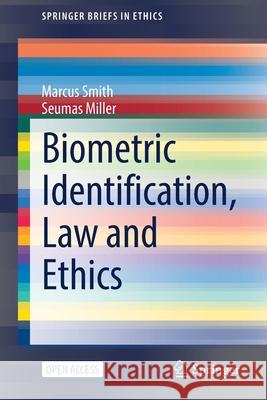
Biometric Identification, Law and Ethics Marcus Smith, Seumas Miller 9783030902551 Springer International Publishing - książkaWidoczna okładka, to zdjęcie poglądowe, a rzeczywista szata graficzna może różnić się od prezentowanej.

Biometric Identification, Law and Ethics

ISBN-13: 9783030902551 / Angielski / Miękka / 2021 / 112 str.

Marcus Smith;Seumas Miller
cena 121,01 zł
(netto: 115,25 VAT:  5%)

Najniższa cena z 30 dni: 115,63 zł
Termin realizacji zamówienia:
ok. 22 dni roboczych
Bez gwarancji dostawy przed świętami

Darmowa dostawa!

This book is open access. This book undertakes a multifaceted and integrated examination of biometric identification, including the current state of the technology, how it is being used, the key ethical issues, and the implications for law and regulation. The five chapters examine the main forms of contemporary biometrics–fingerprint recognition, facial recognition and DNA identification– as well the integration of biometric data with other forms of personal data, analyses key ethical concepts in play, including privacy, individual autonomy, collective responsibility, and joint ownership rights, and proposes a raft of principles to guide the regulation of biometrics in liberal democracies.Biometric identification technology is developing rapidly and being implemented more widely, along with other forms of information technology. As products, services and communication moves online, digital identity and security is becoming more important. Biometric identification facilitates this transition. Citizens now use biometrics to access a smartphone or obtain a passport; law enforcement agencies use biometrics in association with CCTV to identify a terrorist in a crowd, or identify a suspect via their fingerprints or DNA; and companies use biometrics to identify their customers and employees. In some cases the use of biometrics is governed by law, in others the technology has developed and been implemented so quickly that, perhaps because it has been viewed as a valuable security enhancement, laws regulating its use have often not been updated to reflect new applications. However, the technology associated with biometrics raises significant ethical problems, including in relation to individual privacy, ownership of biometric data, dual use and, more generally, as is illustrated by the increasing use of biometrics in authoritarian states such as China, the potential for unregulated biometrics to undermine fundamental principles of liberal democracy. Resolving these ethical problems is a vital step towards more effective regulation.


Kategorie:
Nauka, Polityka
Kategorie BISAC:
Political Science > General
Social Science > Criminology
Computers > Artificial Intelligence - Computer Vision & Pattern Recognition
Wydawca:
Springer International Publishing
Seria wydawnicza:
SpringerBriefs in Ethics
Język:
Angielski
ISBN-13:
9783030902551
Rok wydania:
2021
Ilość stron:
112
Waga:
0.17 kg
Wymiary:
23.39 x 15.6 x 0.58
Oprawa:
Miękka
Wolumenów:
01
Dodatkowe informacje:
Wydanie ilustrowane

Acknowledgment

1. The Rise of Biometric Identification, Fingerprints and Applied Ethics

2. Facial Recognition and Privacy Rights

3. DNA Identification, Joint Rights and Collective Responsibility

4. Biometric and Non-Biometric Integration: Dual Use Dilemmas

5. The Future of Biometrics and Liberal Democracy

Index

Dr Marcus Smith is Associate Professor in Law at Charles Sturt University and Adjunct Professor of Law at the University of Canberra. He holds a PhD in law from the Australian National University. He has published widely on technology law, regulation and ethics. His previous books include: Technology Law (Cambridge University Press, 2021), Biometrics, Crime and Security (Routledge, 2018) and DNA Evidence in the Australian Legal System (LexisNexis, 2016).

Professor Seumas Miller has research appointments at Charles Sturt University, TU Delft and the University of Oxford. He is the Principal Investigator on a European Research Council Advanced Grant on counter-terrorism ethics, and is the author of more than 200 academic articles and 20 books, including The Ethics of Cybersecurity (with Terry Bossomaier) (Oxford University Press, 2021) and Dual Use Science and Technology, Ethics and Weapons of Mass Destruction (Springer, 2018).

This book is open access. This book undertakes a multifaceted and integrated examination of biometric identification, including the current state of the technology, how it is being used, the key ethical issues, and the implications for law and regulation. The five chapters examine the main forms of contemporary biometrics–fingerprint recognition, facial recognition and DNA identification– as well the integration of biometric data with other forms of personal data, analyses key ethical concepts in play, including privacy, individual autonomy, collective responsibility, and joint ownership rights, and proposes a raft of principles to guide the regulation of biometrics in liberal democracies.

Biometric identification technology is developing rapidly and being implemented more widely, along with other forms of information technology. As products, services and communication moves online, digital identity and security is becoming more important. Biometric identification facilitates this transition. Citizens now use biometrics to access a smartphone or obtain a passport; law enforcement agencies use biometrics in association with CCTV to identify a terrorist in a crowd, or identify a suspect via their fingerprints or DNA; and companies use biometrics to identify their customers and employees. In some cases the use of biometrics is governed by law, in others the technology has developed and been implemented so quickly that, perhaps because it has been viewed as a valuable security enhancement, laws regulating its use have often not been updated to reflect new applications. However, the technology associated with biometrics raises significant ethical problems, including in relation to individual privacy, ownership of biometric data, dual use and, more generally, as is illustrated by the increasing use of biometrics in authoritarian states such as China, the potential for unregulated biometrics to undermine fundamental principles of liberal democracy. Resolving these ethical problems is a vital step towards more effective regulation.




Udostępnij

Facebook - konto krainaksiazek.pl


Opinie o Krainaksiazek.pl na Opineo.pl

Partner Mybenefit

Krainaksiazek.pl w programie rzetelna firma Krainaksiaze.pl - płatności przez paypal

Czytaj nas na:

Facebook - krainaksiazek.pl
  • książki na zamówienie
  • granty
  • książka na prezent
  • kontakt
  • pomoc
  • opinie
  • regulamin
  • polityka prywatności

Zobacz:

  • Księgarnia czeska

  • Wydawnictwo Książkowe Klimaty

1997-2025 DolnySlask.com Agencja Internetowa

© 1997-2022 krainaksiazek.pl
     
KONTAKT | REGULAMIN | POLITYKA PRYWATNOŚCI | USTAWIENIA PRYWATNOŚCI
Zobacz: Księgarnia Czeska | Wydawnictwo Książkowe Klimaty | Mapa strony | Lista autorów
KrainaKsiazek.PL - Księgarnia Internetowa

Polityka prywatnosci - link
Krainaksiazek.pl - płatnośc Przelewy24
Przechowalnia Przechowalnia



