• Wyszukiwanie zaawansowane
  • Kategorie
  • Kategorie BISAC
  • Książki na zamówienie
  • Promocje
  • Granty
  • Książka na prezent
  • Opinie
  • Pomoc
  • Załóż konto
  • Zaloguj się

Biology of Termites: A Modern Synthesis » książka


zaloguj się | załóż konto
Logo Krainaksiazek.pl

koszyk

konto

szukaj
topmenu
Księgarnia internetowa
Szukaj
Książki na zamówienie
Promocje
Granty
Książka na prezent
Moje konto
Pomoc
 
 
Wyszukiwanie zaawansowane
Pusty koszyk
Bezpłatna dostawa dla zamówień powyżej 20 złBezpłatna dostawa dla zamówień powyżej 20 zł

Kategorie główne

• Nauka
 [2949965]
• Literatura piękna
 [1857847]

  więcej...
• Turystyka
 [70818]
• Informatyka
 [151303]
• Komiksy
 [35733]
• Encyklopedie
 [23180]
• Dziecięca
 [617748]
• Hobby
 [139972]
• AudioBooki
 [1650]
• Literatura faktu
 [228361]
• Muzyka CD
 [398]
• Słowniki
 [2862]
• Inne
 [444732]
• Kalendarze
 [1620]
• Podręczniki
 [167233]
• Poradniki
 [482388]
• Religia
 [509867]
• Czasopisma
 [533]
• Sport
 [61361]
• Sztuka
 [243125]
• CD, DVD, Video
 [3451]
• Technologie
 [219309]
• Zdrowie
 [101347]
• Książkowe Klimaty
 [123]
• Zabawki
 [2362]
• Puzzle, gry
 [3791]
• Literatura w języku ukraińskim
 [253]
• Art. papiernicze i szkolne
 [7933]
Kategorie szczegółowe BISAC

Biology of Termites: A Modern Synthesis

ISBN-13: 9789048139767 / Angielski / Twarda / 2010 / 596 str.
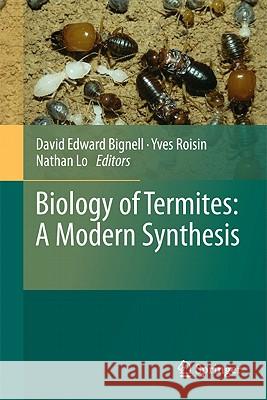
D. E. Bignell; Yves Roisin; Nathan Lo
Biology of Termites: A Modern Synthesis Bignell, David Edward 9789048139767 Springer - książkaWidoczna okładka, to zdjęcie poglądowe, a rzeczywista szata graficzna może różnić się od prezentowanej.

Biology of Termites: A Modern Synthesis

ISBN-13: 9789048139767 / Angielski / Twarda / 2010 / 596 str.

D. E. Bignell; Yves Roisin; Nathan Lo
cena 1210,50 zł
(netto: 1152,86 VAT:  5%)

Najniższa cena z 30 dni: 1156,64 zł
Termin realizacji zamówienia:
ok. 22 dni roboczych
Bez gwarancji dostawy przed świętami

Darmowa dostawa!

Biology of Termites, a Modern Synthesis brings together the major advances in termite biology, phylogenetics, social evolution and biogeography. In this new volume, David Bignell, Yves Roisin and Nathan Lo have brought together leading experts on termite taxonomy, behaviour, genetics, caste differentiation, physiology, microbiology, mound architecture, biogeography and control. Very strong evolutionary and developmental themes run through the individual chapters, fed by new data streams from molecular sequencing, and for the first time it is possible to compare the social organisation of termites with that of the social Hymenoptera, focusing on caste determination, population genetics, cooperative behaviour, nest hygiene and symbioses with microorganisms. New chapters have been added on termite pheromones, termites as pests of agriculture and on destructive invasive species.


Kategorie:
Nauka, Biologia i przyroda
Kategorie BISAC:
Science > Bezkręgowce
Science > Life Sciences - Ecology
Science > Mikrobiologia
Wydawca:
Springer
Język:
Angielski
ISBN-13:
9789048139767
Rok wydania:
2010
Ilość stron:
596
Waga:
0.92 kg
Wymiary:
23.37 x 15.75 x 3.56
Oprawa:
Twarda
Wolumenów:
01
Dodatkowe informacje:
Wydanie ilustrowane

Aus den Rezensionen zur 2. Auflage:

"... Ein überaus empfehlenswertes, brandaktuelles Nachschlagewerk zur Biologie der Termiten, für Entomologen, Entwicklungsbiologen, Mikrobiologen, Soziobiologen und sich mit den Tropen befassenden Agrarwissenschaftlern." (R. Gerstmeier, in: Entomofauna, 29/April/2011)

1. An introduction to termites: biology, taxonomy and functional morphology (Paul Eggleton) 1.1. Introduction 1.2. Diversity, taxonomy, classification 1.3. The colony 1.4. The colony as (super)organism 1.5. Reproduction and dispersal: alates 1.6. Worker morphology 1.7. Construction, feeding and tending 1.8. Active defence: soldiers 1.9. Protection, stability, fortification: nests and mounds 1.10. Conclusions References 2. Termite phylogenetics and co-cladogenesis with symbionts (Nathan Lo, Paul Eggleton) 2.1.Introduction 2.2. Phylogenetic 2.3. Co-cladogenesis between cockroaches, termites, and their symbionts 2.4. Fossil history and key events leading to the origin of termites 2.5. Taxonomic implications of the phylogenetic position of termites 2.6. Termite phylogeny: morphological character sets 2.7. Phylogenetic and taxonomic relationships among Termites 2.8. Conclusions References 3. Evolution and function of endogenous termite cellulases (Nathan Lo, Gaku Tokuda, Hirofumi Watanabe) 3.1. Introduction 3.2. Cellulose and cellulases 3.3. A brief history of cellulose research 3.4. Discovery of endogenous cellulose genes and their evolutionary origins 3.5. Endogenous endoglucanases and -glucosidase copy number and expression in termites 3.6. Functional significance of endogenous cellulases 3.7. Caste specific production of cellulose genes 3.8. Conclusions References 4. Altricial development in wood-feeding cockroaches: the key antecedent of termite eusociality (Christine A Nalepa) 4.1. Introduction 4.2. Altricial development 4.3. Altricial offspring: necessary precedent to eusociality 4.4. Altricial development becomes the norm 4.5. Conclusions References 5. Eusocial evolution in termites and Hymenoptera (Kenneth J Howard, Barbara L. Thorne) 5.1. Introduction 5.2. Evolution from subsocial ancestors 5.3. Forms of helpers 5.4. Predisposition for eusociality 5.5. Selective processes promoting eusocial helpers 5.6. Synthesis References 6. Social organization and the status of workers in termites (Yves Roisin, Judith Korb) 6.1. Introduction 6.2. Mastotermitidae 6.3. Wood-dwelling termites 6.4. Hodotermitidae 6.5. Rhinotermitidae, Serritermitidae and Termitidae 6.6. Origin and evolution of the worker caste 6.7. Conclusion: what is a worker? References 7. Ecology, behavior and evolution of disease resistance in termites (Rebeca B Rosengaus, James FA Traniello, Mark S Bulmer) 7.1. Introduction 7.2. Phylogeny, eusociality and the evolution of disease resistance in termites 7.3. Termite microbial ecology, disease risk and immunocompetence 7.4. Social behavior and infection control 7.5. Termite life history, genetic diversity and disease resistance 7.6. Disease and colony foundation 7.7. Conclusions 8. Comparative biology of fungus cultivation in termites and ants (Tânia Nobre, Corinne Rouland-Lefèvre, Duur Aanen) 8.1. Introduction 8.2. Evolutionary history of fungiculture 8.3. Colony foundation and establishment of the fungus garden 8.4. Role of fungal symbiont 8.5. Fungus garden protection 8.6. Evolutionary stability 8.7. Concluding remarks References 9. Molecular basis underlying caste differentiation in termites (Toru Miura, Michael E Scharf) 9.1. Introduction 9.2. A historical view of classic work on case determination and differentiation 9.3. Screening of genes responsible for caste differentiation: gene discovery and genomics 9.4. Investigation of gene functions in termites: functional genomics 9.5. Hormonal regulation of caste differentiation 9.6. Morphogenesis in caste differentiation 9.7. Social regulation of caste ratios 9.8. Sociogenomics in termites 9.9. Conclusions and perspectives References 10. Sexual and asexual reproduction in termites (Kenji Matsuura) 10.1. Introduction 10.2. Facultative parthenogenesis in maleless colony Foundation 10.3. Mechanism of termite parthenogenesis 10.4. Asexual queen succession (AQS) 10.5. Parthenogenesis and recessive deleterious genes 10.6. Genetic basis of AQS 10.7. Comparison of AQS systems between termites and ants 10.8. Clues to find new AQS species References 11. Pheromones and chemical ecology of dispersal and foraging in termites (Christian Bordereau, Jacques M Pasteels) 11.1. Introduction 11.2. Dispersal 11.3. Foraging 11.4. Pheromonal parsimony 11.5. Conclusions References 12. Genetic structure of termite colonies and populations (Edward L Vargo, Claudia Husseneder) 12.1. Introduction 12.2. Genetic tools 12.3. Colony genetic structure 12.4. Population genetic structure 12.5. Phylogeography 12.6. Population genetics of invasive species References 13. Termite mound architecture, from function to construction (Judith Korb) 13.1. Introduction 13.2. Function and functional significance of termite mound Architecture 13.2.1. Fungus growing termites 13.2.2. Magnetic termites 13.3. Proximate mechanisms of mound building 13.4. Concluding remarks References 14. Morphology, physiology, biochemistry and functional design of the termite gut: an evolutionary Wonderland (David E Bignell) 14.1. Introduction 14.2. Structure and design: new insights 14.3. Physiology 14.4. Biochemistry 14.5. An overarching hypothesis of evolution References 15. Diversity, structure and evolution of the termite gut microbial community (Moriya Ohkuma, Andreas Brune) 15.1. Introduction 15.2. Molecular phylogeny and evolution of protists 15.3. Bacterial diversity 15.4. Archaeal diversity 15.5. Comparisons among host termites 15.6. Spatial distributions in lower termites 15.7. Protist-prokaryote associations 15.8. Features of microbial communities in higher termites 15.9. Conclusions and perspective References 16. Role of the termite gut microbiota in symbiotic digestion (Andreas Brune, Moriya Ohkuma) 16.1. Introduction 16.2. Digestion of wood polysaccharides 16.3. The anaerobic food web 16.4. Termite guts as gradient systems 16.5. Role of the gut microbiota in nitrogen metabolism 16.6. Digestion of soil organic matter 16.7. Do termites degrade lignin? 16.8. Conclusions References 17. Global biogeography of termites: a compilation of sources (David T Jones, Paul Eggleton) 17.1. Introduction 17.2..Termite functional and taxonomic classification 17.3. Exemplar assemblages 17.4. Taxonomic richness 17.5. Comparison of assemblages within biomes: some pre-liminary observations 17.6. Implications of varying assemblage structures for termite mediated decomposition in different biomes 17.7. Conclusions References 18. Termites as pests of tropical agriculture (Corinne Rouland-Lefèvre) 18.1. Introduction 18.2. Damage to tropical crops 18.3. Chemical control 18.4. Control by non-chemical means 18.5. Biological control 18.6. Conclusions References 19. Invasive termites (Theodore A Evans) 19.1. Introduction 19.2. Definitions 19.3. List of invasive species 19.4. Characteristics of invasive species 19.5. Invaded habitats 19.6. Source habitats of invasive species 19.7. Future invasions? References

Biology of Termites, a Modern Synthesis brings together the major advances in termite biology, phylogenetics, social evolution and biogeography made in the decade since Abe et al Termites: Evolution, Sociality, Symbioses, Ecology became the standard modern reference work on termite science. Building on the success of the Kluwer book, David Bignell, Yves Roisin and Nathan Lo have brought together in the new volume most of the world’s leading experts on termite taxonomy, behaviour, genetics, caste differentiation, physiology, microbiology, mound architecture, distribution and control. Very strong evolutionary and developmental themes run through the individual chapters, fed by new data streams from molecular sequencing, and for the first time it is possible to compare the social organisation of termites with that of the social Hymenoptera, focusing on caste determination, population genetics, cooperative behaviour, nest hygiene and symbioses with microorganisms. New chapters have been added on termite pheromones, termites as pests of agriculture and on destructive invasive species, and new molecular and cladistic frameworks are presented for clarifying taxonomy, especially in the higher termites which dominate many tropical ecosystems. Applied entomologists, developmental and evolutionary biologists, microbial ecologists, sociobiologists and tropical agriculture specialists will all benefit from the new insights provided by this work.


Udostępnij

Facebook - konto krainaksiazek.pl


Opinie o Krainaksiazek.pl na Opineo.pl

Partner Mybenefit

Krainaksiazek.pl w programie rzetelna firma Krainaksiaze.pl - płatności przez paypal

Czytaj nas na:

Facebook - krainaksiazek.pl
  • książki na zamówienie
  • granty
  • książka na prezent
  • kontakt
  • pomoc
  • opinie
  • regulamin
  • polityka prywatności

Zobacz:

  • Księgarnia czeska

  • Wydawnictwo Książkowe Klimaty

1997-2025 DolnySlask.com Agencja Internetowa

© 1997-2022 krainaksiazek.pl
     
KONTAKT | REGULAMIN | POLITYKA PRYWATNOŚCI | USTAWIENIA PRYWATNOŚCI
Zobacz: Księgarnia Czeska | Wydawnictwo Książkowe Klimaty | Mapa strony | Lista autorów
KrainaKsiazek.PL - Księgarnia Internetowa

Polityka prywatnosci - link
Krainaksiazek.pl - płatnośc Przelewy24
Przechowalnia Przechowalnia





