Bioeconomy of Buildings: From Resource Flows to Meanings » książka





Bioeconomy of Buildings: From Resource Flows to Meanings
ISBN-13: 9783031840135 / Angielski / Miękka / 2025 / 172 str.
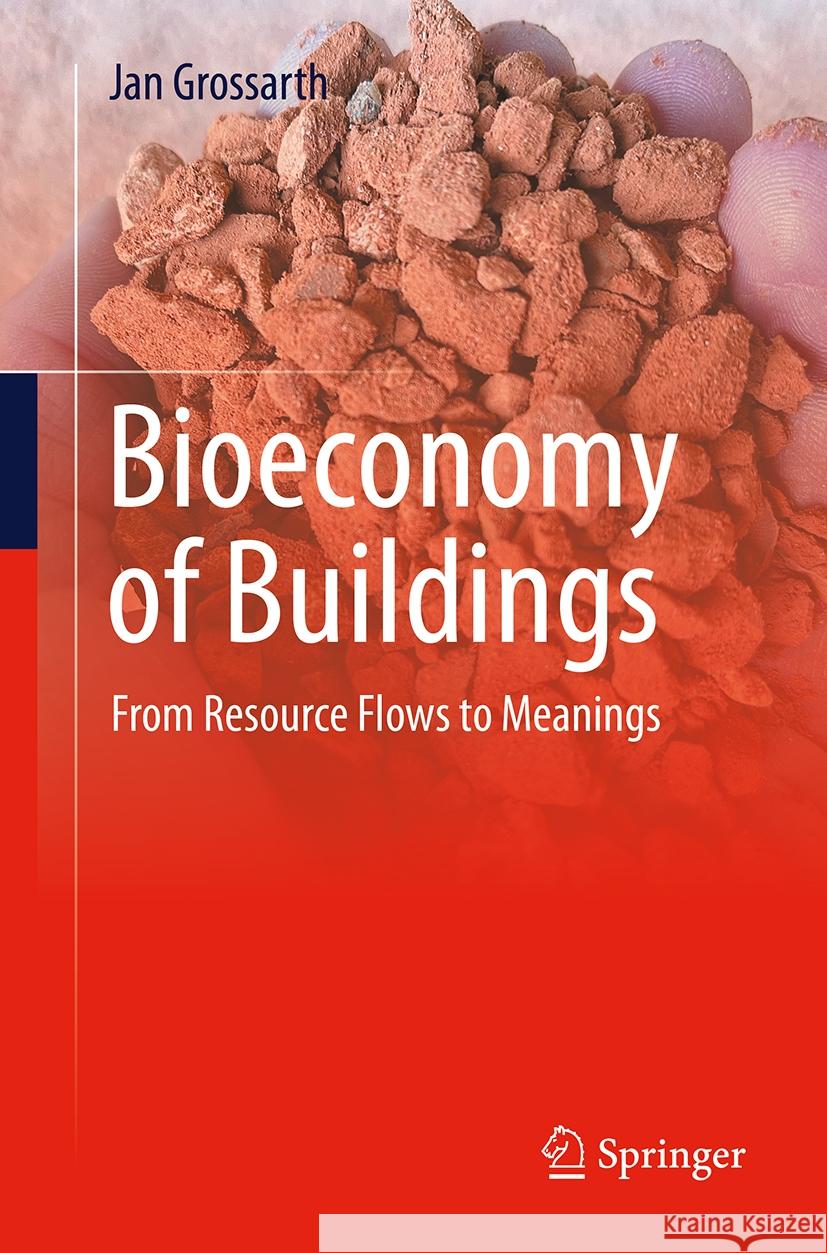
This book looks at how the bioeconomy and circular economy can help make construction more ressource-conserving. The construction sector is at a crossroads, searching for pathways to smarter material use — whether bricks, steel, concrete, or wood. While technical solutions and innovative concepts exist, their widespread adoption lags. This inertia stems not just from technical or economic challenges but also from the deeper, often overlooked layers of social and cultural dynamics: the roles of actors, institutions, and collective perceptions of ecological crises. The book weaves together quantitative insights and qualitative reflections, exploring the rich history of resource-conscious construction while embracing the promise of groundbreaking biotechnological innovations. Can materials like lab-grown bioplastics, innovative cements, recycled components, or renewable resources such as CLT wood and straw bale construction drive progress toward material longevity? What contributions can sustainable architecture — rooted in aesthetics, character, originality, and historical continuity — make to these efforts? What roles do certifications and lifecycle assessments play? This book explores these questions, offering a compelling narrative through the bioeconomy approach, which envisions circular material flows grounded in economic pragmatism. "Since the 1950s, when craftsmanship in construction was replaced by industrial processes, knowledge about the value of materials was supplanted by cheap, poorly applied chemistry. As a result, we built residential developments and suburbs that are not only aesthetically unappealing but also riddled with hazardous waste. [...] This book by Jan Grossarth has several strengths. Firstly, it avoids the trap of suggesting that the future of construction must rely solely on wood and biological materials — eschewing the utopian vision of a 'back to nature' approach to building. Instead, it offers a broad overview of the bewilderingly numerous concepts and ideologies surrounding sustainability, bringing together many promising paths that are emerging in construction." Prof. Michael Braungart
This book looks at how the bioeconomy and circular economy can help make construction more ressource-conserving. The construction sector is at a crossroads, searching for pathways to smarter material use — whether bricks, steel, concrete, or wood. While technical solutions and innovative concepts exist, their widespread adoption lags. This inertia stems not just from technical or economic challenges but also from the deeper, often overlooked layers of social and cultural dynamics: the roles of actors, institutions, and collective perceptions of ecological crises. The book weaves together quantitative insights and qualitative reflections, exploring the rich history of resource-conscious construction while embracing the promise of groundbreaking biotechnological innovations. Can materials like lab-grown bioplastics, innovative cements, recycled components, or renewable resources such as CLT wood and straw bale construction drive progress toward material longevity? What contributions can sustainable architecture — rooted in aesthetics, character, originality, and historical continuity — make to these efforts? What roles do certifications and lifecycle assessments play? This book explores these questions, offering a compelling narrative through the bioeconomy approach, which envisions circular material flows grounded in economic pragmatism. "Since the 1950s, when craftsmanship in construction was replaced by industrial processes, knowledge about the value of materials was supplanted by cheap, poorly applied chemistry. As a result, we built residential developments and suburbs that are not only aesthetically unappealing but also riddled with hazardous waste. [...] This book by Jan Grossarth has several strengths. Firstly, it avoids the trap of suggesting that the future of construction must rely solely on wood and biological materials — eschewing the utopian vision of a 'back to nature' approach to building. Instead, it offers a broad overview of the bewilderingly numerous concepts and ideologies surrounding sustainability, bringing together many promising paths that are emerging in construction." Prof. Michael Braungart




Czytaj nas na:
KrainaKsiazek.PL - Księgarnia Internetowa


