Biodegradation of oil fractions in mangrove sediment » książka





Biodegradation of oil fractions in mangrove sediment
ISBN-13: 9786209444104 / Angielski / Miękka / 2026 / 84 str.
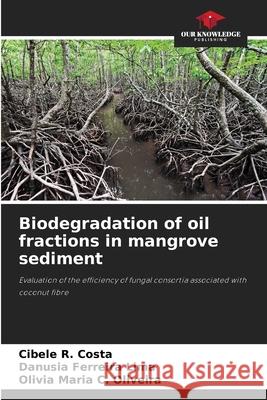
Mangroves are highly sensitive to the harmful effects of oil spills, being one of the main environments where oil converges. Microorganisms are the main agents of carbon cycling in nature, and some of them, such as fungi, have the natural ability to degrade oil fractions. Through associations between these microorganisms, it is possible to achieve complete oil degradation. Coconut fibre is a cheap and abundant raw material that can potentially be used as a nutrient source for these degrading fungi. The objective of this study was to evaluate the efficiency of biodegradation of oil fractions from the Recôncavo Basin, using fungal consortia associated with coconut fibre in mangrove sediment. To this end, a representative sample was collected from a mangrove, from which three experiments were set up, each aimed at degrading different fractions of petroleum. The analyses concluded that the fungal consortia used in each fraction were efficient in biodegradation. Coconut fibre did not demonstrate consolidated behaviour as a nutrient, and the use of fungal capsules proved to be quite effective.




Czytaj nas na:
KrainaKsiazek.PL - Księgarnia Internetowa


