Bio-Electrochemical Conversion of Waste to Fuel » książka





Bio-Electrochemical Conversion of Waste to Fuel
ISBN-13: 9789819543090 / Angielski / Twarda / 2026 / 270 str.
Bio-Electrochemical Conversion of Waste to Fuel
ISBN-13: 9789819543090 / Angielski / Twarda / 2026 / 270 str.
(netto: 932,25 VAT: 5%)
Rabat: -5%
Najniższa cena z 30 dni: 1016,04
30-04-2026
Darmowa dostawa!
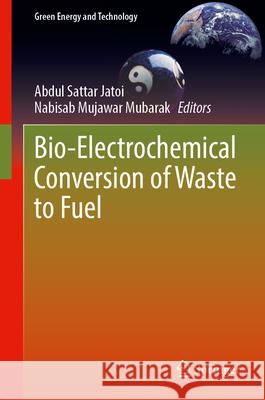
This book presents bio-electrochemical conversion of waste into fuel a cutting-edge process that leverages biological and electrochemical techniques to transform organic waste materials into valuable energy sources. This technology mainly utilizes microorganisms, such as bacteria, capable of decomposing complex organic compounds present in waste. By combining microbial metabolism with electrochemical reactions, waste can be converted into biofuels like hydrogen or methane, along with other valuable products, including organic acids and alcohols. The process generally involves microbial fuel cells (MFCs) or anaerobic digesters, which create optimal conditions for microorganisms to thrive and effectively carry out their conversion activities.This method not only tackles waste management challenges by decreasing landfill usage and lowering greenhouse gas emissions but also enhances energy sustainability. The bio-electrochemical conversion process is regarded as a renewable energy solution, as it can operate on renewable energy sources and supports the circular economy by transforming waste into resources. Current research and advancements in this area are focused on optimizing microbial communities, enhancing energy recovery efficiencies, and scaling up the technology for industrial applications. In summary, bio-electrochemical conversion holds significant potential for influencing waste treatment and energy production, making it a promising field for future exploration and development.




Czytaj nas na:
KrainaKsiazek.PL - Księgarnia Internetowa


