• Wyszukiwanie zaawansowane
  • Kategorie
  • Kategorie BISAC
  • Książki na zamówienie
  • Promocje
  • Granty
  • Książka na prezent
  • Opinie
  • Pomoc
  • Załóż konto
  • Zaloguj się

Becoming a Leader in Product Development: An Evidence-Based Guide to the Essentials » książka


zaloguj się | załóż konto
Logo Krainaksiazek.pl

koszyk

konto

szukaj
topmenu
Księgarnia internetowa
Szukaj
Książki na zamówienie
Promocje
Granty
Książka na prezent
Moje konto
Pomoc
 
 
Wyszukiwanie zaawansowane
Pusty koszyk
Bezpłatna dostawa dla zamówień powyżej 20 złBezpłatna dostawa dla zamówień powyżej 20 zł

Kategorie główne

• Nauka
 [2949524]
• Literatura piękna
 [1817948]

  więcej...
• Turystyka
 [70715]
• Informatyka
 [151291]
• Komiksy
 [35671]
• Encyklopedie
 [23176]
• Dziecięca
 [612440]
• Hobby
 [136066]
• AudioBooki
 [1740]
• Literatura faktu
 [226030]
• Muzyka CD
 [378]
• Słowniki
 [2918]
• Inne
 [445441]
• Kalendarze
 [1181]
• Podręczniki
 [166545]
• Poradniki
 [469898]
• Religia
 [508035]
• Czasopisma
 [502]
• Sport
 [61392]
• Sztuka
 [242759]
• CD, DVD, Video
 [3348]
• Technologie
 [219537]
• Zdrowie
 [98738]
• Książkowe Klimaty
 [124]
• Zabawki
 [2382]
• Puzzle, gry
 [3543]
• Literatura w języku ukraińskim
 [259]
• Art. papiernicze i szkolne
 [7107]
Kategorie szczegółowe BISAC

Becoming a Leader in Product Development: An Evidence-Based Guide to the Essentials

ISBN-13: 9781484272978 / Angielski / Miękka / 2021 / 290 str.
Ebenezer Ikonne
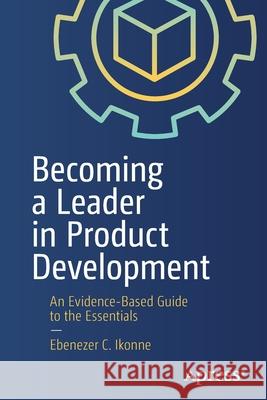
Becoming a Leader in Product Development: An Evidence-Based Guide to the Essentials Ebenezer Ikonne 9781484272978 Apress - książkaWidoczna okładka, to zdjęcie poglądowe, a rzeczywista szata graficzna może różnić się od prezentowanej.

Becoming a Leader in Product Development: An Evidence-Based Guide to the Essentials

ISBN-13: 9781484272978 / Angielski / Miękka / 2021 / 290 str.

Ebenezer Ikonne
cena 192,63
(netto: 183,46 VAT:  5%)

Najniższa cena z 30 dni: 173,46
Termin realizacji zamówienia:
ok. 16-18 dni roboczych.

Darmowa dostawa!
Kategorie:
Nauka, Ekonomia i biznes
Kategorie BISAC:
Business & Economics > Zarządzenie i techniki zarządzania
Computers > Business & Productivity Software - General
Business & Economics > Strategia biznesowa
Wydawca:
Apress
Język:
Angielski
ISBN-13:
9781484272978
Rok wydania:
2021
Ilość stron:
290
Waga:
0.36 kg
Wymiary:
23.39 x 15.6 x 1.37
Oprawa:
Miękka
Wolumenów:
01
Dodatkowe informacje:
Wydanie ilustrowane

Chapter 1 – Why Leaders (31 pages)

o This chapter explains the core concept of leadership. It begins by describing leadership both as a social process between a group of people and a system consisting of the leader(s), followers, and context. The chapter also explains that leadership only occurs with shared direction, alignment, and commitment among a group. While leadership, an emergent property, does not depend solely on what the leader does, the leader(s) still has a large responsibility for leadership to occur. The chapter explains the foundational concepts used throughout the book, like authority, power, and influence. It further demonstrates the relationships between these leadership aspects. Last, the chapter uncovers the difference between bad leadership and management and argues that effective organizational leadership depends on effective management.
o 1.1.   What is Leadership
 1.1.1. Determining Where are We Going
 1.1.2. Working Together
 1.1.3. Being There for Each Other
o 1.2.   Leadership as a System
 1.2.1. Understanding the Context
 1.2.2. Leaders and Followers
 1.2.3. The Role of Leaders
o 1.3.   The Authority, Power, and Influence Cocktail
 1.3.1. Formal Authority
 1.3.2. Informal Authority
 1.3.3. Power
 1.3.4. Influence
 1.3.5. Authority, Power, and Influence Combined
o 1.4.   Bad Leadership and Management
 1.4.1. Bad Leadership
 1.4.2. Management Differs from Leadership
o 1.5.   Software Development Leadership
o 1.6.   Chapter 1 Takeaways
• 2.       Chapter 2 – The Agile Game (19 pages)
• Agile Software Development is the most common form of software development that many software development organizations attempt to practice. Many software development leaders will need to lead in an Agile context. This chapter gives a brief overview of Agile software development and how it differs from traditional software development methods. The chapter presents Agile as more than just a software development method by illustrating how Agile Software Development has cultural levels with tacit assumptions, values, and artifacts. The Agile culture also differs from traditional software cultures, which leaders need to remain aware of. The chapter also goes over the limitations and criticisms of Agile and recommends that leaders leverage the Agile approach to achieve organizational objectives.
o 2.1.   What is Agile
 2.1.1. Brief Review of the History of Agile
 2.1.2. Agile as a Software Development Culture
o 2.2.   Criticisms and Limitations of Agile
 2.2.1. Limitations
 2.2.2. Challenges
o 2.3.   Leading Agile Software Development Teams
o 2.4.   Closing Thoughts
o 2.5.   Chapter 2 Takeaways
• 3.       Chapter 3 – Making Sense of National Culture (28 pages)
• This chapter explores the impact of national culture on leadership practice using Hofstede’s and GLOBE’s national culture dimensions on leadership within groups. In further chapters, the book recommends specific leadership theories and practices. However, these leadership theories will need to take into consideration the leadership expectations of their teams. For example, teams in Nigeria will have different expectations from teams in the United States. Understanding these cultural dimensions helps leaders adopt and adapt leadership practices to fit the national context where they might find themselves. Twenty-first-century software development leaders need to deal with the reality that they have teams composed of people from different countries with different leadership expectations due to globalization. Cross-cultural or even global leadership has become a vital competency for software development leaders. This chapter provides examples of how to lead cross-culturally and provides resources for developing cross-cultural leadership competency.
o 3.1.   National Culture and its Dimensions
 3.1.1. Power Distance
 3.1.2. Individualism
 3.1.3. Masculinity
 3.1.4. Uncertainty Avoidance
 3.1.5. Long-term and Short-term Orientation
 3.1.6. Indulgence and Restraint
 3.1.7. Recap of Hofstede Dimensions
o 3.3.    Leadership Expectations Differ Around the World
o 3.4.    The Impact of Globalization on Cross-Cultural Leadership
o 3.5.    Chapter 3 Takeaways
o  
• 4.       Chapter 4 – Making Sense of Organizational Culture (31 pages)
• In addition to national culture, leaders also need to have the ability to diagnose their organizational culture because an organization’s culture will impact its effectiveness. Leaders who understand their organizational culture can more easily and intentionally influence organizational culture. An organization’s culture(s) will constrain a leader’s behaviors and often determines the expectations of their organization’s members. The leader’s ability to diagnose their organization’s culture provides them the insight they need to intervene in the right spots. It is also essential that leaders recognize that not everyone will view the organization’s culture in the same way—there will be different perspectives on the organization’s culture. The chapter provides leaders with instruments and models to make sense of the organizational cultures they interact with and belong too. Organizational climate is often mistaken for organizational culture, and this chapter explains the difference between the two concepts.
o 4.1.   The Organization
o 4.2.   What is Organizational Culture
 4.2.1. The Integration View
 4.2.2. The Differentiation View
 4.2.3. The Fragmentation View
 4.2.3. Putting It All Together
o 4.3.   Organizational Culture and Typologies
 4.3.1. The Schneider Model
 4.3.2. The Competing Values Framework
 4.3.3. Organizational Culture Recap
o 4.4.   Organizational Climate
o 4.5.   Chapter 4 Takeaways
• 5.       Chapter 5 – Leading through Service (31 pages)
• This chapter introduces servant leadership as the foundational leadership approach for software development leaders to adopt as they lead. It stresses the perspective that the leader’s number one job is to meet the needs of those they lead—through service. The chapter distinguishes between strategic and operational servant leadership and describes which leader activities fall into each category. Software development leaders need to set vision and model productive behaviors while at the same time, making sure that their organization has the resources required for excellence. The chapter dispels the myth that servant leaders do not care about organizational success by pointing out that organizational success and motivated and dedicated team members are not at odds. An aspiring servant leader will learn the essential characteristics and behaviors of servant leaders. Servant leadership is no panacea, so the chapter also exposes software development leaders to the “dark side” of servant leadership. These servant leader behaviors can hinder team growth if the servant leader is not aware of them.
o 5.1.   What is Servant Leadership
 5.1.1. Strategic Servant Leadership
 5.1.2. Operational Servant Leadership
o 5.2.   Servant-leader Characteristics
 5.2.1. Empathy
 5.2.2. Healing
 5.2.3. Awareness
 5.2.4. Persuasion
 5.2.5. Conceptualization
 5.2.6. Foresight
 5.2.7. Stewardship
 5.2.8. Commitment to the Growth of People
 5.2.9. Building Community
o 5.3.   Servant-leader Behaviors
o 5.4.   Servant Leadership’s Dark Side
 5.4.1. Followers' Disempowerment
 5.4.2. Followers' Reliance on the Leader
 5.4.3. Followers' Negligence
 5.4.4. Leaders' Paternalism
 5.4.5. Leaders' Protective Behavior
o 5.5.   Chapter 5 Takeaways
• 6.       Chapter 6 – Servant Leadership in Practice (24 pages)
• This chapter uses stories to illustrate how software development leaders can practice servant leadership to support their software development teams. The Agile approach espouses four values and twelve principles. In this chapter, I use stories to show how leaders can apply servant leader behaviors that bring these values and principles to life in their organization. The chapter highlights the difficulty of supporting Agile software development when the leader does not possess servant leader characteristics. The stories show how servant leader behaviors reinforce Agile values such as a sustainable pace, collaboration, trust, community, and attending to individuals and teams’ needs.
o 6.1.   Leading Software Development Teams through Service
o 6.2.   Meeting the Needs of Individuals and Fostering Healthy Interactions
o 6.3.   Building Community Across Departments
o 6.4.   Increasing Motivation, Support, and Trust
o 6.5.   Preventing Burnout by Maintaining a Sustainable Pace
o 6.6.   Closing Thoughts
• 7.       Chapter 7 – Leading while Adapting (30 pages)
• Software development organizations are open systems that need to respond to internal and external changes. New software development techniques and technologies routinely spring up. The products or services that the software development organization delivers change based on market shifts. And then there is the surprise pandemic. Organizations also must change to move from their current position to a new position if they want to remain relevant. Software development teams often must adopt new ways of working. Many software development leaders impose change in their organization. Software development leaders will learn to identify different forms of challenges and adaptive responses in organizations. This chapter equips leaders with adaptive leadership behaviors to mobilize individuals and teams in their organization. The importance of informal authority in adaptive leadership is stressed, and the limitations and dangers of adaptive leadership identified.
o 7.1.   The Need for Adaptation
o 7.2.    What is Adaptive Leadership
 7.2.1. Technical Challenges
 7.2.2. Adaptive Challenges
 7.2.3. Technical and Adaptive Challenges
o 7.3.   Informal Authority in Adaptive Leadership
o 7.4.    Types of Responses to Adaptive Situations
 7.4.1. We Have Always Done It This Way
 7.4.2. Change Requires Too Much Effort
 7.4.3. We Will Just Copy Everyone Else
 7.4.4. Adapt or Die
o 7.5.   Living Dangerously – The Perils of Adaptive Leadership
o 7.6.   Adaptive Leader Competencies
 7.6.1. Strategic Thinking
 7.6.2. Possess Organizational Knowledge and Interdependencies
 7.6.3. Comfort with Uncertainty and Ambiguity
 7.6.4. Deep Conviction and Humility
o 7.7.    Adaptive Leader Behaviors
 7.7.1. Get on the Balcony
 7.7.2. Identify Adaptive Challenges
 7.7.3. Regulate Distress
 7.7.4. Maintain Disciplined Attention
 7.7.5. Give the Work Back to the People
 7.7.6. Protect Leadership Voices from Below
o 7.8.   Limitations of Adaptive Leadership Theory
o 7.9.   Closing Thoughts
o 7.10.                     Chapter 7 Takeaways
• 8.       Chapter 8 – Adaptive Leadership in Practice (28 pages)
• Like chapter 6 for servant leadership, this chapter shows adaptive leadership, in practice, using two stories. The first story shares how a software development leader worked with her team to adapt to the change in working conditions brought on by the COVID-19 pandemic. The chapter shows the five adaptive leader behaviors throughout the change process for the team. The second story is my story. I share how I had to adapt as I transitioned from my contributor role into a managerial leadership role in this story. This transition required an uncomfortable shift in attitudes and behavior on my part. It also involved some personal risk as my team initially turned their back on me because of my ineffective contribution to the leadership process.
o 8.1.   Gaining Perspective
o 8.2.   Where is Learning Required
o 8.3.   Giving the Work Back to the People
o 8.4.   Making Sure Everyone is Heard
o 8.5.   Keeping Eyes on the Prize
o 8.6.   Keep Calm and Stress Less
o 8.7.   Working from Home - Recap
o 8.8.   Becoming an Adaptive Leader – My Story
 8.8.1. The Promotion
 8.8.2. The Imposition
 8.8.3. The Resistance
 8.8.4. The Awakening
 8.8.5. The Adaptation
• 9.       Chapter 9 – Follow Well, Lead Well (22 pages)
• Many leaders are also followers and spend time following in their organizations. To lead well often means that a leader follows well. This means that leaders also need to develop their followership knowledge, skill, and ability. Leaders need to support their superiors. Leaders also need to have the willingness to follow their peers when their peers have good ideas. Following is simplified when leaders develop rapport and improve their communication with their peers. Last, leaders need to follow their subordinates as well. The two leadership theories covered in this book provide behaviors for following the lead of associates. Leaders who have a hard time following other people may find it difficult to lead others.
o 9.1.   Understanding Followership
o 9.2.   Types of Followers
o 9.3.   Effectively Following Your Leader
 9.3.1. Embrace and Champion Organizational Goals
 9.3.2. Challenge Constructively
 9.3.3. Adapt Your Style
 9.3.4. Tackle Challenges Head-On
 9.3.5. Putting It All Together – Be a Role Model of Followership
o 9.4.   Effectively Following Your Peers
 9.4.1. Be Supportive
 9.4.2. Technical Competence
 9.4.3. Build Rapport
 9.4.4. Communication
o 9.5.   Effectively Following Those You Lead
o 9.6.    Closing Thoughts
o 9.7.   Chapter 9 Takeaways             
• 10.   Chapter 10 – Caring for Self (31 pages)
• The book will not be complete without covering the topic of self-care. Leaders face many challenges as they mobilize their organizations. Many of these challenges are stressful, e.g., letting people go during a pandemic to ensure their company remains viable, addressing intra-team conflict, or delivering a software product in time for a tradeshow. The recommended leadership theories in this book require that leaders emotionally invest themselves in their associates. Leaders who do not take of themselves will inevitably become overwhelmed and struggle to take care of their organization. This chapter talks about the importance of self-care for software development leaders. It uncovers leadership aspects that can make it detrimental to a leader’s health when they adopt the leadership theories promoted in this book. For example, a leader can overextend themselves as they try to serve an individual or a team. When leaders ignore their well-being, it impacts their contribution to the leadership process. The chapter provides leaders with personal and professional self-care practices for maintaining their well-being.
o 10.1.                     Leading is Dangerous Business
o 10.2.                     What is Self-Care
o 10.3.                     Self-Care Practices
 10.3.1.    Personal Self-Care Practices
 10.3.2.    Professional Self-Care Practices
o 10.4.                     Closing Thoughts
o 10.5.                     Chapter 8 Takeaways
• 11.   Chapter 11 – Epilogue (1 page)

Dr. Ebenezer C. Ikonne is a practitioner-academic (pracademic) with over 20 years in product development. He is currently a Product and Engineering leader at Cox Automotive. Ebenezer started his technology career as a network engineer and software developer. He later transitioned into product development leadership and management and has held middle to senior-level leadership and management positions in large organizations, small corporations, and startups.

Ebenezer has extensive experience leading organizational change and understands the complex challenges leaders face in demanding product development contexts. His experience, coupled with his education, provides him with a unique perspective on how 21st-century product development leaders can become more effective.

Ebenezer is passionate about fostering a positive workplace where people thrive.  He regularly speaks on issues relating to leadership, product management, and software development. He publishes content both on LinkedIn and at eikonne.wordpress.com. He has also written for the Cutter Consortium. Ebenezer’s aptly named YouTube channel “Joy at Work” provides practical tips on how anyone can experience joy at work.

You can reach Ebenezer on LinkedIn ( http://linkedin.com/in/ebenezer-ikonne) and Twitter (@eikonne).

It is becoming increasingly challenging for product development leaders to effectively lead as workplace demands continue to increase. The rate of change in technology, society, and business places immense pressure on leaders to ensure their groups move in the direction of their goals. What might have worked in the past no longer works.

Organizational surveys show that firms struggle with leadership. Product development leaders routinely complain of burnout and stress while their teams members complain of workplace dissatisfaction, resulting in organizational underperformance.

The lack of evidence-based leadership literature for product development leaders means that many leaders are left to figure things out with little guidance. They do not have a reliable resource that they can refer to when they face leadership challenges and, as a result, struggle during times of crisis and change. This book addresses this challenge by providing a theory-informed set of techniques for product development leaders.

Becoming a Leader in Product Development provides an evidence-base set of practices for product development leaders. In doing so, it explores what leadership is and the leader's role in the leadership process, the impact of national culture and organizational culture on the leadership process, and the need for product development leaders to practice adaptive and servant leadership, followership, and self-care. The underlying theories for each topic are reviewed and then brought to life through stories and examples.




Udostępnij

Facebook - konto krainaksiazek.pl


Opinie o Krainaksiazek.pl na Opineo.pl

Partner Mybenefit

Krainaksiazek.pl w programie rzetelna firma Krainaksiaze.pl - płatności przez paypal

Czytaj nas na:

Facebook - krainaksiazek.pl
  • książki na zamówienie
  • granty
  • książka na prezent
  • kontakt
  • pomoc
  • opinie
  • regulamin
  • polityka prywatności

Zobacz:

  • Księgarnia czeska

  • Wydawnictwo Książkowe Klimaty

1997-2026 DolnySlask.com Agencja Internetowa

© 1997-2022 krainaksiazek.pl
     
KONTAKT | REGULAMIN | POLITYKA PRYWATNOŚCI | USTAWIENIA PRYWATNOŚCI
Zobacz: Księgarnia Czeska | Wydawnictwo Książkowe Klimaty | Mapa strony | Lista autorów
KrainaKsiazek.PL - Księgarnia Internetowa

Polityka prywatnosci - link
Krainaksiazek.pl - płatnośc Przelewy24
Przechowalnia Przechowalnia




