• Wyszukiwanie zaawansowane
  • Kategorie
  • Kategorie BISAC
  • Książki na zamówienie
  • Promocje
  • Granty
  • Książka na prezent
  • Opinie
  • Pomoc
  • Załóż konto
  • Zaloguj się

Bacteriophages as Drivers of Evolution: An Evolutionary Ecological Perspective » książka


zaloguj się | załóż konto
Logo Krainaksiazek.pl

koszyk

konto

szukaj
topmenu
Księgarnia internetowa
Szukaj
Książki na zamówienie
Promocje
Granty
Książka na prezent
Moje konto
Pomoc
 
 
Wyszukiwanie zaawansowane
Pusty koszyk
Bezpłatna dostawa dla zamówień powyżej 20 złBezpłatna dostawa dla zamówień powyżej 20 zł

Kategorie główne

• Nauka
 [2952079]
• Literatura piękna
 [1850969]

  więcej...
• Turystyka
 [71058]
• Informatyka
 [151066]
• Komiksy
 [35579]
• Encyklopedie
 [23181]
• Dziecięca
 [620496]
• Hobby
 [139036]
• AudioBooki
 [1646]
• Literatura faktu
 [228729]
• Muzyka CD
 [379]
• Słowniki
 [2932]
• Inne
 [445708]
• Kalendarze
 [1409]
• Podręczniki
 [164793]
• Poradniki
 [480107]
• Religia
 [510956]
• Czasopisma
 [511]
• Sport
 [61267]
• Sztuka
 [243299]
• CD, DVD, Video
 [3411]
• Technologie
 [219640]
• Zdrowie
 [100984]
• Książkowe Klimaty
 [124]
• Zabawki
 [2281]
• Puzzle, gry
 [3363]
• Literatura w języku ukraińskim
 [258]
• Art. papiernicze i szkolne
 [8020]
Kategorie szczegółowe BISAC

Bacteriophages as Drivers of Evolution: An Evolutionary Ecological Perspective

ISBN-13: 9783030943080 / Angielski / Twarda / 2022
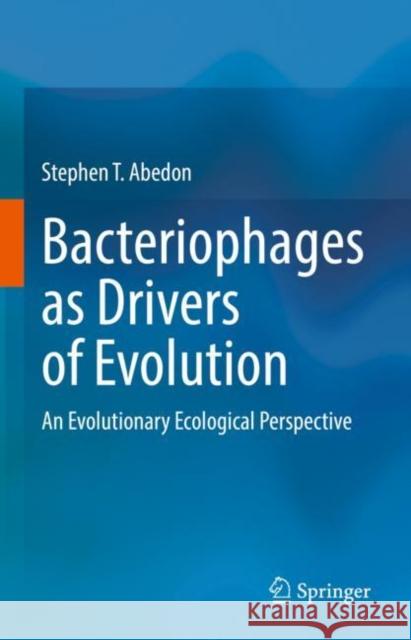
Stephen T. Abedon
Bacteriophages as Drivers of Evolution: An Evolutionary Ecological Perspective Abedon, Stephen T. 9783030943080 Springer International Publishing - książkaWidoczna okładka, to zdjęcie poglądowe, a rzeczywista szata graficzna może różnić się od prezentowanej.

Bacteriophages as Drivers of Evolution: An Evolutionary Ecological Perspective

ISBN-13: 9783030943080 / Angielski / Twarda / 2022

Stephen T. Abedon
cena 563,56
(netto: 536,72 VAT:  5%)

Najniższa cena z 30 dni: 539,74
Termin realizacji zamówienia:
ok. 22 dni roboczych.

Darmowa dostawa!
inne wydania

This monograph emphasizes the many facets of bacterial evolution as impacted by bacterial interactions with phages, as well as, to a lesser degree, the evolutionary impact of phages on other organisms, including other phages. 
The book starts with a general overview of bacteriophages. Topics discussed in detail include but are not limited to mutagenesis, migration, natural selection and genetic drift as the drivers of evolution as well as an extensive discussion from the author’s unique perspective on phage ecology. 

Kategorie:
Nauka, Biologia i przyroda
Kategorie BISAC:
Medical > Microbiology
Science > Mikrobiologia
Wydawca:
Springer International Publishing
Język:
Angielski
ISBN-13:
9783030943080
Rok wydania:
2022
Waga:
0.84 kg
Wymiary:
23.5 x 15.5
Oprawa:
Twarda

Part I.                  Introductions

1         Bacteriophages, a Brief Introduction

                                                                                  1.1      Introduction to Phages and Their Biology

                                                                                  1.2      Most Phages Lyse Their Hosts to Release Virion Progeny

                                                                                  1.3      Some Variations on the Concept of Lysogeny

                                                                                  1.4      Phage Infections Start with Adsorption

                                                                                  1.5      Some Phages Can Transport Bacterial DNA between Bacteria via Transduction

References

2         A Closer Overview of Phage Infections

                                                                                  2.1      Lytic Cycles Kill Bacteria but also Produce New Phage Virions

                                                                                  2.2      Some Vagaries of Lysogenic Cycles

                                                                                  2.3      Looking at Lysogenic Cycles from Ecological Perspectives

                                                                                  2.4      Looking at Lysogenic Cycles from Evolutionary Perspectives

                                                                                  2.5      Chronic Cycles Release New Phage Virions without Killing Host Bacteria

References

3         Evolution Biology Basics

                                                                                  3.1      Introduction to Evolution

                                                                                  3.2      The No-Evolution Default Assumption

                                                                                  3.3      Natural Selection and Darwinian Fitness: Relative and Absolute

References

4         Brief Introduction to Phage Ecology

                                                                                  4.1      Phage Organismal Ecology

                                                                                  4.2      Phage Population Ecology

                                                                                  4.3      Phage Community Ecology

                                                                                  4.4      Prophages Are at the Interface of Phage Population and Community Ecologies

                                                                                  4.5      Mobile Genetic Elements Parasitizing Phages

References

Part II.                Mutation, Genetic Drift, and Non-Random Mating

5         Bacterial Mutation Associated with Phages: Insertion

                                                                                  5.1      Mutations, Mutants, Mutagenesis

                                                                                  5.2      Secondary Insertion Sites

                                                                                  5.3      For Phage Mu, Insertional Mutagenesis Is a Key Aspect of Its Infection Cycle

                                                                                  5.4      CRISPR Spacer Sequences Are and Are Not Insertion Mutations

References

6         Bacterial Mutation Associated with Phages: Deletions

                                                                                  6.1      Pseudogenes

                                                                                  6.2      Genomic Immunity against Prophages?

                                                                                  6.3      Evidence for the Existence of Genomic Immunity?

                                                                                  6.4      Just How Dangerous are Prophages?

                                                                                  6.5      Just How Dangerous Are Pseudogenes?

                                                                                  6.6      Bacterial Chromosomal Rearrangements and Prophages

References

7         Genetic Drift and Phages

                                                                                  7.1      Stochasticism versus Determinism

                                                                                  7.2      Sampling Error

                                                                                  7.3      Reduction of Bacterial Population Size: Genetic Bottlenecking

                                                                                  7.4      Potential Impact of Spatial Structure: Founder Effects

References

8         Phages and sexual Bacterial Populations

                                                                                  8.1      Introducing Some Natural Selection: Genetic Hitchhiking

                                                                                  8.2      Muller’s Ratchet

References

9         Phage Impact on Non-Random Mating Among Bacteria

                                                                                  9.1      Transduction and Panmixis

                                                                                  9.2      Various Limitations on Random Mating

                                                                                  9.3      Bacterial Retention of Transduced DNA

                                                                                  9.4      What Happens If There Is No Horizontal Gene Transfer within Populations?

References

Part III.              Genetic Migration

10     Genetic Migration and Phages

                                                                              10.1      Phage-Mediated Introduction of New Alleles into Bacterial Populations

                                                                              10.2      Assortative Mating Introduced by Phages

                                                                              10.3      Reciprocal versus Non-reciprocal Transduction

                                                                              10.4      Direct and Indirect Reciprocal Transduction

                                                                              10.5      Stabilizing versus Disruptive Transduction

References

11     Reproductive Isolation and Its Violation by Phages

                                                                              11.1      Barriers to Transduction as Defining Bacterial Species?

                                                                              11.2      Zones of Paralogy

                                                                              11.3      All the World’s a Phage

                                                                              11.4      Moron Accretion

References

12     Phage-Provided Environmental DNA and Superspreading

                                                                              12.1      Uptake of Naked DNA

                                                                              12.2      Phage-Generation of eDNA

                                                                              12.3      Phages as Mediators of ‘Superspreading’

                                                                              12.4      Temperate Phages as Generators of eDNA

References

13     Transduction of Large Amounts of DNA

                                                                              13.1      Generalized Transduction

                                                                              13.2      Homologous Recombination versus Illegitimate Recombination

                                                                              13.3      Genomic Islands

References

Part IV.             Prophage-Encoding of Bacterium-Expressed Genes

14     Phage Morons

                                                                              14.1      What Is a Moron? (Narrow Sense)

                                                                              14.2      What Isn’t a Moron? (Narrow Sense)

                                                                              14.3      Limitations on Phage Acquisition of Additional Genes

                                                                              14.4      Morons as Lysogenic Converting Genes

References

15     Why Lysogenic Conversion?

                                                                              15.1      More than Lytic Cycle Buttressing of Accessory Gene Encoding?

                                                                              15.2      A Plethora of Possible Selective Mechanisms

                                                                              15.3      Indirect Selection for Lysogenic Conversion

                                                                              15.4      Direct selection for Lysogenic Conversion

                                                                              15.5      Lysogenic Conversion and Ecotypes

                                                                              15.6      Phage-Encoded Phage Resistance

References

16     Prophages Preventing Phage Superinfection

                                                                              16.1      Superinfection Immunity

                                                                              16.2      Superinfection Exclusion

                                                                              16.3      Prophage Encoding of Other Phage-Resistance Mechanisms

References

17     Domestication of Phage Genes

                                                                              17.1      Merging of Genomes

                                                                              17.2      Merging of Phage Genomes

                                                                              17.3      Merging of Phage and Bacterial Genomes

                                                                              17.4      Phage Gene Domestication without Prophage Integration

                                                                              17.5      Getting Rid of Plasmid Prophage Genes?

References

Part V.               Phage Resistance

18     Resistance to Phages, Part I: Overview

                                                                              18.1      Categorizing Phage-Resistance by Outcomes

                                                                              18.2      Avoidance of Phage Infection

                                                                              18.3      Negation of Phage Infections

                                                                              18.4      Bacterial Self-Sacrifice upon Phage Infection

                                                                              18.5      Delay of Phage Propagation

                                                                              18.6      Summary

References

19     Resistance to Phages, Part II: Bacteria Live!

                                                                              19.1      Avoidance of Phage Genome Uptake

                                                                              19.2      Negating Phage Infections Soon after Initiation

References

20     Resistance to Phages, Part III: Bacteria Die…

                                                                              20.1      The Bacterial Self-Sacrifice of Abortive Infections

                                                                              20.2      Delay: Slowing Down Phage Population Growth

References

21     Bacterial Mutation to Phage Resistance

                                                                              21.1      A Plethora of Possible Targets of Mutation?

                                                                              21.2      Rates of Mutation to Resistance

                                                                              21.3      A Wee Bit of Advice

References

22     Pleiotropic Costs of Phage Resistance

                                                                              22.1      Antagonistic Pleiotropies

                                                                              22.2      Some History

                                                                              22.3      A Sampling of More Modern Studies

References

Part VI.             Natural Selection

23     Concepts of Natural Selection in Light of Phage Exposure

                                                                              23.1      Higher Fitness

                                                                              23.2      Beneficial Alleles and Adaptation

                                                                              23.3      Historical Contingencies

                                                                              23.4      Hard Selection and Soft Selection

                                                                              23.5      Coevolution

References

24     Frequency-Dependent Selection in Light of Phage Exposure

                                                                              24.1      Ecological versus Evolutionary: Three Distinctions

                                                                              24.2      Stabilizing, Disruptive, Polymorphic, Monomorphic

                                                                              24.3      Disruptive Frequency-Dependent Selection—Extracellular Toxins

                                                                              24.4      Disruptive Frequency-Dependent Selection—Induced Prophages

                                                                              24.5      Frequency Dependence or Instead Density Dependence?

                                                                              24.6      Stabilizing Frequency-Dependent Selection Involving Phages

                                                                              24.7      Killing the Winner

                                                                              24.8      Stabilizing Frequency-Dependent Selection Mimicking Muller’s ratchet?

References

25     A Primer on Phage-Bacterium Antagonistic Coevolution

                                                                              25.1      Preamble

                                                                              25.2      Introduction to Coevolution and Antagonistic Coevolution

                                                                              25.3      Short Historical Overview of Phage-Bacterium Antagonistic Coevolution

                                                                              25.4      Brief Primer on Phage-Bacterium Antagonistic Coevolution

                                                                              25.5      Different Faces of Phage-Bacterium Antagonistic Coevolution

                                                                              25.6      An Indefinite Series of Coevolutionary Change?

                                                                              25.7      Coda

References

​

Stephen T. Abedon, Department of Microbiology, The Ohio State University

This monograph emphasizes the many facets of bacterial evolution as impacted by bacterial interactions with phages, as well as, to a lesser degree, the evolutionary impact of phages on other organisms, including other phages. 

The book starts with a general overview of bacteriophages. Topics discussed in detail include but are not limited to mutagenesis, migration, natural selection and genetic drift as the drivers of evolution as well as an extensive discussion from the author’s unique perspective on phage ecology. 



Udostępnij

Facebook - konto krainaksiazek.pl


Opinie o Krainaksiazek.pl na Opineo.pl

Partner Mybenefit

Krainaksiazek.pl w programie rzetelna firma Krainaksiaze.pl - płatności przez paypal

Czytaj nas na:

Facebook - krainaksiazek.pl
  • książki na zamówienie
  • granty
  • książka na prezent
  • kontakt
  • pomoc
  • opinie
  • regulamin
  • polityka prywatności

Zobacz:

  • Księgarnia czeska

  • Wydawnictwo Książkowe Klimaty

1997-2026 DolnySlask.com Agencja Internetowa

© 1997-2022 krainaksiazek.pl
     
KONTAKT | REGULAMIN | POLITYKA PRYWATNOŚCI | USTAWIENIA PRYWATNOŚCI
Zobacz: Księgarnia Czeska | Wydawnictwo Książkowe Klimaty | Mapa strony | Lista autorów
KrainaKsiazek.PL - Księgarnia Internetowa

Polityka prywatnosci - link
Krainaksiazek.pl - płatnośc Przelewy24
Przechowalnia Przechowalnia





