Autonomy and Mental Disorder » książka





Autonomy and Mental Disorder
ISBN-13: 9780199595426 / Angielski / Miękka / 2012 / 288 str.
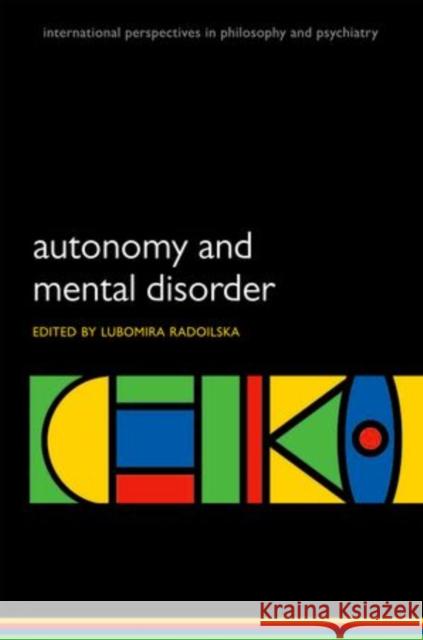
Autonomy is a fundamental though contested concept in both philosophy as well as in the broader intellectual culture of today's liberal societies. For instance, most of us place great value on the opportunity to make our own decisions and to be able to lead a life of our own choosing. Yet, there is stark disagreement on what is involved in being able to decide autonomously, as well as how important this is compared with other commitments, for example in cases where our membership of a particular group means we cannot make decisions for ourself but have to do so collectively. In particular, mental disorder is routinely assumed to put a strain on autonomy. However, it is unclear whether this is effectively the case and, if so, whether this is due to the nature of mental disorder or of the social stigma that is often attached to it. 'Autonomy and Mental Disorder' is the first exploration into the nature and scope of personal autonomy with reference to mental disorder. By reflecting on instances of mental disorder where autonomy is apparently compromised, it offers a systematic discussion of the underlying presuppositions of the present autonomy debates in philosophy, law, and psychiatry. In so doing, it helps address different kinds of emerging scepticism questioning either the appeal of autonomy as a concept or its relevance to specific areas of normative ethics, including psychiatric ethics. The book includes chapters focused on key methodological and substantive assumptions about personal autonomy and mental disorder (Part I); significant links between the concepts of mental disorder, freedom, and rationality (Part II); possible tensions between respect for autonomy and further values in the context of decisional capacity assessments (Part III) and; promising accounts of autonomy with reference to mental disorder (Part IV). Including chapters from a range of leading figures from medicine and the humanities, this is an important and t




Czytaj nas na:
KrainaKsiazek.PL - Księgarnia Internetowa


