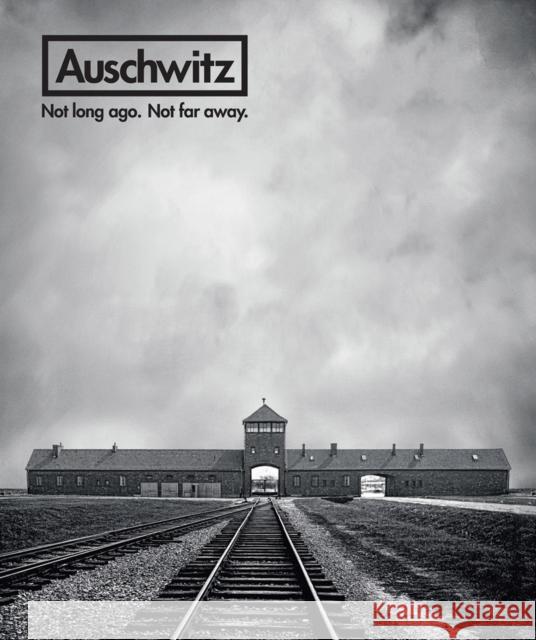
Starred Review"In 2001, the Museum of Jewish Heritage opened in lower Manhattan, in sight of Ellis Island and the Statue of Liberty. Now the third-largest Holocaust museum in the world, it has devoted three of its floors to a major traveling exhibit. Historian van Pelt (Auschwitz: 1270 to the Present) offers not only a catalog of the exhibit but an authoritative history of the transformation of the small Polish village named after the Aramaic word for guests to a Nazi death camp where 1.1 million people were killed. As visitors approach the exhibit, they are confronted by a German National Railway freight car similar to the ones that carried men, women, and children to the camps. They then walk through hundreds of photographs, maps, architectural plans, works of art, artifacts-ragged shoes, coats, dresses, prisoners' uniforms, a trumpet played by a jazz musician-and even a reconstruction of an Auschwitz barracks. The items come from the museum's collection as well as from Poland's Auschwitz-Birkenau State Museum and more than 20 other institutions and private collections from around the world. Whether readers have visited the Auschwitz museum or are experiencing it here for the first time, this comprehensive yet accessible work presents a sobering history. Highly recommended for both public and academic libraries. --Library Journal
van Pelt, Robert Jan Robert Jan van Pelt is chief curator of the exhibition Auschwitz: Not Long Ago. Not Far Away. Van Pelt, professor of cultural history in the School of Architecture at the University of Waterloo, is known internationally as one of the leading authorities on the history and architecture of the Auschwitz concentration camp. In 1997-98, he presided over the team that developed the master plan to preserve the camp, and in 2000 he served as expert witness for the defense in the famous libel case instigated by the British historian and Holocaust denier David Irving. Born in Haarlem, Van Pelt has published several books on Auschwitz, including the award-winning Auschwitz: 1270 to the Present (with Debórah Dwork) and The Case for Auschwitz. He co-curated the exhibition The Evidence Room, displayed at the Venice Biennale in 2016.