• Wyszukiwanie zaawansowane
  • Kategorie
  • Kategorie BISAC
  • Książki na zamówienie
  • Promocje
  • Granty
  • Książka na prezent
  • Opinie
  • Pomoc
  • Załóż konto
  • Zaloguj się

Application of Basic Neuroscience to Child Psychiatry » książka


zaloguj się | załóż konto
Logo Krainaksiazek.pl

koszyk

konto

szukaj
topmenu
Księgarnia internetowa
Szukaj
Książki na zamówienie
Promocje
Granty
Książka na prezent
Moje konto
Pomoc
 
 
Wyszukiwanie zaawansowane
Pusty koszyk
Bezpłatna dostawa dla zamówień powyżej 20 złBezpłatna dostawa dla zamówień powyżej 20 zł

Kategorie główne

• Nauka
 [2946350]
• Literatura piękna
 [1816154]

  więcej...
• Turystyka
 [70666]
• Informatyka
 [151172]
• Komiksy
 [35576]
• Encyklopedie
 [23172]
• Dziecięca
 [611458]
• Hobby
 [135995]
• AudioBooki
 [1726]
• Literatura faktu
 [225763]
• Muzyka CD
 [378]
• Słowniki
 [2917]
• Inne
 [444280]
• Kalendarze
 [1179]
• Podręczniki
 [166508]
• Poradniki
 [469467]
• Religia
 [507199]
• Czasopisma
 [496]
• Sport
 [61352]
• Sztuka
 [242330]
• CD, DVD, Video
 [3348]
• Technologie
 [219391]
• Zdrowie
 [98638]
• Książkowe Klimaty
 [124]
• Zabawki
 [2382]
• Puzzle, gry
 [3525]
• Literatura w języku ukraińskim
 [259]
• Art. papiernicze i szkolne
 [7107]
Kategorie szczegółowe BISAC

Application of Basic Neuroscience to Child Psychiatry

ISBN-13: 9781461278498 / Angielski / Miękka / 2011 / 420 str.
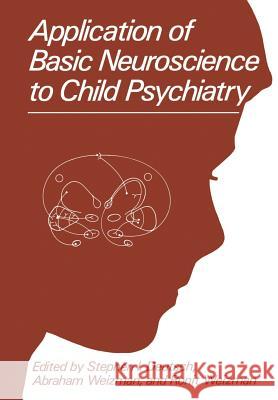
S. I. Deutsch; A. Weizman;R. Weizman
Application of Basic Neuroscience to Child Psychiatry S. I. Deutsch A. Weizman R. Weizman 9781461278498 Springer - książkaWidoczna okładka, to zdjęcie poglądowe, a rzeczywista szata graficzna może różnić się od prezentowanej.

Application of Basic Neuroscience to Child Psychiatry

ISBN-13: 9781461278498 / Angielski / Miękka / 2011 / 420 str.

S. I. Deutsch; A. Weizman;R. Weizman
cena 201,24
(netto: 191,66 VAT:  5%)

Najniższa cena z 30 dni: 192,74
Termin realizacji zamówienia:
ok. 16-18 dni roboczych.

Darmowa dostawa!

The idea for this book developed during the course of several discussions among the editors while we were working together as staff scientists in the laboratories of the Clinical Neuro science Branch of the National Institute of Mental Health. It was a happy coincidence that the three of us, child psychiatrists with predominantly clinical interests, selected a collaborative bench research project involving neurotransmitter receptor characterization and regulation. We appreciated the relevance of our work to child psychiatry and wished for a forum to share the excitement we enjoyed in the laboratory with our clinical colleagues. Moreover, it seemed to us that much of the pharmacological research in child psychiatry proceeded on an empirical basis, often without a compelling neurochemical rationale. This could reflect the paucity of neurochemical data that exists in child psychiatry and the very limited understanding of the pathophysiology in most psychiatric disorders that occur in childhood. Also, we bemoaned the fact that there was a virtual absence of meaningful interchange between clinical investigators in child psychiatry and their colleagues in the neurosciences. We believed that an edited book appealing to clinicians and basic scientists could serve as an initial effort to foster interchange between them. The editors wish to emphasize that this book is viewed as only a beginning in the process of interchange that must take place."


Kategorie:
Nauka, Biologia i przyroda
Kategorie BISAC:
Medical > Psychiatria
Medical > Neuroscience
Medical > Zdrowie publiczne
Wydawca:
Springer
Język:
Angielski
ISBN-13:
9781461278498
Rok wydania:
2011
Wydanie:
Softcover Repri
Ilość stron:
420
Waga:
0.72 kg
Wymiary:
17.1 x 28.3 x 2.7
Oprawa:
Miękka
Wolumenów:
01
Dodatkowe informacje:
Wydanie ilustrowane

1. Introduction.- 2. Brain Imaging Studies of Autism.- 3. Regulation of Neuritic Extension.- 4. Transplantation and Cellular Replacement Therap.- References.- I. BASIC NEUROSCIENCE CONSIDERATIONS.- 1. Molecular Neurobiology and Disorders of Brain Development.- 1. Introduction.- 2. Mendelian Genetics.- 3. DNA, RNA, and Protein.- 4. DNA Cloning.- 5. Applications of Molecular Biology for Child Psychiatry.- 6. Conclusions.- References.- 2. Neurotransmitter Assessment in Neuropsychiatric Disorders of Childhood.- 1. Introduction.- 2. Review of Past Findings.- 3. Methodology.- 4. Future Directions.- 5. Conclusion.- References.- 3. Role of the GABA-Benzodiazepine Receptor Complex in Stress: In Vivo Approaches and Potential Relevance to Childhood Psychopathology.- 1. Introduction.- 2. Structural and Functional Considerations of the Benzodiazepine-GABA Receptor Complex.- 3. Genetic Strain Differences and Environmental Stress-Induced Alterations in the Benzodiazepine-GABA Receptor Complex.- 4. In Vivo Approach to the Measurement of Benzodiazepine Receptor Binding and Stress-Induced Alterations with Radiolabeled Rol5-1788.- 5. Conclusion.- References.- 4. Brain Recognition Sites for Methylphenidate and the Amphetamines: Their Relationship to the Dopamine Transport Complex, Glucoreceptors, and Serotonergic Neurotransmission in the Central Nervous System.- 1. Neuropharmacology of Stimulants.- 2. Stimulant Recognition Sites Associated with the Brain Dopamine Uptake Complex: Potential Probes of Presynaptic Dopaminergic Neurotransmission in Human Psychopathology.- 3. Stimulant Recognition Sites Associated with Brain Glucoreceptors and Neuronal (Na+, K+)-ATPase.- 4. Brain Recognition Sites for Stimulants That Influence Serotonergic Neurotransmission.- 5. Conclusion.- References.- 5. Neuropeptide Modulation of Development and Behavior: Implications for Psychopathology.- 1. Introduction.- 2. Organizational Endocrine/Peptide Influence.- 3. ?3-Endorphin and Birth.- 4. ?3-Endorphin and Birth Complications.- 5. Behavior of Animals Exposed Perinatally to ?3-Endorphin.- 6. Enduring Brain/Behavior Complications Related to Hypoxia.- 7. Patients with SIB Have Elevated Concentrations of ?3-Endorphin in CSF and Plasm.- 8. Treatment of SIB with Opiate Antagonists.- 9. Conclusion.- 10. Models Extending the Implications.- References.- 6. Drug Discrimination Studies in Animals: A Behavioral Approach to Understanding the Role of Neurotransmitter Receptor Complexes in Mediating Drug Effects.- 1. Animal Models in Behavioral Pharmacology.- 2. Animal Models of Depression.- 3. Drug Discrimination in Behavioral Pharmacology.- 4. The Drug Discrimination Procedure.- 5. Implications of Drug Discrimination.- 6. Exteroceptive versus Interoceptive Stimuli.- 7. Drug Discrimination with Conditioned Taste Aversions.- 8. PCP as a Discriminative Stimulus in Taste Aversions.- 9. Drug Discrimination with Naloxone.- References.- 7. The Platelet as a Peripheral Model of Serotonergic Function in Child Psychiatry.- 1. Introduction.- 2. [3H]Imipramine Binding Sites.- 3. [3H]Imipramine Binding in Affective Disorders.- 4. [3H]Imipramine Binding and Serotonin Uptake in Obsessive-Compulsive Disorder.- 5. Platelet Imipramine Binding in Conduct Disorder.- 6. Imipramine Binding and Serotonin Uptake in Schizophrenia and Autism.- 7. Imipramine Binding and Serotonin Uptake in Enuresis.- References.- 8. Neuroendocrine Abnormalities in Autism and Schizophrenic Disorder of Childhood.- 1. Introduction.- 2. Neuroendocrinology of Schizophrenia.- 3. Neuroendocrinology of Autism.- 4. Conclusions.- References.- 9. Autoimmune Dysfunction in Neurodevelopmental Disorders of Childhood.- 1. Introduction.- 2. Alterations in Immune Responsiveness.- 3. Alterations in Self/Non-Self Recognition.- References.- 10. Nonketotic Hyperglycinemia: A Paradigm for the Application of Neuroscience to the Understanding and Treatment of a Developmental Disorder.- 1. Introduction.- 2. Biochemical Considerations of Nonketotic Hyperglycinemia.- 3. Heterogeneity of Clinical Expression: Nonketotic Hyperglycinemia as a Cause of Unexplained Developmental Delay.- 4. Therapeutic Interventions in Nonketotic Hyperglycinemia.- 5. Conclusions.- References.- II. APPLICATION TO SPECIFIC CLINICAL DISORDERS.- 11. Genetic Causes of Autism and the Pervasive Developmental Disorders.- 1. Introduction: Genetic Research on Autism and the Pervasive Developmental Disorders.- 2. Elements Basic to Clinical Genetic Research.- 3. Congenital Etiologies of Autism: Prenatal, Perinatal, and Postnatal Hazards and Obstacles to the Differentiation of Their Genetic and Nongenetic Origins.- 4. Chromosomal Abnormalities in Autism.- 5. Single Gene Disorders Associated with the Autistic Syndrome.- 6. Simple Mendelian versus Polygenic, Multifactorial Etiologies: Twin Studies and Familial Aggregation Research on Autism and the Pervasive Developmental Disorders.- 7. Potential Biological Markers for Autism.- 8. Linkage Analysis Research: Gene Mapping and the Pervasive Developmental Disorders.- 9. Progress Achieved and Anticipated.- References.- 12. Biological Studies of Schizophrenia with Childhood Onset.- 1. Introduction and Definition.- 2. Epidemiology.- 3. Studies Pertaining to the Central Nervous System.- 4. Laboratory Studies.- 5. Psychological Testing.- 6. Neurophysiological and Neuropsychological Studies.- 7. Clinical Presentation and Treatment Response.- 8. Studies of Children at Risk of Developing Schizophrenia.- 9. Comments and Some Directions for Future Investigations.- References.- 13. Biological Studies of Attention-Deficit Disorder.- 1. Dopamine Theory.- 2. Noradrenergic Hypothesis.- 3. Serotonergic Hypothesis.- 4. Other Neurotransmitter Systems Implicated in the Pathophysiology or Pharmacotherapy of Attention-Deficit Disorder.- References.- 14. Biochemical and Genetic Studies of Tourette’s Syndrome: Implications for Treatment and Future Research.- 1. Overview.- 2. Natural History.- 3. Family and Twin Studies.- 4. Neuroanatomical Correlates.- 5. Pathophysiologic Mechanisms.- 6. Conclusion.- References.- 15. Obsessive-Compulsive Disorder: Neurologic and Neuroanatomic Perspectives.- 1. Introduction.- 2. Association with Cerebral Insult.- 3. Evidence from Tourette’s Syndrome.- 4. Neurological and Neuropsychological Findings.- 5. Electroencephalography.- 6. Computed Tomography.- 7. Positron-Emission Tomography.- 8. Integrating the Evidence.- 9. Future Directions.- References.- 16. Neurochemical and Neuroendocrine Considerations of Obsessive-Compulsive Disorders in Childhood.- 1. Introduction.- 2. Serotonin.- 3. Other Neurotransmitters.- 4. Neuroendocrine Aspects of OCD.- 5. Hormone Treatment.- 6. Other Hormonal Systems.- 7. Animal Grooming and ACTH.- 8. Basal Ganglia Dysfunction in OCD.- 9. Basal Ganglia Model.- References.- 17. The Genetics of Affective Disorder.- 1. Introduction.- 2. Evidence for Genetic Etiology of Affective Disorders.- 3. Family Studies.- 4. Linkage Studies.- 5. Future Directions.- 6. Summary.- References.- 18. Biochemical Correlates of Auto-Aggressive Behavior: Inferences from the Lesch-Nyhan Syndrome.- 1. Introduction.- 2. Clinical Description.- 3. Biochemical Studies.- 4. Biochemical Pathogenesis of the Central Nervous System Manifestations.- 5. Experimental Approaches to Therapy.- 6. Future Directions.- References.- 19. Biochemical Studies of Suicide.- 1. Introduction.- 2. Postmortem Findings in Suicide Victims.- 3. CSF Studies of Suicide Attempters.- 4. Peripheral Studies in Suicide Attempters.- 5. Neuroendocrine Studies.- 6. Conclusions.- References.- 20. Relationship of Down’s Syndrome to Alzheimer’s Disease.- 1. Introduction.- 2. Delayed and Abnormal Brain Development in Down’s Syndrome.- 3. Dementia and Neuropathology in Alzheimer’s Disease.- 4. Alzheimer Neuropathology in Down’s Syndrome.- 5. Dementia in Down’s Syndrome.- 6. Relationship between Neuropathology and Dementia in Down’s Syndrome.- 7. Neurochemical Abnormalities and Dementia.- 8. Metabolic and Other Abnormalities.- 9. Aging.- 10. Genetic Factors.- 11. Conclusions.- References.- III. EVALUATION, DRUG DEVELOPMENT, AND ETHICAL CONSIDERATIONS.- 21. Neuropsychological Evaluation of Children.- 1. Issues in Clinical Child Neuropsychology.- 2. Distinguishing Features of Child Neuropsychology.- 3. The Evaluation Procedure.- 4. Case Studies.- 5. Concluding Remarks.- References.- 22. Evaluation of the Violent Adolescent.- 1. Introduction.- 2. Neurologic History.- 3. Neurologic Examination.- 4. Electroencephalogram, Epilepsy, Complex Partial Seizures, Postictal State, and Violence.- 5. Neuropsychological Testing.- 6. Positron-Emission Tomography.- 7. Summary.- References.- 23. Novel Drug Development in the Developmental Disorders.- 1. Introduction.- 2. Developmental Disorders.- 3. Autism: Neuropsychological, Neurophysiological, and Neurobiological Correlates.- 4. Framework for Drug Development in the Developmental Disorders.- 5. Prototypic Agents for the Developmental Disorders.- 6. Comments on Clinical Trials in Autism.- References.- 24. Ethical Issues in Research in Child Psychiatry.- 1. Introduction.- 2. Therapeutic and Nontherapeutic Research.- 3. Are Children the Best or Only Possible Subjects?.- 4. What Are “Minimal Risks” for Children?.- 5. Legal and Moral Boundaries of Parental Authority.- 6. Assent, Consent, and Permission: The Child’s Role.- 7. Conclusions.- References.


Udostępnij

Facebook - konto krainaksiazek.pl


Opinie o Krainaksiazek.pl na Opineo.pl

Partner Mybenefit

Krainaksiazek.pl w programie rzetelna firma Krainaksiaze.pl - płatności przez paypal

Czytaj nas na:

Facebook - krainaksiazek.pl
  • książki na zamówienie
  • granty
  • książka na prezent
  • kontakt
  • pomoc
  • opinie
  • regulamin
  • polityka prywatności

Zobacz:

  • Księgarnia czeska

  • Wydawnictwo Książkowe Klimaty

1997-2026 DolnySlask.com Agencja Internetowa

© 1997-2022 krainaksiazek.pl
     
KONTAKT | REGULAMIN | POLITYKA PRYWATNOŚCI | USTAWIENIA PRYWATNOŚCI
Zobacz: Księgarnia Czeska | Wydawnictwo Książkowe Klimaty | Mapa strony | Lista autorów
KrainaKsiazek.PL - Księgarnia Internetowa

Polityka prywatnosci - link
Krainaksiazek.pl - płatnośc Przelewy24
Przechowalnia Przechowalnia





