• Wyszukiwanie zaawansowane
  • Kategorie
  • Kategorie BISAC
  • Książki na zamówienie
  • Promocje
  • Granty
  • Książka na prezent
  • Opinie
  • Pomoc
  • Załóż konto
  • Zaloguj się

Amaranthus: A Promising Crop of Future » książka


zaloguj się | załóż konto
Logo Krainaksiazek.pl

koszyk

konto

szukaj
topmenu
Księgarnia internetowa
Szukaj
Książki na zamówienie
Promocje
Granty
Książka na prezent
Moje konto
Pomoc
 
 
Wyszukiwanie zaawansowane
Pusty koszyk
Bezpłatna dostawa dla zamówień powyżej 20 złBezpłatna dostawa dla zamówień powyżej 20 zł

Kategorie główne

• Nauka
 [2952079]
• Literatura piękna
 [1850969]

  więcej...
• Turystyka
 [71058]
• Informatyka
 [151066]
• Komiksy
 [35579]
• Encyklopedie
 [23181]
• Dziecięca
 [620496]
• Hobby
 [139036]
• AudioBooki
 [1646]
• Literatura faktu
 [228729]
• Muzyka CD
 [379]
• Słowniki
 [2932]
• Inne
 [445708]
• Kalendarze
 [1409]
• Podręczniki
 [164793]
• Poradniki
 [480107]
• Religia
 [510956]
• Czasopisma
 [511]
• Sport
 [61267]
• Sztuka
 [243299]
• CD, DVD, Video
 [3411]
• Technologie
 [219640]
• Zdrowie
 [100984]
• Książkowe Klimaty
 [124]
• Zabawki
 [2281]
• Puzzle, gry
 [3363]
• Literatura w języku ukraińskim
 [258]
• Art. papiernicze i szkolne
 [8020]
Kategorie szczegółowe BISAC

Amaranthus: A Promising Crop of Future

ISBN-13: 9789811093623 / Angielski / Miękka / 2018 / 208 str.
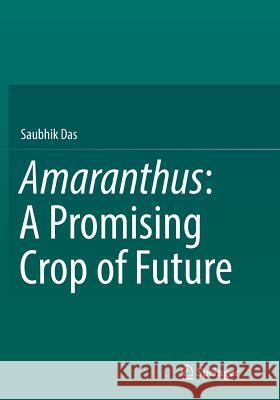
Saubhik Das
Amaranthus: A Promising Crop of Future Das, Saubhik 9789811093623 Springer - książkaWidoczna okładka, to zdjęcie poglądowe, a rzeczywista szata graficzna może różnić się od prezentowanej.

Amaranthus: A Promising Crop of Future

ISBN-13: 9789811093623 / Angielski / Miękka / 2018 / 208 str.

Saubhik Das
cena 402,53
(netto: 383,36 VAT:  5%)

Najniższa cena z 30 dni: 385,52
Termin realizacji zamówienia:
ok. 22 dni roboczych.

Darmowa dostawa!

This book serves the larger community of plant researchers working on the taxonomy, species delimitation, phylogeny, and biogeography of pseudo-cereals, with a special emphasis on amaranths. It also provides extensive information on the nutritive value of underutilized pseudo-cereals, the goal being to broaden the vegetable list.Amaranthus is a cosmopolitan genus of annual or short-lived perennial plants. Most of the species are summer annual weeds and are commonly referred to as pigweed. Only a few are cultivated as vitamin-rich vegetables and ornamentals. The protein-rich seeds of a handful of species, known as grain amaranths, are consumed as pseudo-cereals. Amaranthus manifests considerable morphological diversity among and even within certain species, and there is no general agreement on the taxonomy or number of species. Currently the genus Amaranthu s is believed to include three recognized subgenera and 70 species. Amatanthus is considered to potentially offer an alternative crop in temperate and tropical climate.The classification of amaranths is ambiguous due to the lack of discrete and quantitative species-defining characteristics and the wide range of phenotypic plasticity, as well as introgression and hybridization involving weedy and crop species. It is a known fact that both vegetable and grain amaranths have evolved from their respective weed progenitors. There are more than 180 different weed species that are herbicide-resistant, and amaranths are considered to be leading members of the resistant biotypes. Amaranth species provide ample scope for investigating herbicide resistance mechanisms. Amaranths also show variability in terms of their mating behavior and germplasm, adaptability to different growing conditions, and wide range of variability in sexual systems, from monoecy to dioecy. A solid grasp of these parameters is essential to the future utilization of amaranths as super crops. There are quite a few amaranth research center and germplasm collections all over the world that maintain and evaluate working germplasms. To date, the genetic improvement of amaranths has primarily involved the application of conventional selection methods. But advances in genomics and biotechnology have dramatically enriched the potential to manipulate the amaranth genome, especially improving the amount and availability of nutrients.In conclusion, the book covers all aspects of amaranths, including their food value, significance as vegetables and pseudo-cereals, taxonomy, phylogeny, germplasm variability, breeding behavior and strategies, cultivation practices, and variability in terms of their sexual systems. It offers a valuable resource for all students, researchers and experts working in the field of plant taxonomy and diversity.


Kategorie:
Nauka, Biologia i przyroda
Kategorie BISAC:
Science > Botanika
Technology & Engineering > Agriculture - General
Science > Life Sciences - Anatomy & Physiology
Wydawca:
Springer
Język:
Angielski
ISBN-13:
9789811093623
Rok wydania:
2018
Wydanie:
Softcover Repri
Ilość stron:
208
Waga:
0.39 kg
Wymiary:
25.4 x 17.78 x 1.17
Oprawa:
Miękka
Wolumenów:
01
Dodatkowe informacje:
Wydanie ilustrowane

1. Introduction
2. Pseudo-cereals: an efficient food supplement
3. Amaranths: the crop of great prospect
4. Infrageneric classification of Amaranthus
5. Taxonomy and phylogeny of amaranths
6. Weed and Herbicide resistance
7. Distribution and maintenance of amaranth germplasm world-wide
8. Breeding of amaranth
9. Evolution of sexualty in Amaranthus
10. Cultvation of Amaranthus
11. Future prospects in amaranth research

Dr. Shaubhik Das is currently working as Assistant Professor of Botany in Taki Govt. College, Kolkata, West Bengal, India.

His publications:

1. Das, S. and Iamonico, D. (2014). Amaranthus bengalense (Amaranthaceae) a new species from India, with taxonomical notes on A. blitum aggregate. Phytotaxa 181(5): 293-300. (Magnolia Press, Auckland, New Zealand, Impact factor 1.376)

2. Das, S. (2014). Amaranthus parganensis (Amaranthaceae) a new species form West Bengal, India. Novon 23: 406-410. (Missouri Botanical Garden Press, Impact Factor 0.279)

3. Das, S. (2013). Demestication, phylogeny and taxonomic delimitation in underutilized grain amaranths – a status review. Feddes Repertorium 123 (4): 273 – 282 (Wiley-VCH Verlag GmbH & Co.)

4. Das, S. (2013). Infraspecific variability of Amaranthus tricolor (Amaranthaceae) in India with a new variety.

Phytotaxa <88(2): 25-30. (DOI: http://dx.doi.org/10.11646/phytotaxa.88.2.2. (Magnolia Press, Auckland, New Zealand, Impact factor 1.376)   


This book serves the larger community of plant researchers working on the taxonomy, species delimitation, phylogeny, and biogeography of pseudo-cereals, with a special emphasis on amaranths. It also provides extensive information on the nutritive value of underutilized pseudo-cereals, the goal being to broaden the vegetable list.

Amaranthus is a cosmopolitan genus of annual or short-lived perennial plants. Most of the species are summer annual weeds and are commonly referred to as pigweed. Only a few are cultivated as vitamin-rich vegetables and ornamentals. The protein-rich seeds of a handful of species, known as grain amaranths, are consumed as pseudo-cereals. Amaranthus manifests considerable morphological diversity among and even within certain species, and there is no general agreement on the taxonomy  or number of species. Currently the genus Amaranthus is believed to include three recognized subgenera and 70 species. Amatanthus is considered to potentially offer an alternative crop in temperate and tropical climate.

The classification of amaranths is ambiguous due to the lack of discrete and quantitative species-defining characteristics and the wide range of phenotypic plasticity, as well as introgression and hybridization involving weedy and crop species. It is a known fact that both vegetable and grain amaranths have evolved from their respective weed progenitors. There are more than 180 different weed species that are herbicide-resistant, and amaranths are considered to be leading members of the resistant biotypes. Amaranth species provide ample scope for investigating herbicide resistance mechanisms. Amaranths also show variability in terms of their mating behavior and germplasm, adaptability to different growing conditions, and wide range of variability in sexual systems, from monoecy to dioecy. A solid grasp of these parameters is essential to the future utilization of amaranths as super crops. There are quite a few amaranth research center and germplasm collections all over the world that maintain and evaluate working germplasms. To date, the genetic improvement of amaranths has primarily involved the application of conventional selection methods. But advances in genomics and biotechnology have dramatically enriched the potential to manipulate the amaranth genome, especially improving the amount and availability of nutrients.

In conclusion, the book covers all aspects of amaranths, including their food value, significance as vegetables and pseudo-cereals, taxonomy, phylogeny, germplasm variability, breeding behavior and strategies, cultivation practices, and variability in terms of their sexual systems. It offers a valuable resource for all students, researchers and experts working in the field of plant taxonomy and diversity.



Udostępnij

Facebook - konto krainaksiazek.pl


Opinie o Krainaksiazek.pl na Opineo.pl

Partner Mybenefit

Krainaksiazek.pl w programie rzetelna firma Krainaksiaze.pl - płatności przez paypal

Czytaj nas na:

Facebook - krainaksiazek.pl
  • książki na zamówienie
  • granty
  • książka na prezent
  • kontakt
  • pomoc
  • opinie
  • regulamin
  • polityka prywatności

Zobacz:

  • Księgarnia czeska

  • Wydawnictwo Książkowe Klimaty

1997-2026 DolnySlask.com Agencja Internetowa

© 1997-2022 krainaksiazek.pl
     
KONTAKT | REGULAMIN | POLITYKA PRYWATNOŚCI | USTAWIENIA PRYWATNOŚCI
Zobacz: Księgarnia Czeska | Wydawnictwo Książkowe Klimaty | Mapa strony | Lista autorów
KrainaKsiazek.PL - Księgarnia Internetowa

Polityka prywatnosci - link
Krainaksiazek.pl - płatnośc Przelewy24
Przechowalnia Przechowalnia





