Alabama Railroads » książka





Alabama Railroads
ISBN-13: 9780817308124 / Angielski / Twarda / 1997 / 328 str.
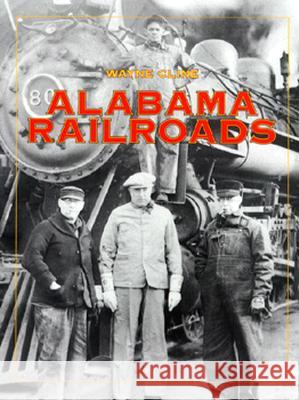
Alabama Railroads
ISBN-13: 9780817308124 / Angielski / Twarda / 1997 / 328 str.
(netto: 167,24 VAT: 5%)
Najniższa cena z 30 dni: 174,88
ok. 22 dni roboczych.
Darmowa dostawa!
Alabama Railroads is the first extensive history of the
state's railway system, from the chartering of the Tuscumbia Railway Company
in January 1830, to the maturity of the system in the latter half of the
20th century, when Amtrak assumed control of the nation's passenger service. Railroads built Alabama. Without them the state's vast
natural resources could not have been developed. Scores of Alabama towns,
including the city of Birmingham, owe their existence to the railroads.
Moreover, Alabama legislators were instrumental in securing passage of
momentous land grant legislation that brought the railroad--and settlers--to
every section of the American frontier. During the Civil War, the state's rail system was a primary
objective of Union raiders, and an Alabama rail connection into Chattanooga
proved to be a vital key to victory. After the war, the railroad shaped
politics and economic development in the state. Indeed, most of the important
events of the first 100 years of Alabama history were inssuenced in
a significant manner by the railroad. Alabama Railroads chronicles
these events--from land grant legislation and the strategic importance
of Alabama's railroads in the Civil War to the founding of Birmingham and
the development of the state's agricultural, mineral, and timber regions. Wayne Cline traces the development of all the major lines
as well as the most prominent short lines, from the day in 1832 when the
first horse-drawn cars rolled over primitive tracks at Tuscumbia, to the
night in 1971 at Sylacauga when the final operating order was issued for
one of the 20th century's most famous streamliners. Along the way we meet
the varied cast of colorful characters who pioneered the railway system
that serves the state today. With more than 100 rare and vintage illustrations
from the 19th and early 20th centuries, Alabama Railroads places
Alabama's rail heritage in a national context and allows students of southern
history as well as railroad enthusiasts to view this Deep South state from
an entirely fresh perspective.
"




Czytaj nas na:
KrainaKsiazek.PL - Księgarnia Internetowa


