After the Accord: A History of Federal Reserve Open Market Operations, the Us Government Securities Market, and Treasury Debt Management » książka

topmenu




After the Accord: A History of Federal Reserve Open Market Operations, the Us Government Securities Market, and Treasury Debt Management
ISBN-13: 9781108839891 / Angielski / Twarda / 2021 / 388 str.
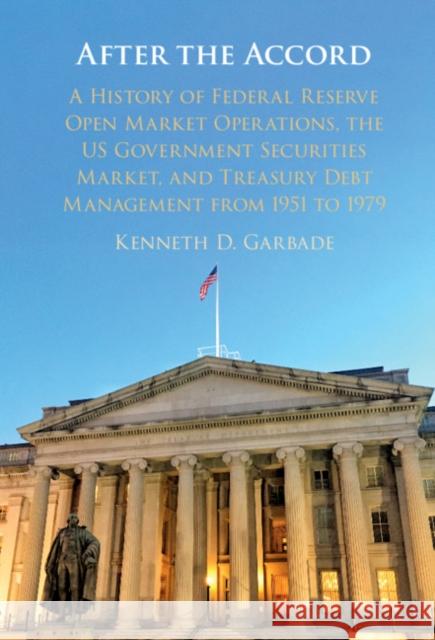
After the Accord: A History of Federal Reserve Open Market Operations, the Us Government Securities Market, and Treasury Debt Management
ISBN-13: 9781108839891 / Angielski / Twarda / 2021 / 388 str.
cena 532,02
(netto: 506,69 VAT: 5%)
Najniższa cena z 30 dni: 508,78
(netto: 506,69 VAT: 5%)
Najniższa cena z 30 dni: 508,78
Termin realizacji zamówienia:
ok. 22 dni roboczych
Bez gwarancji dostawy przed świętami
ok. 22 dni roboczych
Bez gwarancji dostawy przed świętami
Darmowa dostawa!
A contribution to the history of the institutional evolution of the market that finances the US government in war and peace.




Czytaj nas na:
Zobacz: Księgarnia Czeska | Wydawnictwo Książkowe Klimaty | Mapa strony | Lista autorów
KrainaKsiazek.PL - Księgarnia Internetowa

KrainaKsiazek.PL - Księgarnia Internetowa

