Termin realizacji zamówienia: ok. 30 dni roboczych Bez gwarancji dostawy przed świętami
Darmowa dostawa!
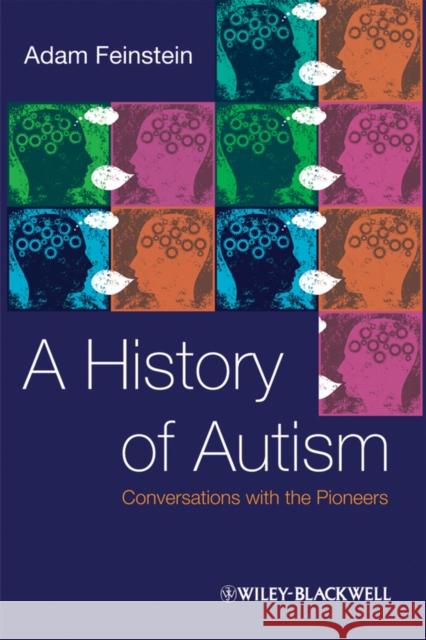
This unique book is the first to fully explore the history of autism - from the first descriptions of autistic-type behaviour to the present day.
Features in-depth discussions with leading professionals and pioneers to provide an unprecedented insight into the historical changes in the perception of autism and approaches to it
Presents carefully chosen case studies and the latest findings in the field
Includes evidence from many previously unpublished documents and illustrations
Interviews with parents of autistic children acknowledge the important contribution they have made to a more profound understanding of this enigmatic condition
"Another fascinating book on autism. I highly recommend it to anyone interested in the subject: those that have a person with autism in their family, professionals and academics, and anyone in general. . . In my opinion, Feinstein has made a significant effort to be impartial, something that I am sure it has not been easy." (Iautism, 2011)
"Recommended. Graduate students, researchers, professionals." (Choice , 1 April 2011)
"Feinstein offers one of the first truly comprehensive overviews of the history of autism research...culminating with a discussion of the projected future of autism research. He interviewed dozens of researchers and prominent autistic people in several countries, in addition to consulting numerous primary sources to compile this authoritative text. Feinstein traces the condition from before it was known as autism through the present day, and in so doing, methodically dissects both the parental blame hysteria that gripped the 1980s and the explosion of autism awareness and controversy in the twenty–first century." ( Asperger′s Association of New England Journal , Fall/Winter 2010)"This is a much needed book on the history of autism. What sets this book apart from the others is the description of the hypotheses about the disorder back when Dr. Kanner and Dr. Asperger were first writing about their unique discoveries. It provides readers with a much needed understanding of the disorder from the past as well as the present." ( Doody′s , September 2010)
"This book is more than a collection of facts; it′s also a detailed account of often–fierce controversy and professional rivalry....... Feinstein′s book is a fascinating and indispensable record of the journey so far." ( Special Children , 2010)
"In his History of Autism, Adam Feinstein has documented in an entertaining and yet exacting way, the evolving history of how our present–day ideas about autism reflect the personalities and interests of key individuals, who played critical roles in our understanding of this perplexing symptom complex. He has been to interview them, all over the world, and draws some fascinating responses to his questions. It is particularly pleasing that he managed to gather the material for his review before the most elderly among the pioneers passed away, as several have done within the past 2 or 3 years." (
Brain: A Journal of Neurology, 2011)
Acknowledgments ix
Foreword by Dame Stephanie Shirley xv
Introduction 1
1 The Two Great Pioneers 9
2 The 1950s: The Seeds of Understanding 37
3 Blaming the Parents 54
4 The 1960s: The Parents Fight Back 76
5 The Two Teaching Pioneers 117
6 The 1970s: Major Steps Forward 139
7 Definition, Diagnosis, and Assessment: The History of the Tool 165
8 The 1980s and 1990s: Theories and Concepts 203
9 Autism in the Developing Nations 233
10 Where the Future Lies 265
Notes 298
Bibliography 339
Index 367
Adam Feinstein is the editor of two autism–related websites, AutismConnect (www.autismconnect.org.uk) and Awares (www.awares.org), both run by Autism Cymru, Wales s national charity for autism. He also runs the acclaimed annual Awares international online autism conference. He writes extensively on autism for a range of publications, including
The Guardian, broadcasts for the BBC, and gives talks at conferences around the world. He is the founder and editor of
Looking Up , the monthly international autism newsletter (www.lookingupautism.org), and has contributed to the UK Medical Research Council s Autism Review. His much praised biography of the Chilean poet,
Pablo Neruda: A Passion for Life , was published in 2004. He has a son with autism.
This book explores the history of autism from the first descriptions of autistic–type behavior to the present day. Through unprecedented interviews with many of the earliest pioneers in the field, and leading professionals working today across the world?including China, India, Russia and Latin America?
A History of Autism casts fresh light on the way in which this disorder is, and has been, perceived and treated.
Meticulously researched, the book draws on evidence from previously unpublished documents, as well as the latest findings and case studies. In addition, interviews with parents of autistic children confirm the essential contribution they have made to a more profound understanding of this enigmatic condition.