• Wyszukiwanie zaawansowane
  • Kategorie
  • Kategorie BISAC
  • Książki na zamówienie
  • Promocje
  • Granty
  • Książka na prezent
  • Opinie
  • Pomoc
  • Załóż konto
  • Zaloguj się

Formal Methods in Standards: A Report from the BCS Working Group » książka


zaloguj się | załóż konto
Logo Krainaksiazek.pl

koszyk

konto

szukaj
topmenu
Księgarnia internetowa
Szukaj
Książki na zamówienie
Promocje
Granty
Książka na prezent
Moje konto
Pomoc
 
 
Wyszukiwanie zaawansowane
Pusty koszyk
Bezpłatna dostawa dla zamówień powyżej 20 złBezpłatna dostawa dla zamówień powyżej 20 zł

Kategorie główne

• Nauka
 [2950560]
• Literatura piękna
 [1849509]

  więcej...
• Turystyka
 [71097]
• Informatyka
 [151150]
• Komiksy
 [35848]
• Encyklopedie
 [23178]
• Dziecięca
 [617388]
• Hobby
 [139064]
• AudioBooki
 [1657]
• Literatura faktu
 [228597]
• Muzyka CD
 [383]
• Słowniki
 [2855]
• Inne
 [445295]
• Kalendarze
 [1464]
• Podręczniki
 [167547]
• Poradniki
 [480102]
• Religia
 [510749]
• Czasopisma
 [516]
• Sport
 [61293]
• Sztuka
 [243352]
• CD, DVD, Video
 [3414]
• Technologie
 [219456]
• Zdrowie
 [101002]
• Książkowe Klimaty
 [124]
• Zabawki
 [2311]
• Puzzle, gry
 [3459]
• Literatura w języku ukraińskim
 [254]
• Art. papiernicze i szkolne
 [8079]
Kategorie szczegółowe BISAC

Formal Methods in Standards: A Report from the BCS Working Group

ISBN-13: 9783540195771 / Angielski / Miękka / 1990 / 135 str.
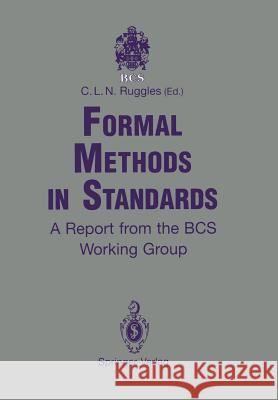
Clive L. N. Ruggles; Derek Andrews; David Blyth
Formal Methods in Standards: A Report from the BCS Working Group Ruggles, Clive L. N. 9783540195771 Springer - książkaWidoczna okładka, to zdjęcie poglądowe, a rzeczywista szata graficzna może różnić się od prezentowanej.

Formal Methods in Standards: A Report from the BCS Working Group

ISBN-13: 9783540195771 / Angielski / Miękka / 1990 / 135 str.

Clive L. N. Ruggles; Derek Andrews; David Blyth
cena 200,77
(netto: 191,21 VAT:  5%)

Najniższa cena z 30 dni: 192,74
Termin realizacji zamówienia:
ok. 22 dni roboczych
Dostawa w 2026 r.

Darmowa dostawa!

3. 1 What are formal methods? . . . . . . . . . . . . . . . . . . . . . . . . . . . . . . . . . . . . . . . . . . . . . . . . . . . . . . . . . 17 3. 2 A survey of formal methods . . . . . . . . . . . . . . . . . . . . . . . . . . . . . . . . . . . . . . . . . . . . . . . . . . . . . . . 18 3. 2. 1 FDTs and FSLs for sequential software . . . . . . . . . . . . . . . . . . . . . . . . . . . . . . 18 3. 2. 1. 1 VDM (Vienna Development Method). . . . . . . . . . . . . . . . . . . . . 19 3. 2. 1. 2 Z. . . . . . . . . . . . . . . . . . . . . . . . . . . . . . . . . . . . . . . . . . . . . . . . . . . . . . . . . . . . . . . . . . . . . . . 20 3. 2. 1. 3 me too . . . . . . . . . . . . . . . . . . . . . . . . . . . . . . . . . . . . . . . . . . . . . . . . . . . . . . . . . . . . . . . 20 3. 2. 1. 4 HOS and AXES. . . . . . . . . . . . . . . . . . . . . . . . . . . . . . . . . . . . . . . . . . . . . . . . . . . 20 3. 2. 1. 5 Gist. . . . . . . . . . . . . . . . . . . . . . . . . . . . . . . . . . . . . . . . . . . . . . . . . . . . . . . . . . . . . . . . . . . 20 3. 2. 1. 6 Clear . . . . . . . . . . . . . . . . . . . . . . . . . . . . . . . . . . . . . . . . . . . . . . . . . . . . . . . . . . . . . . . . . 21 3. 2. 1. 7 OBJ. . . . . . . . . . . . . . . . . . . . . . . . . . . . . . . . . . . . . . . . . . . . . . . . . . . . . . . . . . . . . . . . . . . 21 3. 2. 1. 8 ACT ONE and ACT TWO. . . . . . . . . . . . . . . . . . . . . . . . . . . . . . . . . . . . 21 3. 2. 1. 9 CIP-L. . . . . . . . . . . . . . . . . . . . . . . . . . . . . . . . . . . . . . . . . . . . . . . . . . . . . . . . . . . . . . . . 21 3. 2. 1. 10 LPG. . . . . . . . . . . . . . . . . . . . . . . . . . . . . . . . . . . . . . . . . . . . . . . . . . . . . . . . . . . . . . . . 21 3. 2. 1. 11 Larch. . . . . . . . . . . . . . . . . . . . . . . . . . . . . . . . . . . . . . . . . . . . . . . . . . . . . . . . . . . . . . 21 3. 2. 1. 12 Logic languages-the Prolog family. . . . . . . . . . . . . . . . . . . 22 3. 2. 1. 13 Functional languages. . . . . . . . . . . . . . . . . . . . . . . . . . . . . . . . . . . . . . . . . 22 3. 2. 2 FDTs and FSLs for concurrent software. . . . . . . . . . . . . . . . . . . . . . . . . . . . . 22 3. 2. 2. 1 LOTOS. . . . . . . . . . . . . . . . . . . . . . . . . . . . . . . . . . . . . . . . . . . . . . . . . . . . . . . . . . . . . . 23 3. 2. 2. 2 Estelle. . . . . . . . . . . . . . . . . . . . . . . . . . . . . . . . . . . . . . . . . . . . . . . . . . . . . . . . . . . . . . . 24 3. 2. 2. 3 SDL. . . . . . . . . . . . . . . . . . . . . . . . . . . . . . . . . . . . . . . . . . . . . . . . . . . . . . . . . . . . . . . . . . 24 3. 2. 2. 4 ASN. l . . . . . . . . . . . . . . . . . . . . . . . . . . . . . . . . . . . . . . . . . . . . . . . . . . . . . . . . . . . . . . . 24 3. 2. 2. 5 TTCN. . . . . . . . . . . . . . . . . . . . . . . . . . . . . . . . . . . . . . . . . . . . . . . . . . . . . . . . . . . . . . . . 25 3. 2. 2. 6 Gypsy. . . . . . . . . . . . . . . . . . . . . . . . . . . . . . . . . . . . . . . . . . . . . . . . . . . . . . . . . . . . . . . . 25 3. 2. 3 Graphical formalisms . . . . . . . . . . . . . . . . . . . . . . . . . . . . . . . . . . . . . . . . . . . . . . . . . . . . . . 25 3. 2. 3. 1 Petri nets. . . . . . . . . . . . . . . . . . . . . . . . . . . . . . . . . . . . . . . . . . . . . . . . . . . . . . . . . . . . 25 3. 2. 3. 2 Higraphs . . . . . . . . . . . . . . . . . . . . . . . . . . . . . . . . . . . . . . . . . . . . . . . . . . . . . . . . . . . . 25 3. 2. 4 Less formal methods and notations . . . . . . . . . . . . . . . . . . . . . . . . . . . . . . . . . . . . 26 3. 2. 4. 1 SADT. . . . . . . . . . . . . . . . . . . . . . . . . . . . . . . . . . . . . . . . . . . . . . . . . . . . . . . . . . . . . . . . 26 3. 2. 4. 2 Structured Design . . . . . . . . . . . . . . . . . . . . . . . . . . . . . . . . . . . . . . . . . . . . . . . 26 3. 2. 4. 3 SSADM and LSDM . . . . . . . . . . . . . . . . . . . . . . . . . . . . . . . . . . . . . . . . . . . . . 26 3. 2. 4. 4 JSPandJSD. . . . . . . . . . . . . . . . . . . . . . . . . . . . . . . . . . . . . . . . . . . . . . . . . . . . . . . . 26 3. 2. 4. 5 HDM and the SPECIAL language . . . . . . . . . . . . . . . . . . . . . . . . . . 27 3. 2. 4. 6 Structured analysis and design of real-time systems. . 27 3. 3 Support tools for FDTs. . . . . . . . . . . . . . . . . . . . . . . . . . . . . . . . . . . . . . . . . . . . . . . . . . . . . . . . . . . . . .


Kategorie:
Informatyka, Bazy danych
Kategorie BISAC:
Computers > Computer Science
Computers > Software Development & Engineering - General
Wydawca:
Springer
Język:
Angielski
ISBN-13:
9783540195771
Rok wydania:
1990
Wydanie:
Softcover Repri
Ilość stron:
135
Waga:
0.29 kg
Wymiary:
24.4 x 17.0
Oprawa:
Miękka
Wolumenów:
01
Dodatkowe informacje:
Bibliografia
Glosariusz/słownik

1 The Formal Methods in Standards Working Group.- 1.1 Terms of reference.- 1.2 Constitution.- 1.3 Modus operandi.- 1.4 Membership.- 2 Standards: the Background.- 2.1 What is a standard?.- 2.1.1 Concepts.- 2.1.2 Why standardise?.- 2.1.3 Principles of standardisation.- 2.1.4 Problems.- 2.2 The standards-making structure.- 2.2.1 The protagonists.- 2.2.1.1 Overview.- 2.2.1.2 Formative committees.- 2.2.1.3 ISO.- 2.2.2 The ISO/IEC Joint Technical Committee on Information Technology.- 2.3 The standards development process.- 2.3.1 International standards generation: an overview.- 2.3.1.1 Identification of user requirements.- 2.3.1.2 Advancement of user requirements.- 2.3.1.3 Development and review.- 2.3.2 An analogy with the software development process.- 2.4 The quality of standards.- 2.4.1 Failure to serve a useful purpose.- 2.4.2 Difficulty of use.- 2.4.3 Incompatibility with other standards.- 2.4.4 Difficulty of maintenance.- 2.4.5 Malfunction.- 3 Formal Methods: the Background.- 3.1 What are formal methods?.- 3.2 A survey of formal methods.- 3.2.1 FDTs and FSLs for sequential software.- 3.2.1.1 VDM (Vienna Development Method).- 3.2.1.2 Z.- 3.2.1.3 me too.- 3.2.1.4 HOS and AXES.- 3.2.1.5 Gist.- 3.2.1.6 Clear.- 3.2.1.7 OBJ.- 3.2.1.8 ACT ONE and ACT TWO.- 3.2.1.9 CIP-L.- 3.2.1.10 LPG.- 3.2.1.11 Larch.- 3.2.1.12 Logic languages-the Prolog family.- 3.2.1.13 Functional languages.- 3.2.2 FDTs and FSLs for concurrent software.- 3.2.2.1 LOTOS.- 3.2.2.2 Estelle.- 3.2.2.3 SDL.- 3.2.2.4 ASN.1.- 3.2.2.5 TTCN.- 3.2.2.6 Gypsy.- 3.2.3 Graphical formalisms.- 3.2.3.1 Petri nets.- 3.2.3.2 Higraphs.- 3.2.4 Less formal methods and notations.- 3.2.4.1 SADT.- 3.2.4.2 Structured Design.- 3.2.4.3 SSADM and LSDM.- 3.2.4.4 JSP and JSD.- 3.2.4.5 HDM and the SPECIAL language.- 3.2.4.6 Structured analysis and design of real-time systems.- 3.3 Support tools for FDTs.- 3.3.1 Introduction.- 3.3.2 The nature of FDT tools.- 3.3.3 Validation and verification tools.- 3.3.4 Tool environments.- 3.4 A survey of methods and tools: the STARTS guide.- 4 Formal Methods in Standards: Four Case Studies.- 4.1 Introduction.- 4.2 Programming languages.- 4.2.1 Overview.- 4.2.2 The denotational approach to the formal definition of a programming language.- 4.2.3 Formal definitions of real languages.- 4.2.4 Discussion.- 4.3 Document structure.- 4.3.1 The Standard Generalised Markup Language (SGML).- 4.3.1.1 What is SGML?.- 4.3.1.2 The development of SGML.- 4.3.1.3 Discussion.- 4.3.2 Office Document Architecture (ODA).- 4.3.2.1 What is ODA9.- 4.3.2.2 FODA.- 4.3.2.3 History and development of FODA.- 4.3.2.4 Definition and uses of FODA.- 4.3.2.5 Developments in formalising ODA.- 4.3.2.6 Conclusions.- 4.4 Graphics.- 4.4.1 Introduction.- 4.4.2 Standards for computer graphics.- 4.4.3 Applications of formal specification to computer graphics.- 4.4.3.1 Early work.- 4.4.3.2 Specification of standards for computer graphics.- 4.4.3.3 Applications to GKS.- 4.4.4 Future developments.- 4.5 Open systems interconnection.- 4.5.1 Formal methods in computer communication standards.- 4.5.1.1 Introduction.- 4.5.1.2 Historical background.- 4.5.1.3 The current situation.- 4.5.1.4 An example: multiplexing.- 4.5.1.5 Limitations and prospects.- 4.5.2 OSI Protocol Conformance Testing.- 4.5.2.1 The ISO method of conformance test (derivation and) specification.- 4.5.2.2 Tree and Tabular Combined Notation (TTCN).- 4.5.2.3 Conformance testing of FTAM in the CTS-WAN project.- 4.5.2.4 Conclusion.- 5 Current Practice: Issues and Guidelines.- 5.1 Introduction.- 5.2 Quality and correctness.- 5.3 Phased introduction of formal methods.- 5.4 Parallel and retrospective application of formal methods.- 5.5 Choice of formal notation.- 5.6 Tools.- 5.7 General conclusions.- Bibliography of standards.- General bibliography.- Appendix A.- List of Acronyms.- Appendix B.- Glossary of Formal Methods Terminology.

Report produced by the Formal Methods in Standards Working Group of the British Computer Society.


Udostępnij

Facebook - konto krainaksiazek.pl


Opinie o Krainaksiazek.pl na Opineo.pl

Partner Mybenefit

Krainaksiazek.pl w programie rzetelna firma Krainaksiaze.pl - płatności przez paypal

Czytaj nas na:

Facebook - krainaksiazek.pl
  • książki na zamówienie
  • granty
  • książka na prezent
  • kontakt
  • pomoc
  • opinie
  • regulamin
  • polityka prywatności

Zobacz:

  • Księgarnia czeska

  • Wydawnictwo Książkowe Klimaty

1997-2025 DolnySlask.com Agencja Internetowa

© 1997-2022 krainaksiazek.pl
     
KONTAKT | REGULAMIN | POLITYKA PRYWATNOŚCI | USTAWIENIA PRYWATNOŚCI
Zobacz: Księgarnia Czeska | Wydawnictwo Książkowe Klimaty | Mapa strony | Lista autorów
KrainaKsiazek.PL - Księgarnia Internetowa

Polityka prywatnosci - link
Krainaksiazek.pl - płatnośc Przelewy24
Przechowalnia Przechowalnia





