• Wyszukiwanie zaawansowane
  • Kategorie
  • Kategorie BISAC
  • Książki na zamówienie
  • Promocje
  • Granty
  • Książka na prezent
  • Opinie
  • Pomoc
  • Załóż konto
  • Zaloguj się

Using Mobile Technologies in the Teaching and Learning of Mathematics » książka

zaloguj się | załóż konto
Logo Krainaksiazek.pl

koszyk

konto

szukaj
topmenu
Księgarnia internetowa
Szukaj
Książki na zamówienie
Promocje
Granty
Książka na prezent
Moje konto
Pomoc
 
 
Wyszukiwanie zaawansowane
Pusty koszyk
Bezpłatna dostawa dla zamówień powyżej 20 złBezpłatna dostawa dla zamówień powyżej 20 zł

Kategorie główne

• Nauka
 [2950560]
• Literatura piękna
 [1849509]

  więcej...
• Turystyka
 [71097]
• Informatyka
 [151150]
• Komiksy
 [35848]
• Encyklopedie
 [23178]
• Dziecięca
 [617388]
• Hobby
 [139064]
• AudioBooki
 [1657]
• Literatura faktu
 [228597]
• Muzyka CD
 [383]
• Słowniki
 [2855]
• Inne
 [445295]
• Kalendarze
 [1464]
• Podręczniki
 [167547]
• Poradniki
 [480102]
• Religia
 [510749]
• Czasopisma
 [516]
• Sport
 [61293]
• Sztuka
 [243352]
• CD, DVD, Video
 [3414]
• Technologie
 [219456]
• Zdrowie
 [101002]
• Książkowe Klimaty
 [124]
• Zabawki
 [2311]
• Puzzle, gry
 [3459]
• Literatura w języku ukraińskim
 [254]
• Art. papiernicze i szkolne
 [8079]
Kategorie szczegółowe BISAC

Using Mobile Technologies in the Teaching and Learning of Mathematics

ISBN-13: 9783319901787 / Angielski / Twarda / 2018 / 323 str.
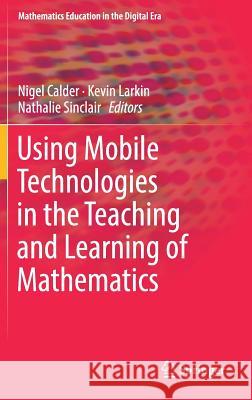
Nigel Calder; Kevin Larkin; Nathalie Sinclair
Using Mobile Technologies in the Teaching and Learning of Mathematics Nigel Calder Kevin Larkin Nathalie Sinclair 9783319901787 Springer - książkaWidoczna okładka, to zdjęcie poglądowe, a rzeczywista szata graficzna może różnić się od prezentowanej.

Using Mobile Technologies in the Teaching and Learning of Mathematics

ISBN-13: 9783319901787 / Angielski / Twarda / 2018 / 323 str.

Nigel Calder; Kevin Larkin; Nathalie Sinclair
cena 603,81
(netto: 575,06 VAT:  5%)

Najniższa cena z 30 dni: 578,30
Termin realizacji zamówienia:
ok. 22 dni roboczych
Dostawa w 2026 r.

Darmowa dostawa!

It Integrates and synthesizes key affordances, engagement, cognitive and collaborative aspects of learning mathematics through mobile technologies.With mobile technologies being a relatively recent addition to the scope of digital technologies that might facilitate learning in mathematics, there is a need for research.


Kategorie:
Podręczniki
Kategorie BISAC:
Education > Teaching - Subjects - Mathematics
Education > Computers & Technology
Education > Educational Psychology
Wydawca:
Springer
Seria wydawnicza:
Mathematics Education in the Digital Era
Język:
Angielski
ISBN-13:
9783319901787
Rok wydania:
2018
Wydanie:
2018
Ilość stron:
323
Waga:
0.63 kg
Wymiary:
23.39 x 15.6 x 1.91
Oprawa:
Twarda
Wolumenów:
01
Dodatkowe informacje:
Wydanie ilustrowane

01. Introduction.- 02. Mobile Technologies: How might using mobile technologies reshape the learning and teaching of mathematics? Nigel Calder, Kevin Larson and Nathalie Sinclair.- Section One: Looking across the terrain.- 03. Mathematics apps - stormy with the weather clearing: Using cluster analysis to enhance app use in mathematics classrooms. Kevin Larkin and Todd Milford.-  04. How might apps reshape the mathematical learning experience? Nigel Calder and Carol Murphy.- 05. Mobile technologies in the primary mathematics classroom: Engaging or not? Catherine Attard.- Section Two: Traversing the teaching and learning landscape.- 06. When robot A.L.E.X. trains teachers how to teach mathematics. Andreas Kyriakides and Maria Meletiou-Mavrotheris.- 07. Supporting teachers’ orchestration of mobile learning activities. Håkan Sollervall, Didac Gil de la Iglesia and Janosch Zbick.- 08. Collaborative engagement through mobile technology in mathematics learning. Mina Sedaghatjou and Sheree Rodney.- 09. Augmenting mathematics with mobile technology. Christian Bokhove, Alison Clark-Wilson and Marios Pittalis.- Section Three: Navigating content: Focussing on particular concepts.- 10. Developing mastery of time concepts by integrating lessons and apps. Timothy Pelton, Todd Milford and Lesley Francis Pelton.- 11. Heatmap and hierarchical clustering analysis to highlight changes in young children’s developmental progressions using virtual manipulative mathematics apps. Christina W. Lommatsch, Stephen Tucker, Patricia Moyer-Packenham and Jürgen Symanzik.- 12. A better story: An embodied-design argument for generic manipulatives. Dana Rosen, Alik Palatnik, and Dor Abrahamson.- 13. Fingers-on geometry: The emergence of symmetry in a primary school classroom with multi-touch dynamic geometry. Sean Chorney and Nathalie Sinclair.- 14. Touching numbers and feeling quantities: Methodological dimensions of working with TouchCounts. Francesca Ferrara and Ketty Savioli.- 15. Approaching secondary school geometry through the logic of inquiry within technological environments. Carlotta Soldano and Ferdinando Arzarello.-  Section Four: Exploring new forms of communication to make mathematical learning visible.- 16. Mathematics screencasts for teaching and learning. Linda Galligan and Carola Hobohm.- 17. The use of mobile technologies in the primary school mathematics classroom- developing ‘create-alouds’. Anne Prescott and Damian Maher.- 18. Using Show and Tell apps to engage students in problem solving in the mathematics classroom. Naomi Ingram, Keryn Pratt, and Sandra Williamson-Leadley.

Mobile technologies influence the way that we interact with the world, the way that we live. We use them for communication, entertainment, information and research. In education settings, there has been substantial investment in mobile devices, often without a concomitant investment in developing pedagogy and practices. With mobile technologies evolving rapidly, and the number of educational apps growing, there is a need for research into how they facilitate mathematics learning. Such research is of particular importance regarding how such devices may be used to open up new ways of envisaging mathematics and mathematics education, and to help develop conceptual rather than procedural or declarative knowledge. 

This volume draws upon international research and reports on a range of research projects that have incorporated mobile technologies for mathematics education. It presents research on the use of mobile technologies, such as iPads, iPods, iPhones, Androids, and Tablets, across a diverse range of cultures, year levels and contexts. It examines the ways in which mobile technologies, including apps, might influence students’ engagement, cognition, collaboration and attitudes, through the reshaping of the learning experience. In addition, the book presents appropriate ways to integrate mobile technologies into teaching and learning programmes.

It is a significant reference book for those involved with teaching mathematics or using mobile technologies in education, while also offering insights and examples that are applicable to the use of digital technologies in education generally.


Udostępnij

Facebook - konto krainaksiazek.pl


Opinie o Krainaksiazek.pl na Opineo.pl

Partner Mybenefit

Krainaksiazek.pl w programie rzetelna firma Krainaksiaze.pl - płatności przez paypal

Czytaj nas na:

Facebook - krainaksiazek.pl
  • książki na zamówienie
  • granty
  • książka na prezent
  • kontakt
  • pomoc
  • opinie
  • regulamin
  • polityka prywatności

Zobacz:

  • Księgarnia czeska

  • Wydawnictwo Książkowe Klimaty

1997-2025 DolnySlask.com Agencja Internetowa

© 1997-2022 krainaksiazek.pl
     
KONTAKT | REGULAMIN | POLITYKA PRYWATNOŚCI | USTAWIENIA PRYWATNOŚCI
Zobacz: Księgarnia Czeska | Wydawnictwo Książkowe Klimaty | Mapa strony | Lista autorów
KrainaKsiazek.PL - Księgarnia Internetowa

Polityka prywatnosci - link
Krainaksiazek.pl - płatnośc Przelewy24
Przechowalnia Przechowalnia






