• Wyszukiwanie zaawansowane
  • Kategorie
  • Kategorie BISAC
  • Książki na zamówienie
  • Promocje
  • Granty
  • Książka na prezent
  • Opinie
  • Pomoc
  • Załóż konto
  • Zaloguj się

Evaluating Human Service Outcomes » książka


zaloguj się | załóż konto
Logo Krainaksiazek.pl

koszyk

konto

szukaj
topmenu
Księgarnia internetowa
Szukaj
Książki na zamówienie
Promocje
Granty
Książka na prezent
Moje konto
Pomoc
 
 
Wyszukiwanie zaawansowane
Pusty koszyk
Bezpłatna dostawa dla zamówień powyżej 20 złBezpłatna dostawa dla zamówień powyżej 20 zł

Kategorie główne

• Nauka
 [2950560]
• Literatura piękna
 [1849509]

  więcej...
• Turystyka
 [71097]
• Informatyka
 [151150]
• Komiksy
 [35848]
• Encyklopedie
 [23178]
• Dziecięca
 [617388]
• Hobby
 [139064]
• AudioBooki
 [1657]
• Literatura faktu
 [228597]
• Muzyka CD
 [383]
• Słowniki
 [2855]
• Inne
 [445295]
• Kalendarze
 [1464]
• Podręczniki
 [167547]
• Poradniki
 [480102]
• Religia
 [510749]
• Czasopisma
 [516]
• Sport
 [61293]
• Sztuka
 [243352]
• CD, DVD, Video
 [3414]
• Technologie
 [219456]
• Zdrowie
 [101002]
• Książkowe Klimaty
 [124]
• Zabawki
 [2311]
• Puzzle, gry
 [3459]
• Literatura w języku ukraińskim
 [254]
• Art. papiernicze i szkolne
 [8079]
Kategorie szczegółowe BISAC

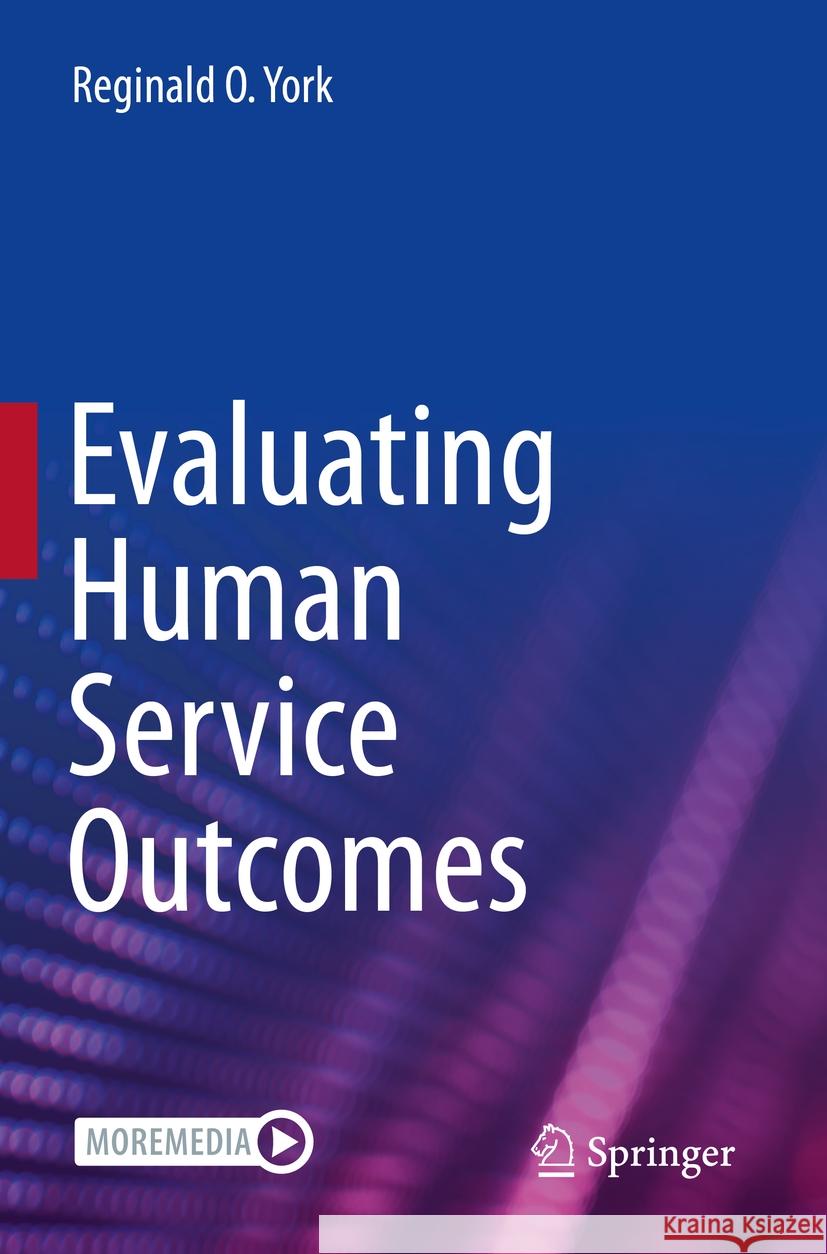
Evaluating Human Service Outcomes

ISBN-13: 9783031101779 / Angielski / Miękka / 2023
Reginald O. York
Evaluating Human Service Outcomes Reginald O. York 9783031101779 Springer International Publishing - książkaWidoczna okładka, to zdjęcie poglądowe, a rzeczywista szata graficzna może różnić się od prezentowanej.

Evaluating Human Service Outcomes

ISBN-13: 9783031101779 / Angielski / Miękka / 2023

Reginald O. York
cena 201,24
(netto: 191,66 VAT:  5%)

Najniższa cena z 30 dni: 192,74
Termin realizacji zamówienia:
ok. 22 dni roboczych
Dostawa w 2026 r.

Darmowa dostawa!
inne wydania

This all-in-one text assists human service practitioners, and the students of human service educational programs, in the evaluation of their practice with their clients. It takes readers through the entire research process, step by step, starting with the literature review on the nature of the behavior being served, to the development of their study methods, to the statistical analysis of data using the internet and, finally, to the drawing of conclusions based on the outcome study that was conducted. When readers complete this book, they will be prepared to conduct an outcome evaluation study and to present a report to their agencies or instructors.  Key distinctions of this text include: 

  • guides for analysis of data using Excel, the internet or SPSS for statistical analysis of data; 
  • the separation of content into basic concepts and intermediate concepts for use in beginning and intermediate courses in human service research methods; 
  • an instructor's manual that offers outlines, lists, and test questions additional to those in the text; 
  • a student workbook with practice assignments for use in courses as well as a set of checklists that serve as a guide for various tasks in the research process; and 
  • objectives, summaries, and tests in all chapters.
Evaluating Human Service Outcomes could be used as the basic text for a beginning course in human service research in educational programs in social work, counseling, and psychology where a major goal is to complete a research study. It could also be used as a supplemental text for advanced research courses that include the analysis of data. The text also should be of interest to human service practitioners who are working in programs funded by grants that require outcome evaluation.

Kategorie:
Nauka, Socjologia i społeczeństwo
Kategorie BISAC:
Social Science > Social Work
Psychology > Clinical Psychology
Education > General
Wydawca:
Springer International Publishing
Język:
Angielski
ISBN-13:
9783031101779
Rok wydania:
2023
Waga:
0.52 kg
Wymiary:
23.5 x 15.5
Oprawa:
Miękka
Dodatkowe informacje:
Bibliografia
Wydanie ilustrowane

Chapter 1: The Essence of Outcome Evaluation

Introduction

Objectives of this Book

Types of Human Service Evaluation

Outcome Evaluation

Other Types of Human Service Evaluation.

The evaluation of human need.

The evaluation of service quantity.

The evaluation of service quality.

The evaluation of service efficiency.

The Four Main Purposes of Human Service Research.

The Evaluation of Service

The Description of People.

The Explanation of Things.

The Exploration of the Unknown.

The Process of Outcome Research.

Step One: Develop the Research Question and Study Purpose.

Step Two: Develop a Knowledge Base for the Study

Step Three: Design the Evaluation Study

Step Four: Collect and Analyze Data

Step Five: Draw Conclusions

Step Six: Describe the Service that Was Evaluated

Don’t Put the Cart Before the Horse!

Evidence-based Practice as a Guide

This Book

Chapter Summary

Chapter Test

Chapter References


Chapter 2:  Developing Your Knowledge Base

Introduction.

Chapter Objectives.

Steps in the Process of Developing Your Knowledge Base.

Step 1 Presenting the Scope of Your Literature Review.

Step 2: Finding Your Sources.

Step 3: Reviewing Your Sources.

Levels of Evidence.

Step 4: Writing Your Literature Review.

Chapter Summary.

Chapter Test.

References.


Chapter 3: Developing the Methods for Your Outcome Study.

Introduction.

Chapter Objectives.

Selecting Your Study Sample and Generalizing Your Findings.

Types of Samples.

Sampling Error.

Two Ways to Generalize Your Study Results.

Measuring Your Study Variables.

Defining Your Study Variables.

Qualitative and Quantitative Forms of Measurement.

Reliability and Validity in the Measurement of Psychosocial Variables.

Finding a Published Scale.

Designing Your own Survey Tool.

Determining Your Research Design.

Causes of the Clients’ Measured Growth.

Group Research Designs.

One group pretest-posttest design.

Comparison group design.

Exhibit 3.5: Selected group designs

Alternative treatment design.

Single-subject Research Designs.

Single-subject Designs that Fail to Control for Maturation.

Single-subject Designs that Control for Maturation.

Composing Your Study Hypothesis.

Chapter Summary.

Chapter Test.

Chapter References.


Chapter 4: Collecting and Analyzing Your Data.

Introduction.

Chapter Objectives.

Collecting Data.

Collecting Data from Human Subjects in an Ethical Manner.

Recording Your Data.

Developing Your Data Plan

Selecting the Statistic for Your Outcome Study.

Preliminary Steps for Testing Your Study Hypothesis

The Six Data Situations for Evaluative Research.

      Data Situations that Do not Fit          

      Selecting a Statistic for Describing Clients

Common Descriptive Statistics when Data Are Recorded Numerically.

Common Descriptive Statistics for Categorical Data.

Selecting a Statistic for Explaining Client Gain.

Analyzing Your Data.

Reporting Your Results.

Chapter Summary.

Chapter Test.

References.


Chapter 5: Using the Internet to Analyze Your Outcome Data.

Introduction.

Objectives.

Preliminary Steps.

Organizing Your Data

The Six Data Situations for Outcome Evaluation Research

Comparing Matched Pretest and Posttest Scores

Example

Steps in the Process of Comparing Matched Scores

Comparing a Single Score to a Set of Scores

Example

Steps in the Process of Comparing a Set of Scores to a Single Score

Comparing the Gain Scores of Two Groups

Example

Steps in Comparing a Set of Scores for Two Groups

Comparing Two Groups on the Basis of a Dichotomous Variable.

Example

Comparing Multiple Treatment Scores to a Single Baseline Score for a Single Client.

Example.

Steps in the Comparison of Multiple Scores to a Single Scores

Comparing Multiple Treatment Scores to Multiple Baseline Scores for a Single Client

      Example.

      Steps in Comparing Multiple Treatment Scores to Multiple Baseline Scores for a Single Client.

Chapter Summary

Practice Assignment.


Chapter 6: Using SPSS to Analyze Your Outcome Data.

Introduction.

Chapter Objectives.

Preliminary Steps.

Organizing Your Data

Selecting Your Data Situation.

Comparing Matched Pretest and Posttest Scores

Example

Comparing a Single Score to a Set of Scores for One Group of Clients

Example

Steps in the Comparison of a Set of Scores to a Single Score.

Comparing the Gain Scores of Two Groups

Example

Comparing Two Groups on the Basis of a Dichotomous Variable.

      Example

      Steps in the Comparison of Two Groups on the Basis of a Dichotomous Variable.

Comparing Multiple Treatment Scores to a Single Baseline Score for a Single Client.

Example.

Steps in the Comparison of Multiple Scores to a Single Scores

Comparing Multiple Treatment Scores to Multiple Baseline Scores for a Single Client

Example

Steps in the Comparison of Multiple Treatment Scores to Multiple Baseline Scores for One Client

Chapter Summary

Chapter Assignment


Chapter 7: Using Special Excel Files to Analyze Your Outcome Data.

Introduction.

Chapter Objectives.

Preliminary Steps.

Organizing Your Data

Selecting Your Data Situation

Comparing Matched Pretest and Posttest Scores

      Example

      Steps in Comparing Matched Scores

Comparing a Set of Scores to a Single Score for a Group of Clients

Example

Steps in Comparing a Set of Scores to a Single Score.

Comparing the Gain Scores of Two Groups

Example

Steps in Comparing a Set of Scores for Two Groups

Comparing Two Groups on the Basis of a Dichotomous Variable.

Example

Steps in the Comparison of Two Groups on the Basis of a Dichotomous Variable.

Comparing Multiple Treatment Scores to a Single Baseline Score for One Client.

Example.

Steps in the Comparison of Multiple Scores to a Single Score.

Comparing Multiple Treatment Scores to Multiple Baseline Scores for One Client.

Example.

Steps in the Comparison of Multiple Scores to a Single Score.

Chapter Summary

Practice Assignment


Chapter 8: Describing Clients

Introduction. 

Chapter Objectives.

The Process of Describing Clients.

Step 1: Determining the Purpose of Your Study.

Step 2: Selecting a Study Sample.

Step 3: Deciding What to Describe

Step 4: Collecting Data

Step 5: Selecting a Descriptive Statistic for Each Variable

Analyzing Descriptive Data

Using the Internet to Analyze Descriptive Data.

Reporting the Results of the Descriptive Study.

Chapter Summary

Chapter Test.

References


Chapter 9: Explaining Client Outcome

Introduction

Objectives

The Issue of Causation

The Steps in the Explanatory Research Process.

Step 1: Determining the Purpose, Knowledge Base, Research Question.

Step 2:  Developing Your Explanatory Research Hypothesis.

Step 3: Collecting and Recording Your Data.

Step 4: Analyzing Your Data

Step 5: Reporting Your Results

Analyzing Your Explanatory Data.

Data Situations Previously Addressed in this Book.

Additional Data Situations for Explanatory Research.

Data Situation A: Using the Correlation Coefficient to Examine the Relationship
Between Two Interval Variables.

Data Situation B: Using ANOVA when You Are Comparing the Scores of Several Groups.

Reporting the Results of Your Data Using ANOVA.

Chapter Summary

Chapter Test

Chapter References


Chapter 10: Getting Ideas on How to Improve Service Using Qualitative Surveys.

Introduction.

Chapter Objectives.

Qualitative and Quantitative Measurement

The Social Survey

Steps in the Process of Conducting a Social Survey.

Step 1: Determine the Purpose of the Survey.

Step 2: Select Your Study Sample.

Step 3: Design Your Measurement Tool.

Step 4: Administer the Survey

Step 5: Analyze Data

Step 6: Draw Conclusions

One Model for Content Analysis of Qualitative Data.

Step 1: First Level Coding

Step 2: Credibility Assessment of First Level Codes

Step 3: Second Level Coding

Step 4: Enumeration of Second Level Codes.

Other Steps

Drawing Conclusions.

An Exercise in the Content Analysis of Qualitative Data

Description of the Study

The 2019 Cohort

The 2022 Cohort

Tasks in the Content Analysis of These Data

Chapter Summary.

Chapter Test.


Chapter 11: Writing Your Research Report.

Introduction.

Chapter Objectives.

Reporting the Purpose of Your Study and the Knowledge Base.

Reporting Your Study Purpose and Research Question.

Reporting Your Knowledge Base.

Reporting Your Study Methods

Reporting Your Study Sample.

Describing Your Measurement Tools.

Stating Your Study Hypothesis.

Reporting Your Research Design.

Reporting Your Results and Conclusions.

Describing the Service Being Evaluated.

Describing the Objectives of the Service.

Describing the Structure of the Service.

Describing the Personnel of the Service.

Describing the Model of the Service.

Summary of the Description of the Service

Chapter Summary

Chapter Test

Chapter References.


Chapter 12: Facing the Challenges of Outcome Evaluation

Chapter Introduction

Chapter Objectives

How Can We Justify the Resources Expended for the Service?

Is Our Knowledge Base Sufficient to Build Our Outcome Study?

Can We Generalize Our Findings on a Logical Basis?

Does Our Measurement Tool Pass the Test of Face Validity?

Do We Know that Our Service Was Delivered According to Promise?

Does Our Research Design Have to Control for Normal Growth over Time?

Why Should We Be Concerned with Statistical Significance?

How Do We Know if We Have Practical Significance?

Are Our Conclusions Consistent with Our Data?

Did We Put the Cart Before the Horse?

Chapter Summary

Chapter Test.

Chapter References.

Appendix: Inventory of Critical Research Concepts

Reginald O. York, PhD, is Professor Emeritus, School of Social Work, University of North Carolina Wilmington. He has taught at three different universities and is the author of six books, one on human service planning, one on statistics for human service evaluation, and four on research methods for human services. He is the author of more than 30 journal articles on such themes as leadership, organizational decision making, and women in management. He is especially interested in evidence-based practice and the idea of learning by doing.

This all-in-one text assists human service practitioners, and the students of human service educational programs, in the evaluation of their practice with their clients. It takes readers through the entire research process, step by step, starting with the literature review on the nature of the behavior being served, to the development of their study methods, to the statistical analysis of data using the internet and, finally, to the drawing of conclusions based on the outcome study that was conducted. When readers complete this book, they will be prepared to conduct an outcome evaluation study and to present a report to their agencies or instructors.  

Key distinctions of this text include: 

  • guides for analysis of data using Excel, the internet or SPSS for statistical analysis of data; 
  • the separation of content into basic concepts and intermediate concepts for use in beginning and intermediate courses in human service research methods; 
  • an instructor's manual that offers outlines, lists, and test questions additional to those in the text; 
  • a student workbook with practice assignments for use in courses as well as a set of checklists that serve as a guide for various tasks in the research process; and 
  • objectives, summaries, and tests in all chapters.

Evaluating Human Service Outcomes could be used as the basic text for a beginning course in human service research in educational programs in social work, counseling, and psychology where a major goal is to complete a research study. It could also be used as a supplemental text for advanced research courses that include the analysis of data. The text also should be of interest to human service practitioners who are working in programs funded by grants that require outcome evaluation.


Udostępnij

Facebook - konto krainaksiazek.pl


Opinie o Krainaksiazek.pl na Opineo.pl

Partner Mybenefit

Krainaksiazek.pl w programie rzetelna firma Krainaksiaze.pl - płatności przez paypal

Czytaj nas na:

Facebook - krainaksiazek.pl
  • książki na zamówienie
  • granty
  • książka na prezent
  • kontakt
  • pomoc
  • opinie
  • regulamin
  • polityka prywatności

Zobacz:

  • Księgarnia czeska

  • Wydawnictwo Książkowe Klimaty

1997-2025 DolnySlask.com Agencja Internetowa

© 1997-2022 krainaksiazek.pl
     
KONTAKT | REGULAMIN | POLITYKA PRYWATNOŚCI | USTAWIENIA PRYWATNOŚCI
Zobacz: Księgarnia Czeska | Wydawnictwo Książkowe Klimaty | Mapa strony | Lista autorów
KrainaKsiazek.PL - Księgarnia Internetowa

Polityka prywatnosci - link
Krainaksiazek.pl - płatnośc Przelewy24
Przechowalnia Przechowalnia






