Perversions of Fascism » książka





Perversions of Fascism
ISBN-13: 9781855756021 / Angielski / Miękka / 2009 / 376 str.
Perversions of Fascism
ISBN-13: 9781855756021 / Angielski / Miękka / 2009 / 376 str.
(netto: 228,51 VAT: 5%)
Najniższa cena z 30 dni: 237,01
ok. 16-18 dni roboczych.
Darmowa dostawa!
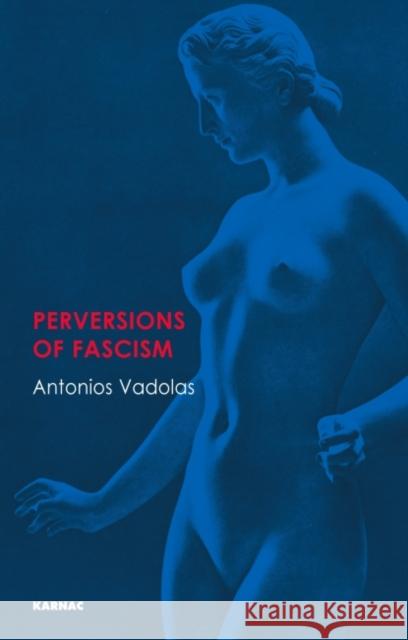
Under the shade of escalating violence and fundamentalism, our epoch's diffused aura of liberalism supposedly tolerates difference, by exorcising the evil phantasms of totalitarianism, in favor of a liberal and humane post-modern order. Consequently, behind contemporary versions of evil, one demonizes modern fascists, totalitarian threats, and Hitlers. As if not obscure enough, fascist evil has been equivocally linked with perversion.
The objective of the Antonio Vadolas's criticism that goes through psychoanalysis, without, however, exempting it from this criticism, is to reveal that both fascism and perversion implicate the non-symbolizable kernel in politics, which becomes the source of their mystification. His thesis argues that the fascist does not take the same discursive position, as the pervert does, regarding this symbolic gap.
Vadolas develops a new rhetoric, de-pathologized and de-ideologized, regarding the structure of the so-called pervert, introducing new vocabularies and directions for psychoanalytic research that further distance the pervert, or whom he calls the extra-ordinary subject, from fascist politics and, instead, expose his diachronic -fascist- isolation from the social edifice. This reveals the fruitful alternatives that can stem from a return to Freud cum Lacan, which supports a flexible on-going reformulation of psychoanalytic knowledge.




Czytaj nas na:
KrainaKsiazek.PL - Księgarnia Internetowa


