The Concept of Self in Hinduism, Buddhism, and Christianity and Its Implication for Interfaith Relations » książka





The Concept of Self in Hinduism, Buddhism, and Christianity and Its Implication for Interfaith Relations
ISBN-13: 9781532600951 / Angielski / Miękka / 2017 / 182 str.
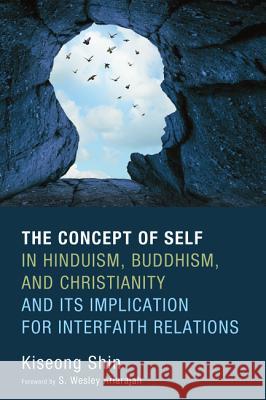
The Concept of Self in Hinduism, Buddhism, and Christianity and Its Implication for Interfaith Relations
ISBN-13: 9781532600951 / Angielski / Miękka / 2017 / 182 str.
(netto: 112,80 VAT: 5%)
Najniższa cena z 30 dni: 113,36
ok. 16-18 dni roboczych.
Darmowa dostawa!
This is the first comparative study of the self and no-self in Hinduism, Buddhism, and Christianity. In spite of doctrinal differences within these three belief systems, they agree that human beings are in a predicament from which they need to be liberated. Indian religions, including Hinduism and Buddhism, share the belief that human nature is inherently perfectible, while the epistemological and psychological limitation of the human being is integral to Christian belief. Regarding the immortality of the human being, Hinduism and Christianity traditionally and generally agree that human beings, as atman or soul, possess intrinsic immortality. On the contrary, Buddhism teaches the doctrine of no-self (anatta). Further, in their quest to analyze the human predicament and attempt a way out of it, they employ different concepts, such as sin and salvation in Christianity, attachment (tanka) and enlightenment (nirvana) in Buddhism, and ignorance (avidya) and liberation (moksa) in Hinduism. This volume seeks to show that that behind these concepts are deep concerns related to human existence and its relationship with the whole creation. These common concerns can be a basis for a greater understanding and dialogue between Christians, Hindus, and Buddhists. ""Comparative theology shifts in this book from a dialogical (between two religious traditions) to a trialogical (Hindu-Buddhist-Christian) register. Shin here takes the logical and yet bold next step for adjudicating issues of theological-philosophical-anthropological import that demand attention in our continuously shrinking global village."" --Amos Yong, Professor of Theology and Mission, Fuller Seminary; author of The Cosmic Breath: Spirit & Nature in the Christianity-Buddhism-Science Trialogue ""This path-finding book carries out an intricate trialogue among Hinduism, Buddhism, and Christianity on the concept of the self with aplomb and sagacity. In this thoroughly researched and skillfully constructed volume, Dr. Shin reveals the profound anthropological insights of the three great religions in their strengths and weaknesses relative to one another, and channels them into a more robust and holistic account of the human condition and ultimate fulfillment. This book should be read by all practitioners of interreligious engagement."" --Hyo-Dong Lee, PhD, Associate Professor of Comparative Theology, Drew University ""Kiseong Shin has provided a concise and thoughtful exploration of the apparent tensions in the way Hindus, Buddhists, and Christians understand the self. Moving beyond that descriptive foundation, this work offers suggested paths to mutual appreciation. It seeks not so much theoretical resolution of these tensions as insights that can foster interfaith dialogue and cooperative struggle for human well-being. The author covers this demanding ground with clarity and care."" --S. Mark Heim, Visiting Professor of Theology, Yale Divinity School; Samuel Abbot Professor of Theology, Andover Newton at Yale Kiseong Shin is an independent scholar. He currently works as an assistant pastor at Korean United Methodist Church of Astoria in New York.
This is the first comparative study of the self and no-self in Hinduism, Buddhism, and Christianity. In spite of doctrinal differences within these three belief systems, they agree that human beings are in a predicament from which they need to be liberated. Indian religions, including Hinduism and Buddhism, share the belief that human nature is inherently perfectible, while the epistemological and psychological limitation of the human being is integral to Christian belief. Regarding the immortality of the human being, Hinduism and Christianity traditionally and generally agree that human beings, as atman or soul, possess intrinsic immortality. On the contrary, Buddhism teaches the doctrine of no-self (anatta). Further, in their quest to analyze the human predicament and attempt a way out of it, they employ different concepts, such as sin and salvation in Christianity, attachment (tanka) and enlightenment (nirvana) in Buddhism, and ignorance (avidya) and liberation (moksa) in Hinduism. This volume seeks to show that that behind these concepts are deep concerns related to human existence and its relationship with the whole creation. These common concerns can be a basis for a greater understanding and dialogue between Christians, Hindus, and Buddhists.""Comparative theology shifts in this book from a dialogical (between two religious traditions) to a trialogical (Hindu-Buddhist-Christian) register. Shin here takes the logical and yet bold next step for adjudicating issues of theological-philosophical-anthropological import that demand attention in our continuously shrinking global village.""--Amos Yong, Professor of Theology and Mission, Fuller Seminary; author of The Cosmic Breath: Spirit & Nature in the Christianity-Buddhism-Science Trialogue ""This path-finding book carries out an intricate trialogue among Hinduism, Buddhism, and Christianity on the concept of the self with aplomb and sagacity. In this thoroughly researched and skillfully constructed volume, Dr. Shin reveals the profound anthropological insights of the three great religions in their strengths and weaknesses relative to one another, and channels them into a more robust and holistic account of the human condition and ultimate fulfillment. This book should be read by all practitioners of interreligious engagement.""--Hyo-Dong Lee, PhD, Associate Professor of Comparative Theology, Drew University""Kiseong Shin has provided a concise and thoughtful exploration of the apparent tensions in the way Hindus, Buddhists, and Christians understand the self. Moving beyond that descriptive foundation, this work offers suggested paths to mutual appreciation. It seeks not so much theoretical resolution of these tensions as insights that can foster interfaith dialogue and cooperative struggle for human well-being. The author covers this demanding ground with clarity and care."" --S. Mark Heim, Visiting Professor of Theology, Yale Divinity School; Samuel Abbot Professor of Theology, Andover Newton at YaleKiseong Shin is an independent scholar. He currently works as an assistant pastor at Korean United Methodist Church of Astoria in New York.




Czytaj nas na:
KrainaKsiazek.PL - Księgarnia Internetowa


