• Wyszukiwanie zaawansowane
  • Kategorie
  • Kategorie BISAC
  • Książki na zamówienie
  • Promocje
  • Granty
  • Książka na prezent
  • Opinie
  • Pomoc
  • Załóż konto
  • Zaloguj się

Introducing Philosophy Through Film » książka

zaloguj się | załóż konto
Logo Krainaksiazek.pl

koszyk

konto

szukaj
topmenu
Księgarnia internetowa
Szukaj
Książki na zamówienie
Promocje
Granty
Książka na prezent
Moje konto
Pomoc
 
 
Wyszukiwanie zaawansowane
Pusty koszyk
Bezpłatna dostawa dla zamówień powyżej 20 złBezpłatna dostawa dla zamówień powyżej 20 zł

Kategorie główne

• Nauka
 [2939893]
• Literatura piękna
 [1808953]

  więcej...
• Turystyka
 [70366]
• Informatyka
 [150555]
• Komiksy
 [35137]
• Encyklopedie
 [23160]
• Dziecięca
 [608786]
• Hobby
 [136447]
• AudioBooki
 [1631]
• Literatura faktu
 [225099]
• Muzyka CD
 [360]
• Słowniki
 [2914]
• Inne
 [442115]
• Kalendarze
 [1068]
• Podręczniki
 [166599]
• Poradniki
 [468390]
• Religia
 [506548]
• Czasopisma
 [506]
• Sport
 [61109]
• Sztuka
 [241608]
• CD, DVD, Video
 [3308]
• Technologie
 [218981]
• Zdrowie
 [98614]
• Książkowe Klimaty
 [124]
• Zabawki
 [2174]
• Puzzle, gry
 [3275]
• Literatura w języku ukraińskim
 [260]
• Art. papiernicze i szkolne
 [7376]
Kategorie szczegółowe BISAC

Introducing Philosophy Through Film

ISBN-13: 9781405171014 / Angielski / Miękka / 2009 / 640 str.
Richard A. Fumerton
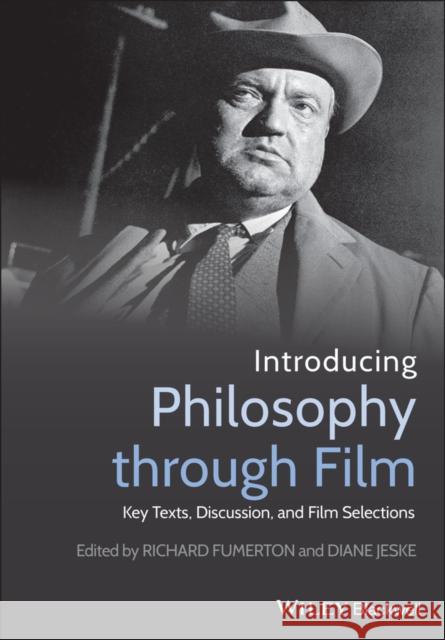
Introducing Philosophy Through Film Fumerton, Richard 9781405171014 Wiley-Blackwell - książkaWidoczna okładka, to zdjęcie poglądowe, a rzeczywista szata graficzna może różnić się od prezentowanej.

Introducing Philosophy Through Film

ISBN-13: 9781405171014 / Angielski / Miękka / 2009 / 640 str.

Richard A. Fumerton
cena 169,87
(netto: 161,78 VAT:  5%)

Najniższa cena z 30 dni: 167,45
Termin realizacji zamówienia:
ok. 30 dni roboczych.

Darmowa dostawa!
inne wydania

Philosophy Through Film offers a uniquely engaging and effective approach to introductory philosophy by combining an anthology of classical and contemporary philosophical readings with a discussion of philosophical concepts illustrated in popular films.

  • Pairs 50 classical and contemporary readings with popular films - from Monty Python and The Matrix to Casablanca and A Clockwork Orange
  • Addresses key areas in philosophy, including topics in ethics, philosophy of religion, philosophy of mind, free will and determinism, the problem of perception, and philosophy of time
  • Each unit begins with an extensive introduction by the editors and ends with study questions linking readings to films
  • Features chapter by chapter discussion of clips from films that vividly illustrate the critical philosophical arguments and positions raised in the readings


Kategorie:
Nauka, Filozofia
Kategorie BISAC:
Philosophy > History & Surveys - General
Wydawca:
Wiley-Blackwell
Język:
Angielski
ISBN-13:
9781405171014
Rok wydania:
2009
Ilość stron:
640
Waga:
1.10 kg
Wymiary:
24.59 x 17.2 x 3.33
Oprawa:
Miękka
Wolumenów:
01

Preface

Source Acknowledgments

Part I: Introduction: Philosophical Analysis, Argument, and the Relevance of Thought Experiments

Films: Monty Python, "The Argument Skit"; Pulp Fiction; Seinfeld episode: The

Soup

Part II: The Problem of Perception

Films: Total Recall; The Matrix; Star Trek TV episode: The Menagerie

Introduction

1. First Meditation and excerpt from Sixth Meditation: René Descartes

2. Some Further Considerations Concerning Our Simple Ideas of Sensation: John Locke

3. Three Dialogues Between Hylas and Philonous: George Berkeley

4. Of the Sceptical and Other Systems of Philosophy: David Hume

5. The Self and the Common World: A. J. Ayer

6. Brains in a Vat: Hilary Putnam

7. The Structure of Skeptical Arguments and its Metaepistemological Implications: Richard Fumerton

8. The Experience Machine: Robert Nozick

Part III: Philosophy of Mind

Films: What Dreams May Come; Bicentennial Man; Heaven Can Wait; The Sixth Day; The Prestige; Multiplicity; Star Trek TV episode: Turn About Intruder

Introduction

9. Second Meditation: René Descartes

10. Descartes Myth: Gilbert Ryle

11. Sensations and Brain Processes: J. J. C. Smart

12. What Is It Like to Be a Bat?: Thomas Nagel

13. What Mary Didn t Know: Frank Jackson

14. Minds, Brains, and Programs: John R. Searle

15. Mad Pain and Martian Pain: David Lewis

16. Eliminative Materialism: Paul Churchland

17. Of Identity and Diversity: John Locke

18. The Self and the Future: Bernard Williams

19. From Reasons and Persons: Derek Parfit

20. A Dialogue on Personal Identity and Immortality: John Perry

21. On the Immortality of the Soul: David Hume

Part IV: Ethics

A. Act Consequentialism and its Critics

Films: Abandon Ship!; Fail Safe; Dirty Harry; Sophie s Choice; Saving Private Ryan; Judgment at Nuremberg; Minority Report: 24 (Season 3: 6.00 7.00 a.m.); Titanic; Vertical Limit

Introduction

22. Utilitarianism: John Stuart Mill

23. Groundwork for the Metaphysics of Morals: Immanuel Kant

24. What Makes Right Acts Right?: W. D. Ross

25. A Critique of Utilitarianism: Bernard Williams

26. An Outline of a System of Utilitarian Ethics: J. J. C. Smart

27. Intending Harm: Shelly Kagan

28. United States v. Holmes (1842)

29. The Queen v Dudley and Stephens

30. War and Massacre: Thomas Nagel
B. Obligations to Intimates

Films: The English Patient; Casablanca; The Third Man; The Music Box; High Noon; Nick of Time; 24 (Season 1: 7.00 8.00 a.m.)

Introduction

31. From Nicomachean Ethics: Aristotle

32. Self and Others: C. D. Broad

33. Filial Morality: Christina Hoff Sommers

34. Alienation, Consequentialism, and the Demands of Morality: Peter Railton

35. Relatives and Relativism: Diane Jeske and Richard Fumerton

36. Families, Friends, and Special Obligations: Diane Jeske

37. An Ethic of Caring: Nel Noddings

Part V: Philosophy of Time

Films: Somewhere in Time; Back to the Future; Planet of the Apes; Frequency;

A Sound of Thunder

Introduction

38. Making Things to 39. Space and Time: Richard Taylor

40. The Paradoxes of Time Travel: David Lewis

Part VI: Free Will, Foreknowledge, and Determinism

Films: Minority Report: The Boys From Brazil: A Clockwork Orange: The Omen: Compulsion: Law and Order ("black rage" defense), Season 5, Episode 69414, Rage (2/01/95)

Introduction

41. From De Interpretatione: Aristotle

42. Of Liberty and Necessity: David Hume

43. Meaning and Free Will: John Hospers

44. Determinism: J. R. Lucas

45. Freedom of the Will and the Concept of a Person: Harry G. Frankfurt

46. The M Naghten Rules (1843): House of Lords

47. The Insanity Defense (1956): The American Law Institute

48. What Is So Special About Mental Illness?: Joel Feinberg

Part VII: Philosophy of Religion

Films: Jason and the Argonauts; Star Trek V: The Final Frontier; Dogma; YouTube: Mr Deity and the Evil

Introduction

49. The Wager: Blaise Pascal

50. The Ontological Argument: Anselm

51. The Cosmological and Design Arguments: William L. Rowe

52. Evil and Omnipotence: J. L. Mackie

53. Why I Am Not a Christian: Bertrand Russell

Richard Fumerton is the F. Wendell Miller Professor of Philosophy at the University of Iowa. He is the author of Metaphysical and Epistemological Problems of Perception (1985), Reason and Morality: A Defense of the Egocentric Perspective (1990), Metaepistemology and Skepticism (1995), Realism and the Correspondence Theory of Truth (2002), Epistemology (Blackwell, 2005), and Mill (with Wendy Donner, Wiley–Blackwell, 2009). His present teaching and research interests include epistemology, metaphysics, and value theory.

Diane Jeske is Associate Professor of Philosophy at the University of Iowa. Her teaching and research interests include ethics, political philosophy, and philosophy of law. She is the author of Rationality and Moral Theory: How Intimacy Generates Reasons (2008).

From Monty Python and The Matrix to Casablanca and A Clockwork Orange, popular films offer surprisingly perceptive insights into complex philosophical concepts. Introducing Philosophy Through Film combines this novel pedagogical approach with all the virtues of a serious introductory anthology of classical and contemporary philosophical readings. The result is an engaging and effective way to fire the imagination of those new to philosophy. Drawing on a wide range of popular and easily accessible films along with the ideas of a diverse selection of historical and contemporary thinkers this book introduces many of the central areas of philosophical concern, including perception, philosophy of mind, ethics, religion, free will, determinism, and more. Chapter by chapter, the editors offer a discussion of relevant film clips to help illuminate and demystify the philosophical arguments and positions raised in the anthology′s readings.

By merging the cinematic and philosophical worlds, Introducing Philosophy Through Film provides a uniquely effective way for beginning students to engage with philosophy and gain insights into the human mind.

Fumerton, Richard A. Richard Fumerton is F. Wendell Miller Professor of... więcej >


Udostępnij

Facebook - konto krainaksiazek.pl


Opinie o Krainaksiazek.pl na Opineo.pl

Partner Mybenefit

Krainaksiazek.pl w programie rzetelna firma Krainaksiaze.pl - płatności przez paypal

Czytaj nas na:

Facebook - krainaksiazek.pl
  • książki na zamówienie
  • granty
  • książka na prezent
  • kontakt
  • pomoc
  • opinie
  • regulamin
  • polityka prywatności

Zobacz:

  • Księgarnia czeska

  • Wydawnictwo Książkowe Klimaty

1997-2026 DolnySlask.com Agencja Internetowa

© 1997-2022 krainaksiazek.pl
     
KONTAKT | REGULAMIN | POLITYKA PRYWATNOŚCI | USTAWIENIA PRYWATNOŚCI
Zobacz: Księgarnia Czeska | Wydawnictwo Książkowe Klimaty | Mapa strony | Lista autorów
KrainaKsiazek.PL - Księgarnia Internetowa

Polityka prywatnosci - link
Krainaksiazek.pl - płatnośc Przelewy24
Przechowalnia Przechowalnia







