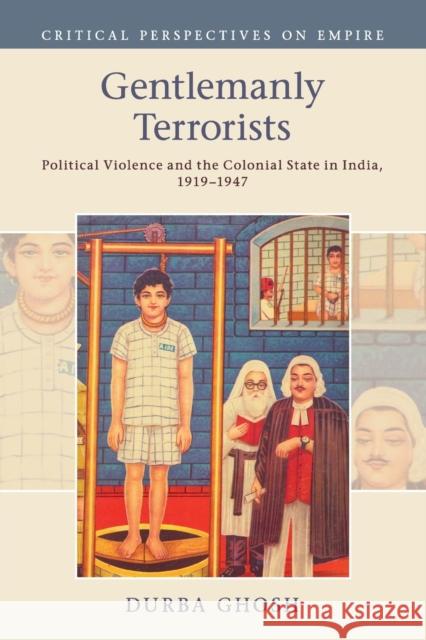
'It is in some ways a very traditional history. While making excellent use of revolutionary memoirs and testimonies, reinforced by some graphic contemporary illustrations and figures, the book's central argument is grounded in evidence gleaned from official correspondence, police intelligence files, and private papers … However Ghosh departs from precedent in her meticulous and harrowing documentation of the legal and physical instruments of colonial repression such as the Bengal Criminal Law Amendment Acts of 1925 and 1930 … she also provides a clear-sighted exposé of the deceit that lay behind the government's promise of eventual dominion status. Yet as the book's conclusion reminds us, much of this panoply of state repression was imported into the governing fabric of the republic, raising the question of how much really changed with the coming of freedom.' Ian Copland, The American Historical Review
Introduction; 1. The reforms of 1919: Montagu-Chelmsford, the Rowlatt Act, Jails Commission, and the Royal Amnesty; 2. The history of revolutionary terrorism through autobiography; 3. After Chauri Chaura: the revival and repression of revolutionary terrorism; 4. After the Chittagong Armoury Raid: revolutionary terrorism in the 1930s; 5. From political prisoner to security prisoner; 6. Revolutionary autobiographies: postcolonial tellings of nationalist history; Conclusion.