• Wyszukiwanie zaawansowane
  • Kategorie
  • Kategorie BISAC
  • Książki na zamówienie
  • Promocje
  • Granty
  • Książka na prezent
  • Opinie
  • Pomoc
  • Załóż konto
  • Zaloguj się

Philosophy of Religion: The Basics » książka

zaloguj się | załóż konto
Logo Krainaksiazek.pl

koszyk

konto

szukaj
topmenu
Księgarnia internetowa
Szukaj
Książki na zamówienie
Promocje
Granty
Książka na prezent
Moje konto
Pomoc
 
 
Wyszukiwanie zaawansowane
Pusty koszyk
Bezpłatna dostawa dla zamówień powyżej 20 złBezpłatna dostawa dla zamówień powyżej 20 zł

Kategorie główne

• Nauka
 [2946912]
• Literatura piękna
 [1852311]

  więcej...
• Turystyka
 [71421]
• Informatyka
 [150889]
• Komiksy
 [35717]
• Encyklopedie
 [23177]
• Dziecięca
 [617324]
• Hobby
 [138808]
• AudioBooki
 [1671]
• Literatura faktu
 [228371]
• Muzyka CD
 [400]
• Słowniki
 [2841]
• Inne
 [445428]
• Kalendarze
 [1545]
• Podręczniki
 [166819]
• Poradniki
 [480180]
• Religia
 [510412]
• Czasopisma
 [525]
• Sport
 [61271]
• Sztuka
 [242929]
• CD, DVD, Video
 [3371]
• Technologie
 [219258]
• Zdrowie
 [100961]
• Książkowe Klimaty
 [124]
• Zabawki
 [2341]
• Puzzle, gry
 [3766]
• Literatura w języku ukraińskim
 [255]
• Art. papiernicze i szkolne
 [7810]
Kategorie szczegółowe BISAC

Philosophy of Religion: The Basics

ISBN-13: 9781118619575 / Angielski / Twarda / 2013 / 224 str.
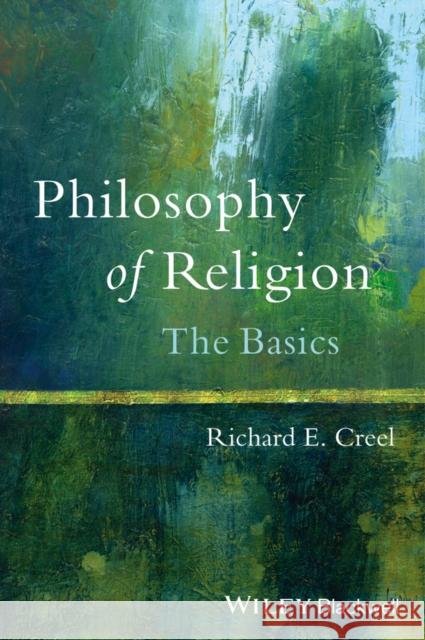
Richard E. Creel
Philosophy of Religion: The Basics Creel, Richard E. 9781118619575 John Wiley & Sons - książkaWidoczna okładka, to zdjęcie poglądowe, a rzeczywista szata graficzna może różnić się od prezentowanej.

Philosophy of Religion: The Basics

ISBN-13: 9781118619575 / Angielski / Twarda / 2013 / 224 str.

Richard E. Creel
cena 459,02
(netto: 437,16 VAT:  5%)

Najniższa cena z 30 dni: 457,13
Termin realizacji zamówienia:
ok. 30 dni roboczych
Bez gwarancji dostawy przed świętami

Darmowa dostawa!

Philosophy of Religion: The Basics offers a concise introduction to philosophy of religion, distilling key discussions and concepts of the subject to their succinct essence, providing a truly accessible entry into the subject.


  • A truly accessible introduction to philosophy of religion for beginners
  • Takes a topical approach, starting with the nature of religion and moving the reader through the major concepts, explaining how topics connect and point to one another
  • Offers a thorough and full treatment of diverse conceptions of God, the ontological argument, and divine attributes and dilemmas
  • A genuinely concise introduction, this text can be used alongside other resources without overtaxing students
  • Represents 30 years of experience teaching to undergraduates
  • Includes a free downloadable file with key excerpts and additions to help students study

Philosophy of Religion: The Basics offers a concise introduction to philosophy of religion, distilling key discussions and concepts of the subject to their succinct essence, providing a truly accessible entry into the subject.

Kategorie:
Nauka, Filozofia
Kategorie BISAC:
Philosophy > Religious
Religion > General
Wydawca:
John Wiley & Sons
Język:
Angielski
ISBN-13:
9781118619575
Rok wydania:
2013
Ilość stron:
224
Waga:
0.44 kg
Wymiary:
23.8 x 16.2 x 1.6
Oprawa:
Twarda
Wolumenów:
01
Dodatkowe informacje:
Bibliografia
Glosariusz/słownik

"This text covers all the major topics in the philosophy of religion. It is clearly written in a style that is attractive and easy to understand and it is constructed with maximum critical candor. A rare find."--William L. Power, The University of Georgia"Richard Creel provides an informative guide to standard topics in philosophy of religion that draws on his years of experience in teaching the subject. He writes in a conversational style that should appeal to beginning students and stimulate them to develop their own thinking on these issues."--David M. Holley, University of Southern Mississippi

Preface for Teachers xi

Acknowledgements xii

Introduction 1

1 What Is Religion? 6

1.1 Creed 6

1.2 Code 7

1.3 Cult 8

1.4 Community 9

1.5 Toward a Definition of Religion 11

1.6 Ze, Zer, Mer 13

2 Six Conceptions of God 17

2.1 Experiential Sources of Concepts of God 17

2.2 Six Conceptions of God 21

2.3 Religious Naturalism 21

2.4 Pantheism 23

2.5 Panentheism (Process Theism) 25

2.6 Deism 28

2.7 Classical Biblical Theism is based on divine revelation 29

2.8 Classical Philosophical Theism 31

3 Divine Attributes and Dilemmas 34

3.1 What Is a Dilemma? 39

3.2 Ways to Respond to a Dilemma 40

3.3 Divine Attribute Dilemmas 41

3.4 Proposed Solutions to the Preceding Dilemmas 45

3.4.1 Unsurpassability 45

3.4.2 Omnipotence 46

3.4.3 Are Omnipotence and Omnibenevolence Incompatible? 47

3.4.4 Immutability and Personhood 48

3.4.5 Divine Omniscience and Human Freedom 49

3.5 Open Theism 53

4 Human Language and Talk about God 57

5 Arguments about the Existence of God 72

6 The Ontological Argument 77

6.1 Is Anselm s Argument Decisive? 82

6.2 A Version of Duns Scotus Ontological Argument 83

7 The Cosmological Arguments 88

7.1 The First Three of The Five Ways of Thomas Aquinas 89

7.2 Paul Edwards Infinite Regress Argument against the Cosmological Argument 92

7.2.1 Two Criticisms of Edwards 93

7.3 The Oscillatory Theory 93

7.3.1 Criticism of the Oscillatory Theory 94

7.4 The Kalam Cosmological Argument 95

8 The Teleological or Design Arguments 101

8.1 The Anthropic Principle 108

8.2 The Multiverse 109

9 God and Morality 118

9.1 Two Arguments from Morality for Belief in the Existence of God 118

9.2 The Relation of Morality to God 119

9.2.1 The Divine Command Theory 119

9.2.2 Theocentric Ethics 120

9.2.3 Natural Law Ethics 121

10 Religious Experience and Belief in God 128

10.1 The Principle of Credulity and the Rationality of Belief in God 128

10.2 Religious Experience as Evidence for the Existence of God 132

10.3 Toward a Cumulative Argument for God 134

11 Arguments against Belief in the Existence of God 137

11.1 Evidentialism and the Burden of Proof 137

11.2 Conceptual Arguments: Analysis of the Concept of God 138

11.2.1 The Argument from Meaninglessness 138

11.2.2 The Arguments from Incoherence and Self–Contradiction 138

11.3 Arguments from Science 139

11.3.1 The Natural Sciences: The Adequacy of Science 139

11.3.2 Criticisms of Naturalism 141

11.3.3 The Social Sciences: Religion and Emotion 142

11.4 The Problem of Divine Hiddenness 145

11.5 The Problem of Many Religions 147

12 The Problem of Evil 152

12.1 G.W. Leibniz (1646 1716) 153

12.2 The Logical Argument from Evil: Arthur Schopenhauer (1788 1860) 153

12.3 The Evidential Argument from Evil: Edward Madden, Peter Hare, William Rowe 153

12.3.1 Criticisms of Arguments from Evil against the Existence of God 154

12.4 Charles Hartshorne s Panentheist or Process Theodicy 156

13 God and Life after Death 164

13.1 Cessationism 165

13.2 Immortalism 167

13.3 Resurrectionism 170

13.4 Personal Identity and Continuity 173

14 Miracles, Revelation, and Prayer 179

14.1 Miracles 179

14.2 Revelation 182

14.3 Prayer 183

15 Rationality without Evidence 185

15.1 Pascal s Wager 185

15.2 Evidentialism vs. the Right to Believe 187

15.3 Fideism 188

15.3.1 Faith as Action or Leap 188

15.3.2 Faith as Passion or Gift 189

15.4 Agathism, Agatheism, and Religious Hope 190

Glossary 194

Biographical Notes 203

Index 209

Richard E. Creel taught Philosophy and Religion at Ithaca College, New York, for 30 years, during which time he served as Chair of his Department and President of the New York State Philosophical Association. Creel published numerous articles in philosophy journals and three books: Thinking Philosophically: An Introduction to Critical Reflection and Rational Dialogue (Blackwell, 2001), Divine Impassibility: An Essay in Philosophical Theology (1986), and Religion & Doubt: Toward a Faith of Your Own (1991, 1st edition 1977). After retirement, Creel was designated an Emeritus Professor for outstanding contributions.

Philosophy of Religion: The Basics offers a concise introduction to philosophy of religion, which condenses discussions and concepts of the subject to their succinct essence, providing a truly accessible entry into the subject.

The book captures the reader s attention and imagination with its unique clarity and conversational tone. The text has been organized to lead the reader logically from topic to topic, explaining how subjects connect and point to one another. A wide range of issues within the philosophy of religion is addressed, beginning with the nature and functions of religion, then moving to different conceptions of the nature of God, including atheistic concepts. Conceptual analysis and the nature of argumentation are foremost concerns throughout the book. Arguments are presented both for and against the existence of God and are developed against one another to ensure a good balance between pro and con arguments; no position goes unsupported or uncriticized. Additional chapters shed light on issues including life after death, miracles, God and morality, divine attributes and dilemmas, human language and talk about God, religious experience, and faith and rationality.

Creel, Richard E. Richard Creel is Professor of Philosophy and Relig... więcej >


Udostępnij

Facebook - konto krainaksiazek.pl


Opinie o Krainaksiazek.pl na Opineo.pl

Partner Mybenefit

Krainaksiazek.pl w programie rzetelna firma Krainaksiaze.pl - płatności przez paypal

Czytaj nas na:

Facebook - krainaksiazek.pl
  • książki na zamówienie
  • granty
  • książka na prezent
  • kontakt
  • pomoc
  • opinie
  • regulamin
  • polityka prywatności

Zobacz:

  • Księgarnia czeska

  • Wydawnictwo Książkowe Klimaty

1997-2025 DolnySlask.com Agencja Internetowa

© 1997-2022 krainaksiazek.pl
     
KONTAKT | REGULAMIN | POLITYKA PRYWATNOŚCI | USTAWIENIA PRYWATNOŚCI
Zobacz: Księgarnia Czeska | Wydawnictwo Książkowe Klimaty | Mapa strony | Lista autorów
KrainaKsiazek.PL - Księgarnia Internetowa

Polityka prywatnosci - link
Krainaksiazek.pl - płatnośc Przelewy24
Przechowalnia Przechowalnia




