• Wyszukiwanie zaawansowane
  • Kategorie
  • Kategorie BISAC
  • Książki na zamówienie
  • Promocje
  • Granty
  • Książka na prezent
  • Opinie
  • Pomoc
  • Załóż konto
  • Zaloguj się

Mapping the Origins of Figurative Language in Comparative Literature » książka


zaloguj się | załóż konto
Logo Krainaksiazek.pl

koszyk

konto

szukaj
topmenu
Księgarnia internetowa
Szukaj
Książki na zamówienie
Promocje
Granty
Książka na prezent
Moje konto
Pomoc
 
 
Wyszukiwanie zaawansowane
Pusty koszyk
Bezpłatna dostawa dla zamówień powyżej 20 złBezpłatna dostawa dla zamówień powyżej 20 zł

Kategorie główne

• Nauka
 [2952079]
• Literatura piękna
 [1850969]

  więcej...
• Turystyka
 [71058]
• Informatyka
 [151066]
• Komiksy
 [35579]
• Encyklopedie
 [23181]
• Dziecięca
 [620496]
• Hobby
 [139036]
• AudioBooki
 [1646]
• Literatura faktu
 [228729]
• Muzyka CD
 [379]
• Słowniki
 [2932]
• Inne
 [445708]
• Kalendarze
 [1409]
• Podręczniki
 [164793]
• Poradniki
 [480107]
• Religia
 [510956]
• Czasopisma
 [511]
• Sport
 [61267]
• Sztuka
 [243299]
• CD, DVD, Video
 [3411]
• Technologie
 [219640]
• Zdrowie
 [100984]
• Książkowe Klimaty
 [124]
• Zabawki
 [2281]
• Puzzle, gry
 [3363]
• Literatura w języku ukraińskim
 [258]
• Art. papiernicze i szkolne
 [8020]
Kategorie szczegółowe BISAC

Mapping the Origins of Figurative Language in Comparative Literature

ISBN-13: 9781032140520 / Angielski
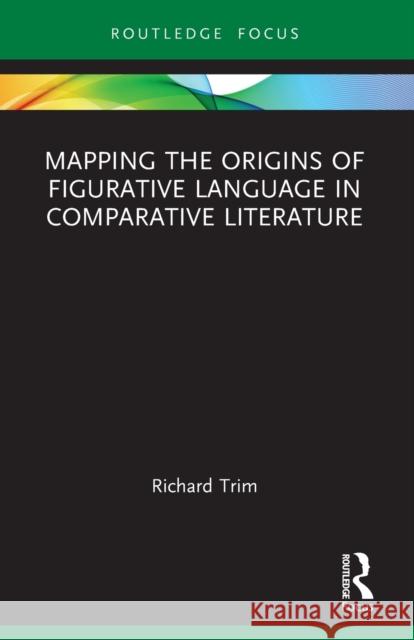
Richard Trim
Mapping the Origins of Figurative Language in Comparative Literature Richard Trim 9781032140520 Routledge - książkaWidoczna okładka, to zdjęcie poglądowe, a rzeczywista szata graficzna może różnić się od prezentowanej.

Mapping the Origins of Figurative Language in Comparative Literature

ISBN-13: 9781032140520 / Angielski

Richard Trim
cena 107,26
(netto: 102,15 VAT:  5%)

Najniższa cena z 30 dni: 95,66
Termin realizacji zamówienia:
ok. 22 dni roboczych
Dostawa w 2026 r.

Darmowa dostawa!
inne wydania

This book investigates the origins of figurative language in literary discourse within a cognitive framework. It represents an interface between linguistics and literature and develops a 6-tier theoretical model which analyses the different factors contributing to the creation of figurative words and expressions. By examining features ranging from language structure to figurative thought, cultural history, reference, narrative and the personal experience of authors, it develops a global overview of the processes involved. Due to its particularly innovative characteristics in literature, the theme of death is explored in relation to universal concepts such as love and time. These aspects are discussed in the light of well-known authors in comparative literature such as D.H. Lawrence, Simone De Beauvoir, Hermann Hesse and Jorge Luis Borges. The origins can involve complex conceptual mappings in figures of speech such as metaphor and symbolism. They are often at the roots of an author’s personal desires or represent the search for answers to human existence. This approach offers a wide variety of new ideas and research possibilities for postgraduate and research students in modern languages, linguistics and literature. It would also be of interest to academic researchers in these disciplines as well as the general public who would like to delve deeper into the relevant fields.


This book investigates the origins of figurative language in literary discourse within a cognitive framework. It represents an interface between linguistics and literature and develops a 6-tier theoretical model which analyses the different factors contributing to the creation of figurative words and expressions.

By examining features ranging from language structure to figurative thought, cultural history, reference, narrative and the personal experience of authors, it develops a global overview of the processes involved. Due to its particularly innovative characteristics in literature, the theme of death is explored in relation to universal concepts such as love and time. These aspects are discussed in the light of well-known authors in comparative literature such as D.H. Lawrence, Simone De Beauvoir, Hermann Hesse and Jorge Luis Borges. The origins can involve complex conceptual mappings in figures of speech such as metaphor and symbolism. They are often at the roots of an author’s personal desires or represent the search for answers to human existence.

This approach offers a wide variety of new ideas and research possibilities for postgraduate and research students in modern languages, linguistics and literature. It would also be of interest to academic researchers in these disciplines as well as the general public who would like to delve deeper into the relevant fields.

Kategorie:
Nauka, Literaturoznawstwo
Kategorie BISAC:
Literary Criticism > Comparative Literature
Language Arts & Disciplines > Linguistics - Psycholinguistics
Philosophy > Language
Wydawca:
Routledge
Seria wydawnicza:
Routledge Focus on Literature
Język:
Angielski
ISBN-13:
9781032140520

"Using evidence from internationally known and appreciated poets and writers, Richard Trim offers a novel and powerful account of how figurative language, especially metaphor, emerges in literary texts. The 6-step process he outlines is the most complete investigation to date of the issue of why and how authors use particular metaphors in their works".

Professor Zoltán Kövecses, Loránd Eötvös University, Budapest, Hungary

  1. Towards a global model of figurative origins
    1. Conceptual mapping
    2. Overview of mappings in pandemic poetry
    3. Cultural versus universal features
    4. Linguistic structures
    5. Poetic licence

  2. Figurative creativity in language structure
    1. The power of figurative language
    2. Old and new words
    3. Composite structures
    4. Morpho-syntax and stylistic effects
    5. Neologisms

  3. Cross-language evidence for the limits of linguistic creation
    1. Linguistic relativity
    2. Translating language structures
    3. Language distance
    4. Innovative morphology
    5. Metaphor versus simile
    6. Dating translation
    7. Composite order and semantics
    8. Symbolic features

  4. Underlying figurative thought
    1. Cross-language imagery
    2. Cognitive theories
    3. Individual conceptualisation
    4. Cognitive linguistics
    5. Metaphor and symbol
    6. Cognitive and conflictual paradigms

  5. Tracing cultural history
    1. Diachronic conceptual networking
    2. Diachronic salience
    3. Historical origins of figurative words
    4. The love/death conceptual metaphor
    5. Understanding figurative language in Early Modern English

  6. Theories of reference in conceptual mapping
    1. Extra-linguistic reference
    2. Mental spaces
    3. Possible worlds and discourse worlds
    4. Reference in conceptual mappings
    5. Philosophy and reference
    6. Hidden reference theory
    7. Textual reference

  7. Textual reference in the form of narrative
    1. Variants of love
    2. Social attitudes in D.H. Lawrence
    3. Existentialism in Simone De Beauvoir
    4. Personal psychology in Hermann Hesse

  8. Personal biography in figurative language
    1. Narrative and personal biography
    2. "Distortion" of personal lives
    3. Criticism of biographical theories
    4. Autobiography and autofiction
    5. Individual biographies
    6. Symbolic influence in D.H. Lawrence
    7. The philosophical background to Simone De Beauvoir
    8. Freudian psychology in Hermann Hesse
    9. Real and non-real worlds

  9. Conceptualisation of the real world
    1. Time trajectories in literal meaning
    2. Multicultural conceptualisation of time and space
    3. Time and space in literary thought
    4. Conceptualisation and beliefs in Emily Dickinson

  10. The transformation of reality
    1. The Venezuelan poet Eugenio Montejo
    2. Transfigured time
    3. Time symbolism and language structure
    4. Switching between past and future
    5. New spatial forms
    6. Notions of real worlds

  11. Multiple conceptual mapping
    1. The symbolic notion of "The South" in Jorge Luis Borges
    2. The background to Borges’ life
    3. Narratological conceptual mappings
    4. Language-specific symbolism in Borges
    5. Fantasy and the defiance of death

  12. The overall picture

Richard Trim is Professor Emeritus in linguistics at the University of Toulon, France. His interest in the study of figurative language covers a wide variety of fields including historical linguistics, contrastive linguistics and translation with the analysis of corpora in both political and literary discourse. He has published widely in these different areas in the form of journal articles, the editing of conference proceedings, book reviews and monographs.


Trim, Richard RICHARD TRIM is Senior Lecturer in English Histori... więcej >


Udostępnij

Facebook - konto krainaksiazek.pl


Opinie o Krainaksiazek.pl na Opineo.pl

Partner Mybenefit

Krainaksiazek.pl w programie rzetelna firma Krainaksiaze.pl - płatności przez paypal

Czytaj nas na:

Facebook - krainaksiazek.pl
  • książki na zamówienie
  • granty
  • książka na prezent
  • kontakt
  • pomoc
  • opinie
  • regulamin
  • polityka prywatności

Zobacz:

  • Księgarnia czeska

  • Wydawnictwo Książkowe Klimaty

1997-2025 DolnySlask.com Agencja Internetowa

© 1997-2022 krainaksiazek.pl
     
KONTAKT | REGULAMIN | POLITYKA PRYWATNOŚCI | USTAWIENIA PRYWATNOŚCI
Zobacz: Księgarnia Czeska | Wydawnictwo Książkowe Klimaty | Mapa strony | Lista autorów
KrainaKsiazek.PL - Księgarnia Internetowa

Polityka prywatnosci - link
Krainaksiazek.pl - płatnośc Przelewy24
Przechowalnia Przechowalnia




