Conducting Research in Conservation : Social Science Methods and Practice » książka





Conducting Research in Conservation : Social Science Methods and Practice
ISBN-13: 9780415457910 / Angielski / Twarda / 2010 / 400 str.
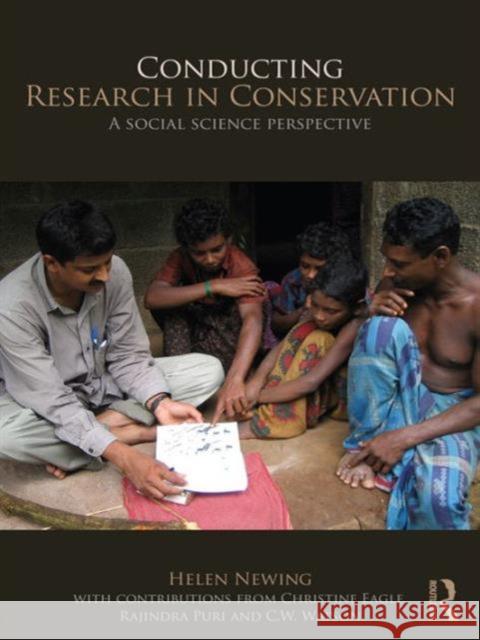
Conducting Research in Conservation is the first textbook on social science research methods written specifically for use in the expanding and increasingly multidisciplinary field of environmental conservation. The first section on planning a research project includes chapters on the need for social science research in conservation, defining a research topic, methodology, and sampling. Section two focuses on practical issues in carrying out fieldwork with local communities, from fieldwork preparation and data collection to the relationships between the researcher and the study community. Section three provides an in-depth focus on a range of social science methods including standard qualitative and quantitative methods such as participant observation, interviewing and questionnaires, and more advanced methods, such as ethnobiological methods for documenting local environmental knowledge and change, and participatory methods such as the PRA' toolbox. Section four then demonstrates how to analyze social science data qualitatively and quantitatively; and the final section outlines the writing-up process and what should happen after the end of the formal research project. This book is a comprehensive and accessible guide to social science research methods for students of conservation related subjects and practitioners trained in the natural sciences. It features practical worldwide examples of conservation-related research in different ecosystems such as forests; grasslands; marine and riverine systems; and farmland. Boxes provide definitions of key terms, practical tips, and brief narratives from students and practitioners describe the practical issues that they have faced in the field.
This is the first textbook on social science research methods written specifically for use in the expanding and increasingly multidisciplinary field of environmental conservation. It is targeted primarily at undergraduate students of conservation and related subjects, and provides a comprehensive, accessible guide to social science research methods for students with no prior knowledge of the social sciences. It will also be relevant for the many conservation postgraduates and practitioners who have trained in the natural sciences and need to develop skills in social science research.
The book is divided into five sections. The first section is on planning a research project and includes chapters on the need for social science research in conservation, selecting a research topic and developing a research design. Section II is on practical issues in carrying out fieldwork with local communities, including relationships between the researcher and the study community; ethical issues; and collecting and managing social science data in the field. Section III is the core of the book, and provides a detailed text on standard qualitative and quantitative social science methods, including participant observation, interviewing and questionnaires, and workshops. Section IV shows how to analyse social science data both qualitatively (coding, indexing) and quantitatively (simple descriptive statistics and inferential statistics up to and including multiple regression, factor analysis and cluster analysis). The final section outlines the writing-up process and then discusses what should happen after the end of the formal research project, especially in the context of applications in conservation policy and practice.
The book is illustrated throughout with practical examples of conservation-related research from different parts of the world (Europe, the Americas, Africa, Asia, Australia) and different ecosystems (forests, grasslands, desert, marine and riverine systems; also farmland and home gardens). In addition to examples in the text, it is intended to include a series of boxes with brief narratives from students and practitioners describing practical issues they have faced in the field
There are very few people who have expertise in both the natural and the social sciences, and this continues to be a constraint in the development of the discipline of conservation. The proposed book will be invaluable tool in the training of the next generation of conservation professionals.




Czytaj nas na:
KrainaKsiazek.PL - Księgarnia Internetowa


