Theology, Liberation and Genocide: A Theology of the Periphery » książka





Theology, Liberation and Genocide: A Theology of the Periphery
ISBN-13: 9780334041900 / Angielski / Miękka / 2009 / 162 str.
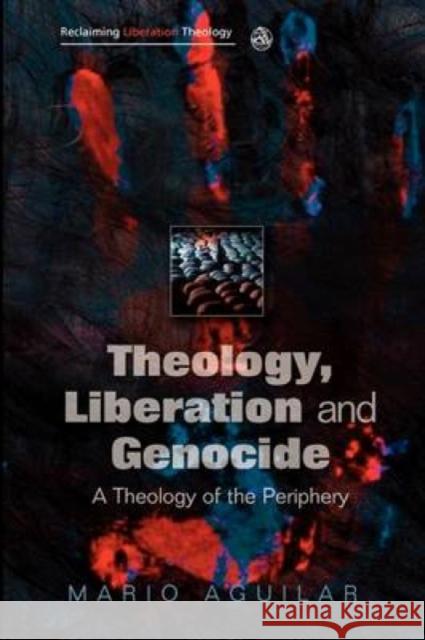
With the Rwandan genocide, Christianity was once again implicated in atrocity. In his latest work, Mario Aguilar contends that a prevailing ecclesiology and theology set the context for the genocidal evil unleashed. Drawing parallels with the political struggles in Latin America, Aguilar applies the lens of liberation theology and detects signs of God's reign returning in the iberating praxis of love at the peripheries of Rwandan life. This hope-filled book stems from Aguilar's conviction that liberation theology remains a necessary hermeneutical tool and force for transformational justice Julie Clague, Department of Theology and Religious Studies, University of Glasgow In exploring, probing, interrogating, the relationships between theology, liberation, and genocide, Mario I. Aguilar follows the path of his friend Marcella Althaus-Reid in analysing "what liberation theologians in Latin America, Africa or Asia have not done." For those of us who do our work in such places, we need read no further without our thoughts filling with a multitude of incomplete tasks in our liberation praxis. But for those of us in Africa, haunted as we by the recent genocide in Rwanda and the continuing genocide perpetrated by HIV and its accomplices, we must read further because we must now "theologize about an absent God or about the silence of God." While we should do this differently from those who have gone before us in Europe after Auschwitz, drawing from the realities and resources of our own African contexts, do this we must. And Aguilar shows us the way. Gerald West, School of Religion and Theology, University of KwaZulu-Natal, South Africa Theology, Liberation and Genocide explores the theological implications of genocide from the point of view of liberation theology. The issue of the mass extermination of people links Latin America and the genocide of indigenous peoples from 1492 to Rwanda and the killing of over one million people in 1994. Despite these links, the issue of genocide has not previously been explored by liberation theologians, and this volume attempts to deal with the issue of God's presence (or absence) within genocide in the context of Rwanda, a country in which the majority are Roman Catholics and in which the killings were not only perpetrated by soldiers, police or militia but also by neighbours, friends and relatives within the Rwandan communes. This theological book argues for the presence of God as victim within genocide rather than the absence of God. God was in Rwanda at the time of the genocide not only comforting her people but also as a victim, tortured and crucified as one of those victims. After the genocide God liberates, her essence, by providing hope and resurrection even in those terrible circumstances. Within this post-genocide theological reflection there is a post-genocidal divine presence in the unburied bones of the victims that speak of memory, of lives and of the lessons of the genocide. Mario Aguilar is Professor of Religion & Politics and Director of the Centre for the Study of Religion & Politics at St Mary's College in the University of St Andrews, Scotland
With the Rwandan genocide, Christianity was once again implicated in atrocity. In his latest work, Mario Aguilar contends that a prevailing ecclesiology and theology set the context for the genocidal evil unleashed. Drawing parallels with the political struggles in Latin America, Aguilar applies the lens of liberation theology and detects signs of Gods reign returning in the iberating praxis of love at the peripheries of Rwandan life. This hope-filled book stems from Aguilars conviction that liberation theology remains a necessary hermeneutical tool and force for transformational justice Julie Clague, Department of Theology and Religious Studies, University of GlasgowIn exploring, probing, interrogating, the relationships between theology, liberation, and genocide, Mario I. Aguilar follows the path of his friend Marcella Althaus-Reid in analysing "what liberation theologians in Latin America, Africa or Asia have not done". For those of us who do our work in such places, we need read no further without our thoughts filling with a multitude of incomplete tasks in our liberation praxis. But for those of us in Africa, haunted as we by the recent genocide in Rwanda and the continuing genocide perpetrated by HIV and its accomplices, we must read further because we must now "theologize about an absent God or about the silence of God". While we should do this differently from those who have gone before us in Europe after Auschwitz, drawing from the realities and resources of our own African contexts, do this we must. And Aguilar shows us the way.Gerald West, School of Religion and Theology, University of KwaZulu-Natal, South AfricaTheology, Liberation and Genocide explores the theological implications of genocide from the point of view of liberation theology. The issue of the mass extermination of people links Latin America and the genocide of indigenous peoples from 1492 to Rwanda and the killing of over one million people in 1994.Despite these links, the issue of genocide has not previously been explored by liberation theologians, and this volume attempts to deal with the issue of Gods presence (or absence) within genocide in the context of Rwanda, a country in which the majority are Roman Catholics and in which the killings were not only perpetrated by soldiers, police or militia but also by neighbours, friends and relatives within the Rwandan communes. This theological book argues for the presence of God as victim within genocide rather than the absence of God. God was in Rwanda at the time of the genocide not only comforting her people but also as a victim, tortured and crucified as one of those victims. After the genocide God liberates, her essence, by providing hope and resurrection evenin those terrible circumstances. Within this post-genocide theological reflection there is a post-genocidal divine presence in the unburied bones of the victims that speak of memory, of lives and of the lessons of the genocide.Mario Aguilar is Professor of Religion & Politics and Director of the Centre for the Study of Religion & Politics at St Marys College in the University of St Andrews, Scotland




Czytaj nas na:
KrainaKsiazek.PL - Księgarnia Internetowa


