• Wyszukiwanie zaawansowane
  • Kategorie
  • Kategorie BISAC
  • Książki na zamówienie
  • Promocje
  • Granty
  • Książka na prezent
  • Opinie
  • Pomoc
  • Załóż konto
  • Zaloguj się

101 Healing Stories: Using Metaphors in Therapy » książka


zaloguj się | załóż konto
Logo Krainaksiazek.pl

koszyk

konto

szukaj
topmenu
Księgarnia internetowa
Szukaj
Książki na zamówienie
Promocje
Granty
Książka na prezent
Moje konto
Pomoc
 
 
Wyszukiwanie zaawansowane
Pusty koszyk
Bezpłatna dostawa dla zamówień powyżej 20 złBezpłatna dostawa dla zamówień powyżej 20 zł

Kategorie główne

• Nauka
 [2949965]
• Literatura piękna
 [1857847]

  więcej...
• Turystyka
 [70818]
• Informatyka
 [151303]
• Komiksy
 [35733]
• Encyklopedie
 [23180]
• Dziecięca
 [617748]
• Hobby
 [139972]
• AudioBooki
 [1650]
• Literatura faktu
 [228361]
• Muzyka CD
 [398]
• Słowniki
 [2862]
• Inne
 [444732]
• Kalendarze
 [1620]
• Podręczniki
 [167233]
• Poradniki
 [482388]
• Religia
 [509867]
• Czasopisma
 [533]
• Sport
 [61361]
• Sztuka
 [243125]
• CD, DVD, Video
 [3451]
• Technologie
 [219309]
• Zdrowie
 [101347]
• Książkowe Klimaty
 [123]
• Zabawki
 [2362]
• Puzzle, gry
 [3791]
• Literatura w języku ukraińskim
 [253]
• Art. papiernicze i szkolne
 [7933]
Kategorie szczegółowe BISAC

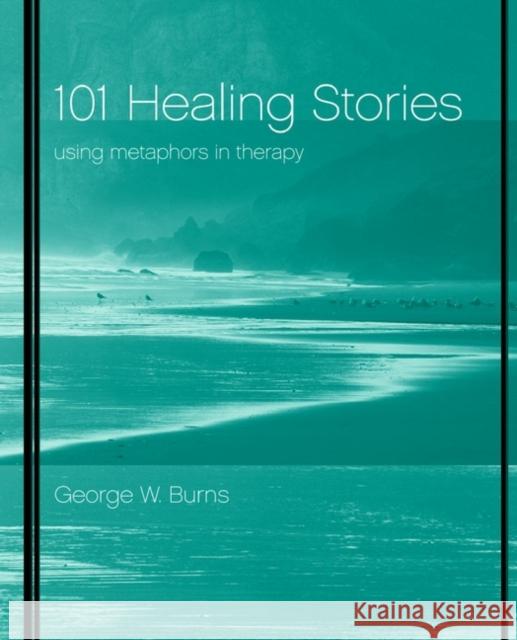
101 Healing Stories: Using Metaphors in Therapy

ISBN-13: 9780471395898 / Angielski / Miękka / 2001 / 288 str.
Ph.D. Michael D. Yapko; George W. Burns
101 Healing Stories: Using Metaphors in Therapy Yapko, Michael D. 9780471395898 John Wiley & Sons - książkaWidoczna okładka, to zdjęcie poglądowe, a rzeczywista szata graficzna może różnić się od prezentowanej.

101 Healing Stories: Using Metaphors in Therapy

ISBN-13: 9780471395898 / Angielski / Miękka / 2001 / 288 str.

Ph.D. Michael D. Yapko; George W. Burns
cena 286,69
(netto: 273,04 VAT:  5%)

Najniższa cena z 30 dni: 284,34
Termin realizacji zamówienia:
ok. 30 dni roboczych
Bez gwarancji dostawy przed świętami

Darmowa dostawa!

Using folktales and other metaphoric stories can aid the healing process

Just as stories have the power to enrich our lives, shape the way we perceive and interact with the world, and reveal the wonders of the human spirit, so too can they play an important and potent role in therapy-helping people develop the skills to cope with and survive a myriad of life situations. 101 Healing Stories celebrates the rewards of using parables, fables, and metaphors in therapy as a nonthreatening means to help clients discuss problems and consider possible solutions.

George W. Burns examines the healing value of using metaphors in therapy and provides 101 inspirational story ideas that therapists can adapt to share with clients for effecting change. He explains how to tell stories that engage the client, how to make them metaphoric, and where to find sources for such tales. Burns also shows readers how to build stories from personal experiences or their own imagination to use in session, making this thoughtful book an especially creative therapeutic tool.

Contains 101 stories grouped by desired therapeutic outcome, highlighting each story's applicability to a variety of presenting problems

Offers talking points for therapists such as speci?c insights, outcomes, or skills that are illustrated by the stories

Features shaded tabs that index stories by therapeutic outcome for easy reference and selection

Kategorie:
Nauka, Psychologia
Kategorie BISAC:
Psychology > Psychotherapy - Counseling
Psychology > Psychopathology - Compulsive Behavior
Psychology > Psychotherapy - General
Wydawca:
John Wiley & Sons
Język:
Angielski
ISBN-13:
9780471395898
Rok wydania:
2001
Ilość stron:
288
Waga:
0.49 kg
Wymiary:
23.47 x 18.95 x 1.75
Oprawa:
Miękka
Wolumenów:
01
Dodatkowe informacje:
Bibliografia
Wydanie ilustrowane

"George Burns′ 101 Healing Stories: Using metaphors in Therapy will reignite the spirit that can enhance everyone′s commitment to help people help themselves."

"For anyone planning (or even considering) the implementation of metaphors in healing, this book is a must–read. It provides a comprehensive look at the topic –– in a very user friendly style." (Brian Alman, Ph.D., author of The Six Steps To Freedom, Self–Hypnosis, and Thin Meditations

I was captivated by this book from the Introduction to the final page. George Burns is a rarity. He is not only a master storyteller, he is able to do what few artists blessed with a disciplined genius can do. He can describe what he did and why he did it.
This book is like taking a master course in metaphor and therapeutic storytelling, complete with suggested exercises to individualize and expand the learning. The format of the book follows the traditional teaching model that makes learning easier: Tell what you are going to do, do it, then describe what you did. The book is divided into three parts: [An overview of ] Metaphor Therapy, Healing Stories, and Creating Your Own Metaphors.
Since I supervise and teach students and interns and conduct workshops for licensed mental health professionals, I decided to take the book out for a "test drive" and used this book as the core of my training for a semester.
I started with the format found in the introduction. Unlike most books, I found the Introduction section crucial to the reading of 101 Healing Stories. It outlines not only how one was to use the book, but how to approach the creation, development, and presentation of therapeutic stories. In my class, this outline was invaluable for those students who found the task of therapeutic metaphor initially daunting. It outlined the process they were about to experience in small, reasonable, easily understood steps. It also reminded the more seasoned therapists of Erickson′s admonition of the need to create metaphors for the individual client, rather than just apply a predetermined intervention to a diagnostic category. In that same way, the Introduction presents an open mindset for the reader to experience the stories as examples and stimuli rather than as stock stories to indiscriminately inject into clients.
Part One, Metaphor Therapy, presents the rationale and uses of storytelling. It succinctly lists Ten Guidelines for Effective Storytelling including Six Guidelines for the Storyteller′s Voice. These guidelines were very helpful for my beginning students and nice reminders that the more seasoned therapists could review.
Part Two, Healing Stories, contained ten examples each of ten general goals of Healing Stories: Enhancing Empowerment, Acquiring Acceptance, Reframing Negative Attitudes, Changing Patterns of Behavior, Learning from Experience, Attaining Goals, Cultivating Compassion, Developing Wisdom, Caring for yourself, and Enhancing Happiness. Each of the stories was preceded by an outline of its therapeutic characteristics: Problems Addressed, Resources Developed and Outcomes Offered. This format makes it easy to teach and to learn. By listing the therapeutic characteristics prior to telling the story and reviewing the therapeutic characteristics afterwards, the pattern of the development of therapeutic stories (described in Part three of the book) becomes evident. The stories themselves are delightful. They are filled with humor and insight.
Part Three is Creating Your Own Metaphors. It includes How to Do It and How Not to Do It and Using the PRO–Approach to Create Your Own Healing Stories. These sections are a structured review of what is intuitively suggested in Part Two. I found this very useful in translating the intuitive feelings that were stimulated by the story formats into concrete story–making skills. The students were able to follow the suggestions and easily generated their own stories. Part Three ends with Story 101. This is a wonderful story that is worth the price of the book. It combines the essence of Erickson with the heat of Burns.
The book concludes with a significant list of References And Professional Literature On Metaphors. These include folktales, cross–cultural myths, legends, stories for children, religious and spiritual stories, videotapes and internet websites. This section reminded me of Erickson′s observation that it was well and good for a therapist to trust his unconscious, but the unconscious needs to be fed regularly. Burns truly provides more than enough nutrition to keep the unconscious well fed.
My test ride of the book was a resounding success. Both the beginning students and seasoned therapists loved the content and format of 101 Healing Stories. They found it easy to understand, entertaining and they were able to create their own stories that heal. If you want to develop your storytelling skills to the level of an art, I can recommend no finer book. And, it is a good read!! (Review by Richard Landis)

"George W. Burns is indeed a master in the art of using stories for healing purposes." (Metapsychology Review, January 2003)

Foreword By Michael D. Yapko, PhD.

Introduction.

The Importance of Stories.

METAPHOR THERAPY.

The Power of Stories.

Effective Storytelling.

Stories in Therapy.

HEALING STORIES.

Enhancing Empowerment.

Acquiring Acceptance.

Reframing Negative Attitudes.

Changing Patterns of Behavior.

Learning from Experience.

Attaining Goals.

Cultivating Compassion.

Developing Wisdom.

Caring For Yourself.

Enhancing Happiness.

CREATING YOUR OWN METAPHORS.

How To Do It and How Not To Do It.

Using The PRO–Approach to Create Your Own Healing Stories.

Why Do You Teach in Stories?

Resources.

Index.

GEORGE W. BURNS is a clinical psychologist and Director of the Milton H. Erickson Institute of Western Australia. He is also a trainer of therapists and the author of Nature–Guided Therapy: Brief, Integrative Strategies for Health and Well–Being.

Using folktales and other metaphoric stories can aid the healing process

Just as stories have the power to enrich our lives, shape the way we perceive and interact with the world, and reveal the wonders of the human spirit, so too can they play an important and potent role in therapy helping people develop the skills to cope with and survive a myriad of life situations. 101 Healing Stories celebrates the rewards of using parables, fables, and metaphors in therapy as a nonthreatening means to help clients discuss problems and consider possible solutions.

George W. Burns examines the healing value of using metaphors in therapy and provides 101 inspirational story ideas that therapists can adapt to share with clients for effecting change. He explains how to tell stories that engage the client, how to make them metaphoric, and where to find sources for such tales. Burns also shows readers how to build stories from personal experiences or their own imagination to use in session, making this thoughtful book an especially creative therapeutic tool.

Contains 101 stories grouped by desired therapeutic outcome, highlighting each story’s applicability to a variety of presenting problems

Offers talking points for therapists such as speciÞc insights, outcomes, or skills that are illustrated by the stories

Features shaded tabs that index stories by therapeutic outcome for easy reference and selection

Yapko, Michael D., Ph.D. <div><b>Michael D. Yapko, Ph.D., </... więcej >
Burns, George W. George W. Burns is an internationally recognized c... więcej >


Udostępnij

Facebook - konto krainaksiazek.pl


Opinie o Krainaksiazek.pl na Opineo.pl

Partner Mybenefit

Krainaksiazek.pl w programie rzetelna firma Krainaksiaze.pl - płatności przez paypal

Czytaj nas na:

Facebook - krainaksiazek.pl
  • książki na zamówienie
  • granty
  • książka na prezent
  • kontakt
  • pomoc
  • opinie
  • regulamin
  • polityka prywatności

Zobacz:

  • Księgarnia czeska

  • Wydawnictwo Książkowe Klimaty

1997-2025 DolnySlask.com Agencja Internetowa

© 1997-2022 krainaksiazek.pl
     
KONTAKT | REGULAMIN | POLITYKA PRYWATNOŚCI | USTAWIENIA PRYWATNOŚCI
Zobacz: Księgarnia Czeska | Wydawnictwo Książkowe Klimaty | Mapa strony | Lista autorów
KrainaKsiazek.PL - Księgarnia Internetowa

Polityka prywatnosci - link
Krainaksiazek.pl - płatnośc Przelewy24
Przechowalnia Przechowalnia






