The Ethics of Vulnerability: A Feminist Analysis of Social Life and Practice » książka





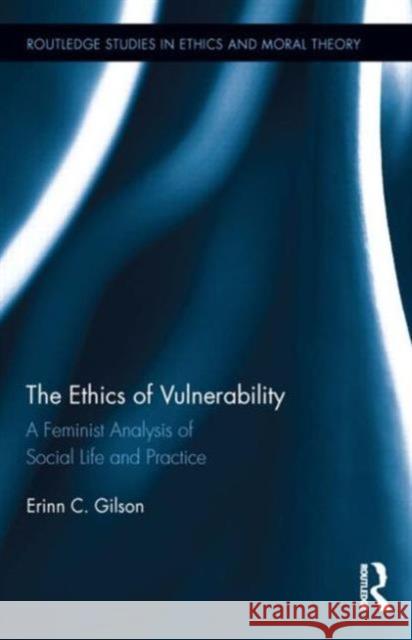
The Ethics of Vulnerability: A Feminist Analysis of Social Life and Practice
ISBN-13: 9780415656139 / Angielski / Twarda / 2014 / 202 str.
The Ethics of Vulnerability: A Feminist Analysis of Social Life and Practice
ISBN-13: 9780415656139 / Angielski / Twarda / 2014 / 202 str.
(netto: 698,25 VAT: 5%)
Najniższa cena z 30 dni: 724,19 zł
ok. 22 dni roboczych
Bez gwarancji dostawy przed świętami
Darmowa dostawa!
As concerns about violence, war, terrorism, and the definition of life have garnered attention in philosophy, the concept of vulnerability has become a shared reference point in these discussions. Vulnerability is emphasized not just because it is a fundamental part of the human condition, but also because it is regarded as having significant ethical import. Yet, very little attention is paid to how we think, talk, and feel about vulnerability and even less theoretical effort has been devoted to elaborating a genuine concept of vulnerability. The main problem with common presumptions about vulnerability is that they are almost exclusively negative, equating the state with weakness, dependency, powerlessness, deficiency, and passivity.
This book provides a systematic account of the ethics of vulnerability, critiquing this reductively negative view, demonstrating how its persistence prevents vulnerability from possessing the normative value many theorists wish it to have, and articulating in instead a richer, more nuanced theory. Gilson then applies this account to the debates over pornography in feminism, thus showing its value for fraught ethical and political issues.




Czytaj nas na:
KrainaKsiazek.PL - Księgarnia Internetowa


