Persian Vernacular Architecture: Lessons from Master Builders of Iran on Climate Resilient Design » książka





Persian Vernacular Architecture: Lessons from Master Builders of Iran on Climate Resilient Design
ISBN-13: 9789819611157 / Angielski / Twarda / 2025 / 336 str.
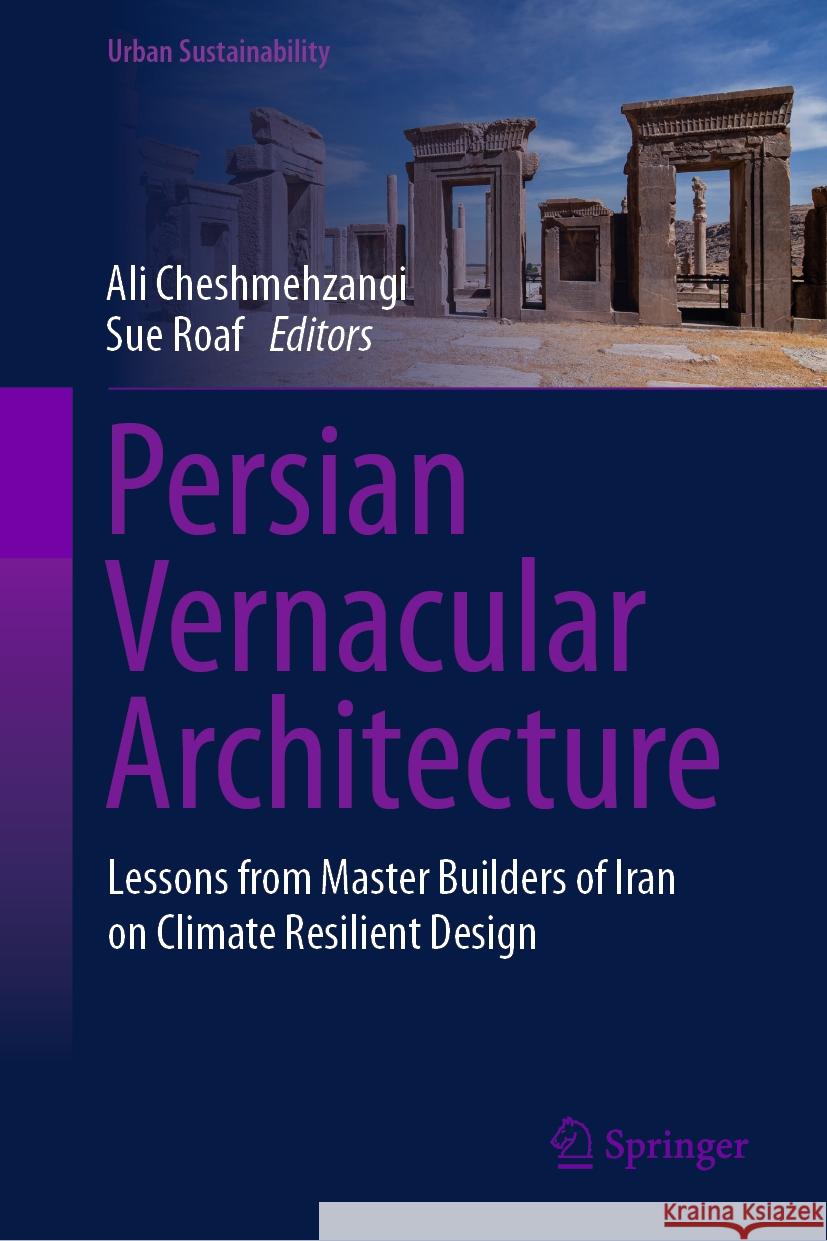
This timely book aims to address a significant challenge in contemporary design and architecture, i.e., “to learn from the vernacular”. Vernacular architecture refers to traditional and indigenous building styles that have evolved in response to local climate, materials, and cultural practices. These styles often embody 'extreme' design principles, as they support life without relying on modern mechanical systems for heating and cooling. The core premise of the book is that these time-tested design solutions offer valuable lessons for real sustainable and climate-resilient architecture today. We strongly urge a return to the vernacular as a source of inspiration and knowledge. Hence, a genuine dedication to dedicated Ostads or master builders of Iran, who have contributed extensively to making and co-creating climate-resilient architecture and climate-sensitive design. This is more than just a box-ticking sustainability exercise and delves more deeply into the building performance and its impact on our everyday life, our health and wellbeing, and us as human beings. The book posits that contemporary architects and designers can learn valuable lessons by studying the adaptive strategies and sustainable practices embedded in the traditional vernacular architecture of Iran. These lessons are crucial for addressing modern challenges such as climate change, resource scarcity, and the need for energy-efficient buildings. By revisiting and analysing vernacular architecture, the book aims to bridge the gap between traditional knowledge and contemporary design practices. It provides a comprehensive exploration of how vernacular principles can be integrated into modern architectural education and practice. The goal is not only to preserve traditional wisdom but also to innovate upon it, creating buildings that are both culturally relevant and environmentally sustainable. The contributing case study chapters of the book include an excellent range of practical recommendations for architects, researchers, and policymakers. By fostering a deeper understanding of vernacular architecture, the book seeks to inspire a new generation of architects to create buildings that are harmonious with their environment and resilient to future challenges. Through this approach, we believe lessons from vernacular buildings ought to offer the promise of reintegrating real Resilience into the design of the next generation of buildings.
This timely book aims to address a significant challenge in contemporary design and architecture, i.e., “to learn from the vernacular”. Vernacular architecture refers to traditional and indigenous building styles that have evolved in response to local climate, materials, and cultural practices. These styles often embody 'extreme' design principles, as they support life without relying on modern mechanical systems for heating and cooling. The core premise of the book is that these time-tested design solutions offer valuable lessons for real sustainable and climate-resilient architecture today. We strongly urge a return to the vernacular as a source of inspiration and knowledge. Hence, a genuine dedication to dedicated Ostads or master builders of Iran, who have contributed extensively to making and co-creating climate-resilient architecture and climate-sensitive design. This is more than just a box-ticking sustainability exercise and delves more deeply into the building performance and its impact on our everyday life, our health and wellbeing, and us as human beings. The book posits that contemporary architects and designers can learn valuable lessons by studying the adaptive strategies and sustainable practices embedded in the traditional vernacular architecture of Iran. These lessons are crucial for addressing modern challenges such as climate change, resource scarcity, and the need for energy-efficient buildings. By revisiting and analysing vernacular architecture, the book aims to bridge the gap between traditional knowledge and contemporary design practices. It provides a comprehensive exploration of how vernacular principles can be integrated into modern architectural education and practice. The goal is not only to preserve traditional wisdom but also to innovate upon it, creating buildings that are both culturally relevant and environmentally sustainable. The contributing case study chapters of the book include an excellent range of practical recommendations for architects, researchers, and policymakers. By fostering a deeper understanding of vernacular architecture, the book seeks to inspire a new generation of architects to create buildings that are harmonious with their environment and resilient to future challenges. Through this approach, we believe lessons from vernacular buildings ought to offer the promise of reintegrating real Resilience into the design of the next generation of buildings.




Czytaj nas na:
KrainaKsiazek.PL - Księgarnia Internetowa


